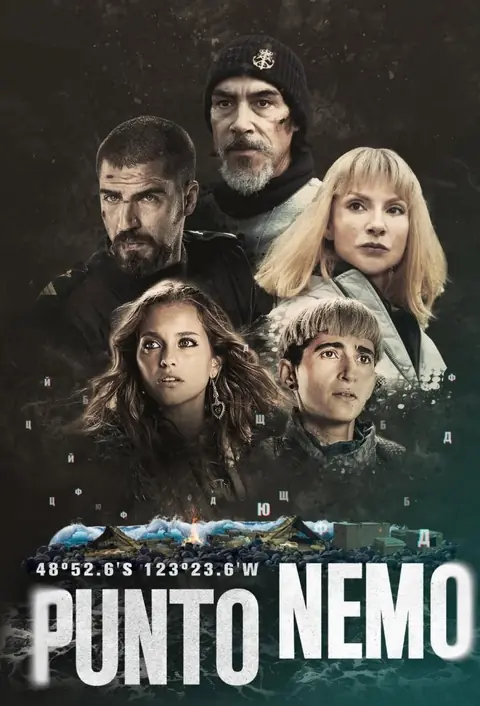
Punto Nemo
See the merch from Punto Nemo →
Members of an oceanographic expedition made up of scientists and the Spanish Navy embark on the Pentonkontors ship to investigate and raise awareness of the problems of the plastic island located in the South Pacific. It's time to get to grips with the situation and the freedom of the planet. It is important to know that your habitation for military personnel is good, so that you can prepare for your habitation and survival so that you can survive your daily life at Point Nemo. A place full of mysteries and lurking dangers.
Poster and metadata from TheTVDB. You can add anything missing or subscribe over there.
Merch
The whole shop →2 designs for this story


El Nautilus
-
11 oz and 15 oz
Punto Nemo Mug · El Nautilus
Delivery in 3-4 days · printed in the EU
26.95 € Buy Punto Nemo Mug · El Nautilus
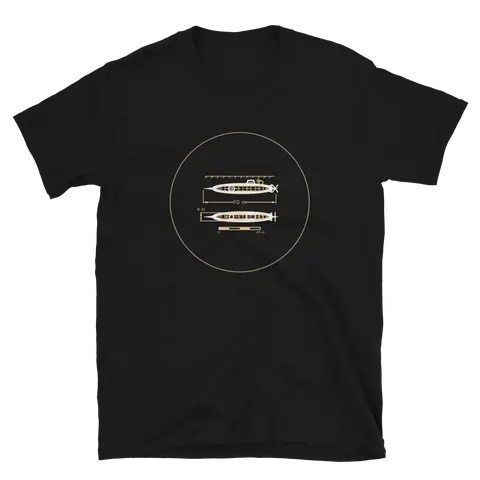
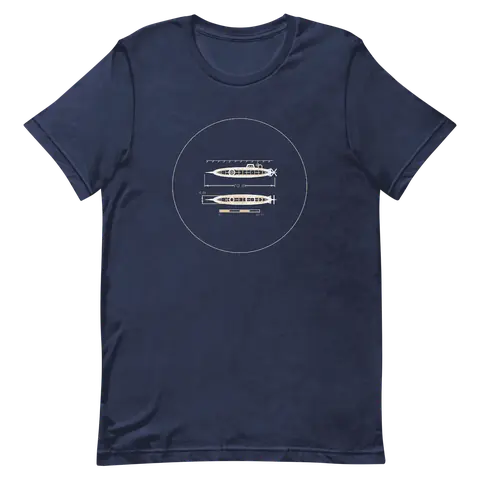
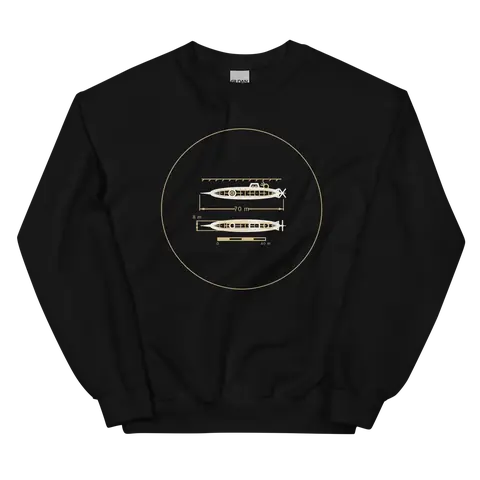
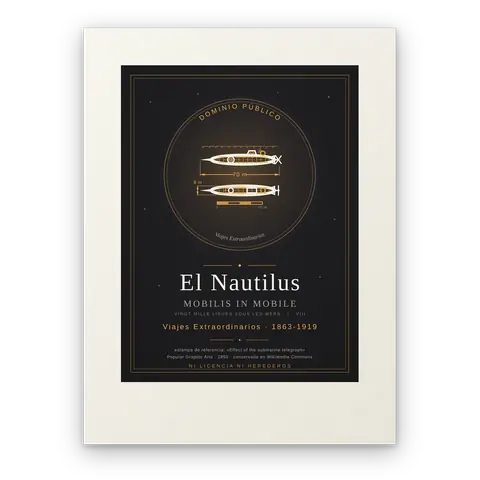
What it is made of
The source
Extraordinary Voyages
Submarine hulls seen in profile, smooth as a cigar, with the N and the motto ringed around it. Gas balloons with a wicker basket and the anchor dangling below, and flying machines carrying more propellers than will fit. And the octopus: suckered tentacles climbing up through a hatch, one enormous eye, a man clinging to a harpoon. All of it in the fine hatching of end-grain wood engraving, pure black on paper and no half tones.
Charts, Knots and Mutinies
Portolan charts on vellum, cut across by sheaves of rhumb lines, with the fleur-de-lis pinned to the north and a cross marking the east. Octants and sextants in ebony and brass: graduated limb, vernier, mirror on the axis and smoked glass shades swung down across the path of the light. And the vocabulary of the fo’c’sle: square two-colour flags, knotted rope, anchors, swallows, a pig and a cockerel, and HOLD FAST spread across eight knuckles.
The Footprint in the Sand
Survival kit drawn plainly, without ornament: the bare footprint in the sand, the notched post that keeps the tally of the days, the goatskin parasol with the hair turned outwards, the raft of barrels and planks, the double-staked palisade in front of the cave, and the map of the island. Alongside it, the plain vocabulary of shipwreck: the grounded hull, the drift, the signal on the beach. The source is the copper and wood engravings of the editions from 1719 to 1891, with their fine hatching and their hard black and white.
From the same source
-
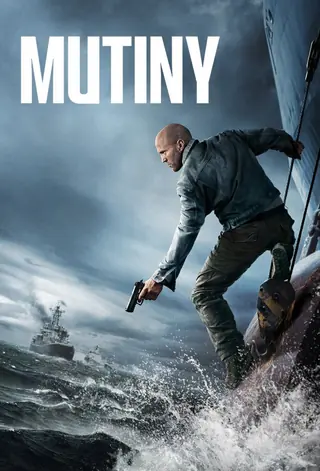 Film · 2026
El motín
-
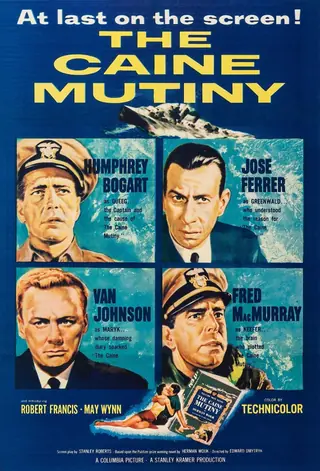 Film · 1954
El motín del Caine
-
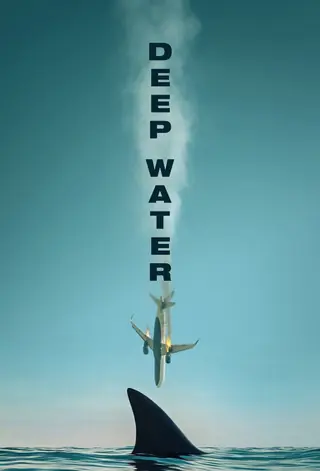 Film · 2026
En mar abierto
-
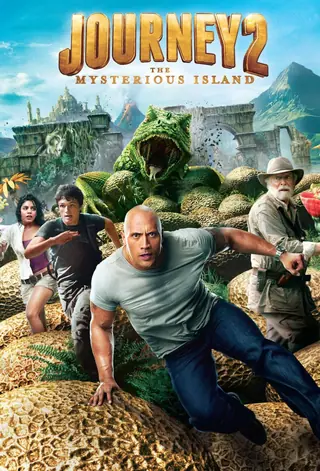 Film · 2012
Journey 2: The Mysterious Island
-
 Film · 1956
La vuelta al mundo en ochenta días
-
 Film · 2004
La vuelta al mundo en ochenta días