












A twenty-year contract and 4,216 engravings
In January 1863 the publisher Pierre-Jules Hetzel brought out Five Weeks in a Balloon and offered Verne a twenty-year contract. Verne walked away from the Paris Bourse and became the house author of a series Hetzel christened the Voyages extraordinaires: 54 novels between 1863 and 1905, plus eight posthumous ones up to 1919.
Hetzel did more than publish. He commissioned the illustrations from seventeen different artists and dropped one in every six or eight pages: 4,216 engravings in all, some sixty per novel. Édouard Riou (1833-1900), a pupil of Doré, took on Journey to the Centre of the Earth; Alphonse de Neuville (1835-1885) joined him for the 111 drawings in the illustrated edition of Twenty Thousand Leagues; Jules Férat (1819-1889) signed Michael Strogoff; Léon Benett (1839-1916), a tax inspector posted to Algeria, Cochinchina, Martinique and New Caledonia, illustrated twenty-five titles between 1873 and 1910, among them Around the World in Eighty Days. George Roux (1853-1929) closed out the series.
The wrapping mattered as much as the text. The gift volumes came in in-8 format (28×19 cm), bound in red percaline — blue, green or violet as well — with gilt stamping that booksellers still name one by one: the two elephants, the gilt globe, the silver banner, the acanthus leaf. They were Christmas presents.
The submarine Verne saw at a fair
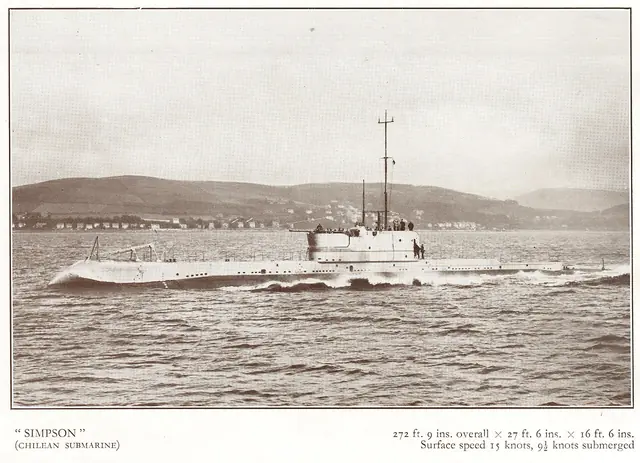
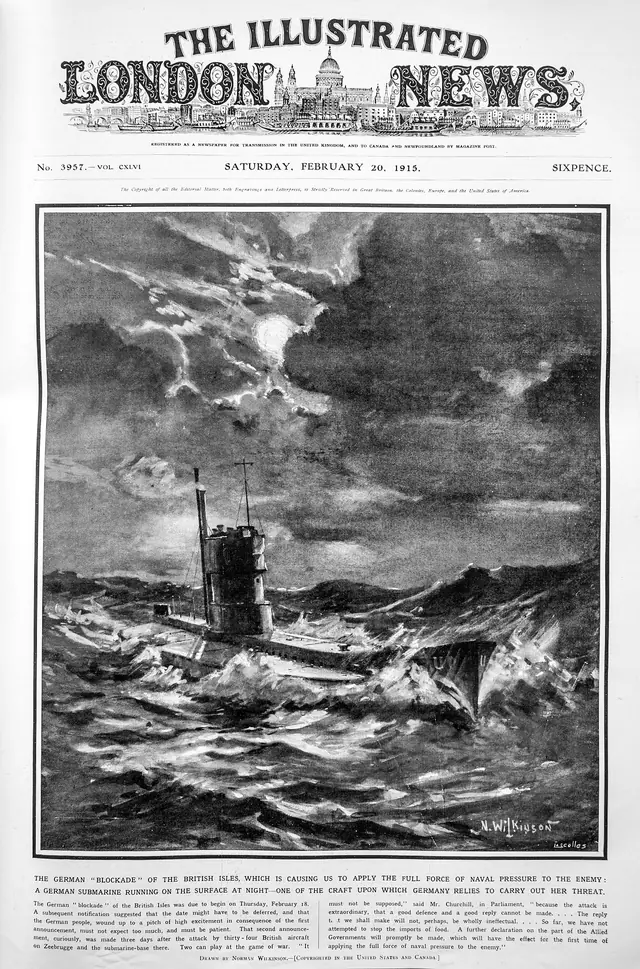
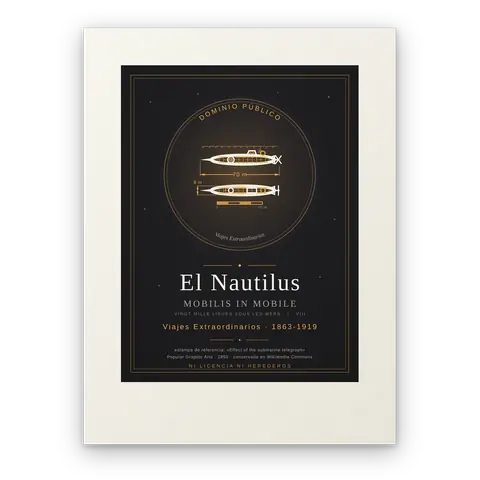
The Nautilus of the novel looks nothing like the one in your head. Verne describes a cylinder seventy metres long and eight in the beam, smooth, with no rivets and no spines: a steel cigar. The saloon is ten metres by six, five metres high, and inside it there is an organ, paintings and cabinets of shells. The crockery, the bed linen and the black flag all carry the same mark: a large N ringed by the motto Mobilis in mobili, ‘moving within the moving element’.
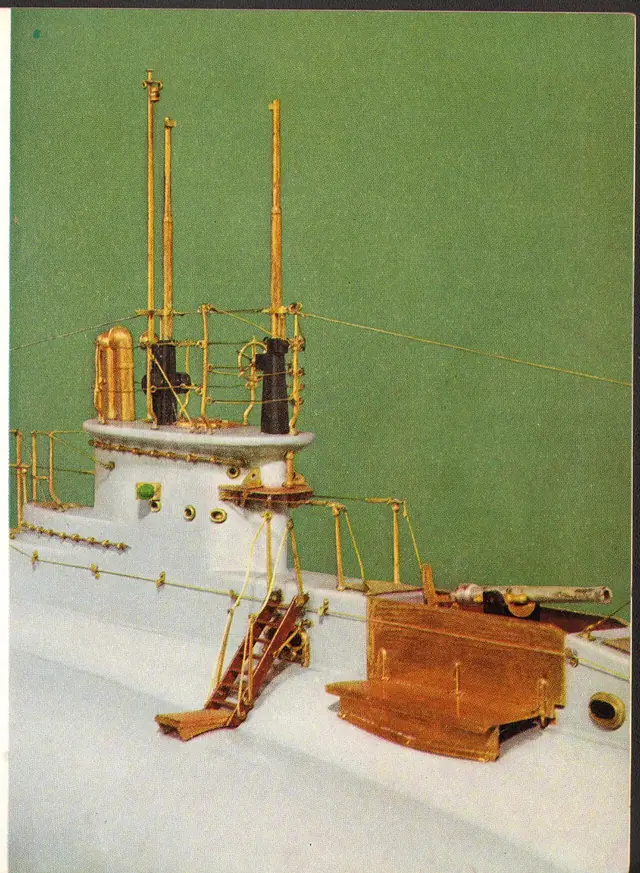
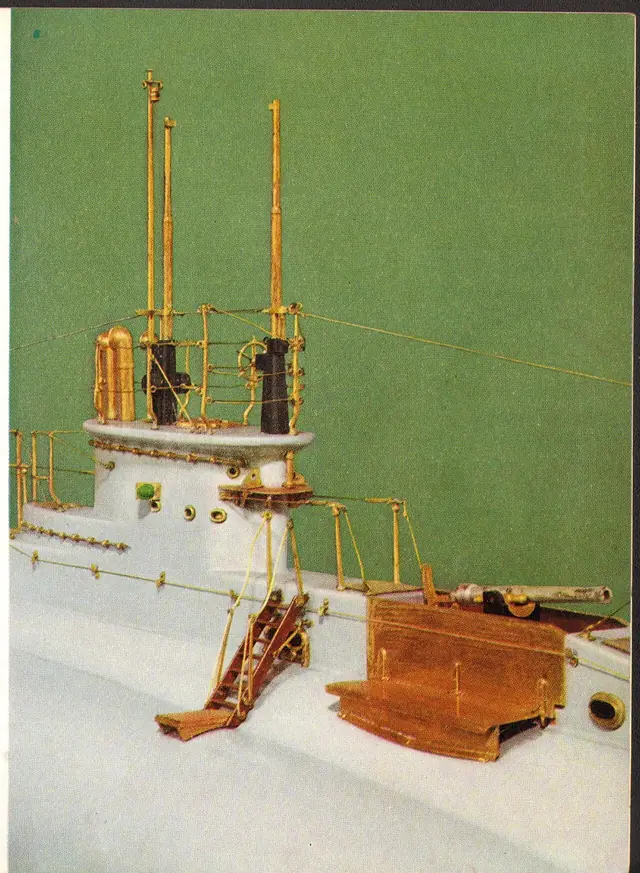
The source is real, and it is dated. The Plongeur, launched on 16 April 1863, was the first mechanically propelled submarine in the world; the Ministry of the Navy commissioned a scale model for the Paris Universal Exposition of 1867, and that is where Verne studied it. The compressed air, the ballast tanks and a good deal of the book's technical vocabulary come straight off that model.
The ribbed, riveted, spine-crested Nautilus we all draw dates from 1954 and it has an author: Harper Goff, art director on the Disney version, who was after a cross between a shark and an alligator. Goff designed every interior too. That year's Academy Award for art direction in colour was collected by his assistant John Meehan, because Goff had no union card and could not be credited.
Nemo was born Polish
In the manuscript of Twenty Thousand Leagues, Nemo was a Polish nobleman whose family had been killed by Russian troops during the January Uprising of 1863. Hetzel made him cut it: France and the Russian Empire were allies, the book would have been kept out of Russian bookshops, and that meant sales. Verne gave way and left his captain without a country. Hence the name: Nemo, ‘nobody’.
Six years later, in The Mysterious Island (1875), he gave him a new one. Prince Dakkar, son of an Indian rajah, an enemy of the British Empire ever since the crushing of the Indian Rebellion of 1857. That second version is the one that has won out on screen: the series Nautilus (2024), with Shazad Latif, begins exactly there, with the dispossessed prince and the East India Company as the enemy. The anime Nadia: The Secret of Blue Water (NHK, 1990-91), directed by Hideaki Anno from an idea by Miyazaki, takes the opposite line: the submarine as a ship under no flag.
The engravings get into the projector
A Trip to the Moon (Georges Méliès, 1902) comes out of From the Earth to the Moon (1865) and out of Wells: a cannon, a capsule, twelve minutes and a few Selenites. It sits on UNESCO's Memory of the World register. There is a Spanish detail almost nobody tells: the only surviving hand-coloured print turned up in 1993 at the Filmoteca de Catalunya, inside an anonymous donation of some two hundred silent films, the celluloid by then a decomposed block. It took eighteen years to reach a screen again, with 13,375 frames rebuilt one at a time, and it premiered at Cannes on 11 May 2011.
Fourteen years after Méliès, Universal shot 20,000 Leagues Under the Sea (1916) in the Bahamas with the brothers George and J. Ernest Williamson and their photosphere: a transparent submersible sphere joined to the surface by a watertight tube, worked with mirrors, a periscope in reverse. It was the first film genuinely shot underwater.
In 1958 Karel Zeman did the most literal thing anyone has done with this material. Invention for Destruction, taken from Facing the Flag (1896), copies the hatching of Riou's and Benett's engravings: the costumes are painted with black lines so that the actors look drawn, and the sea is ripples projected onto real water. The film does not illustrate Verne, it illustrates Hetzel's books.
The balloon that isn't in the book
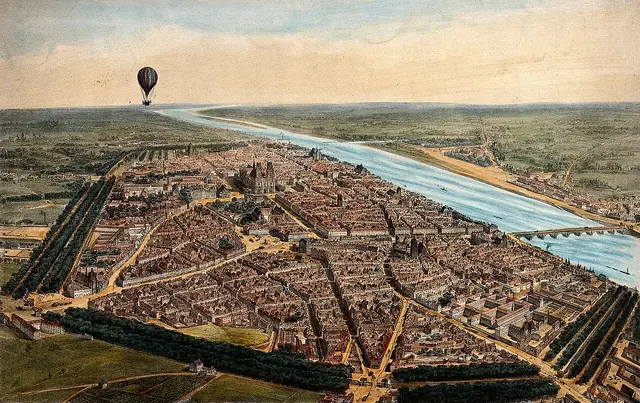
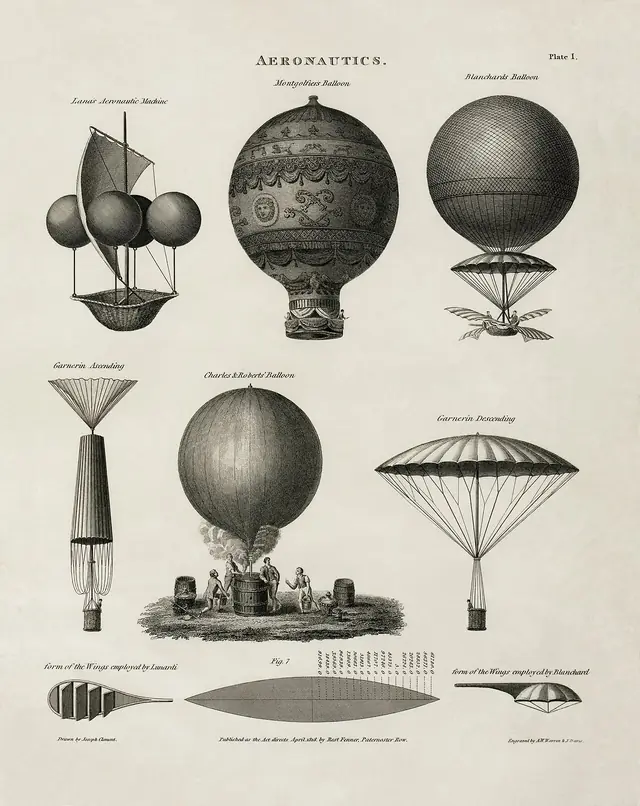
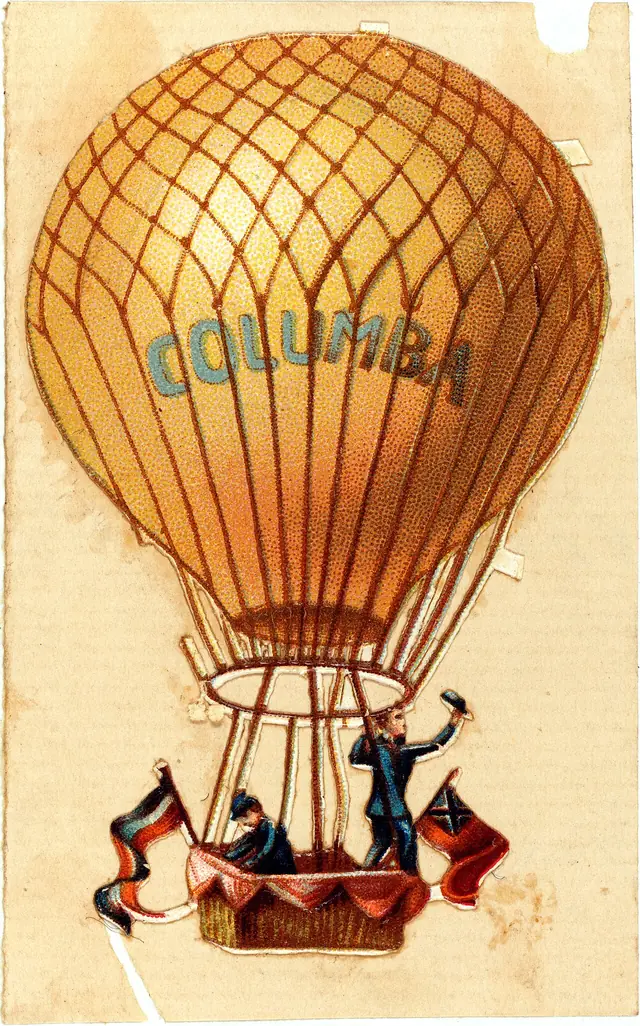
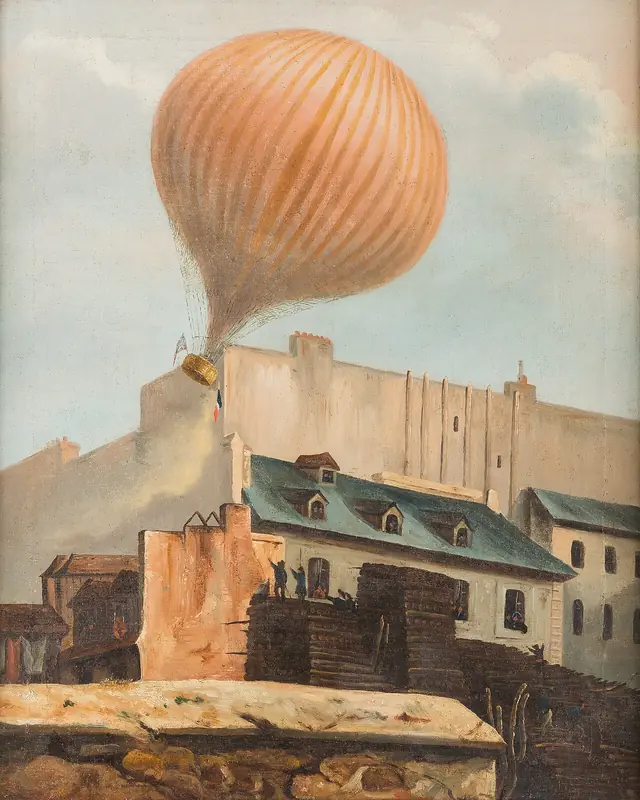
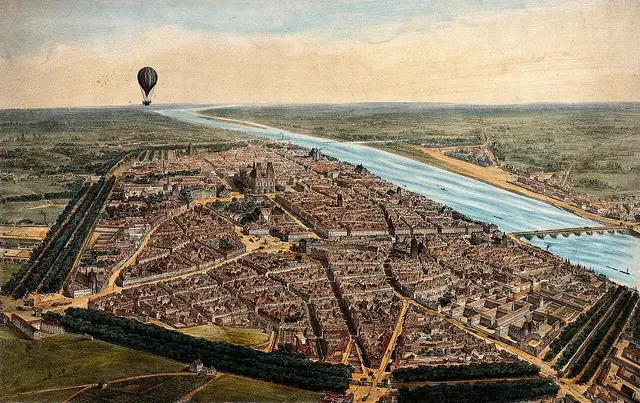
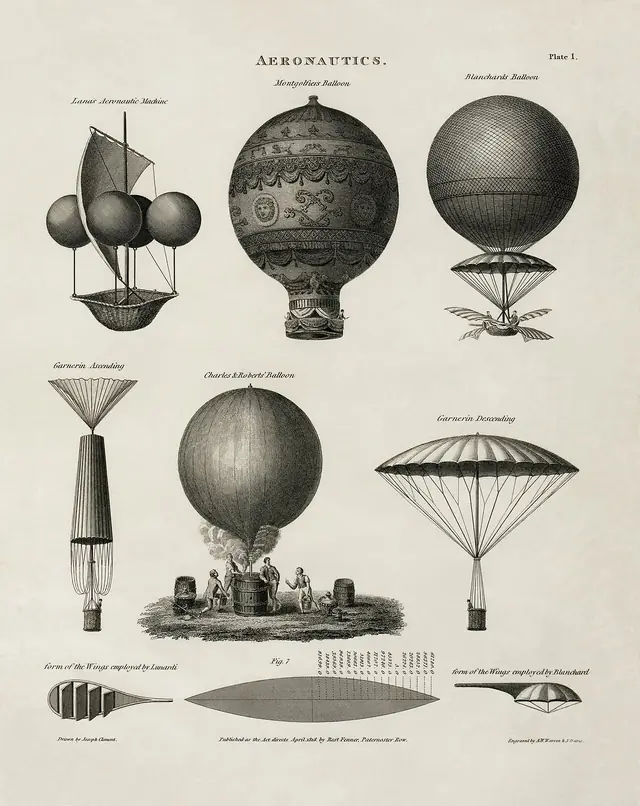
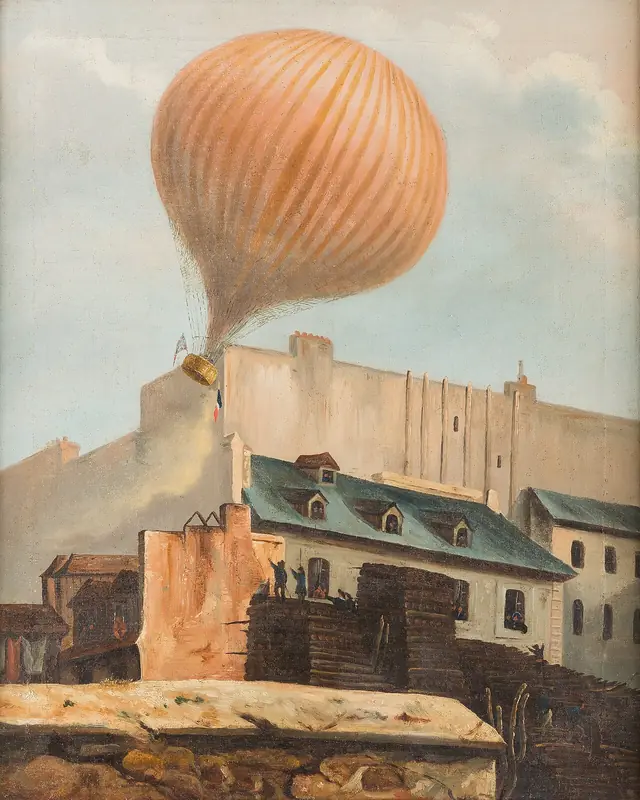
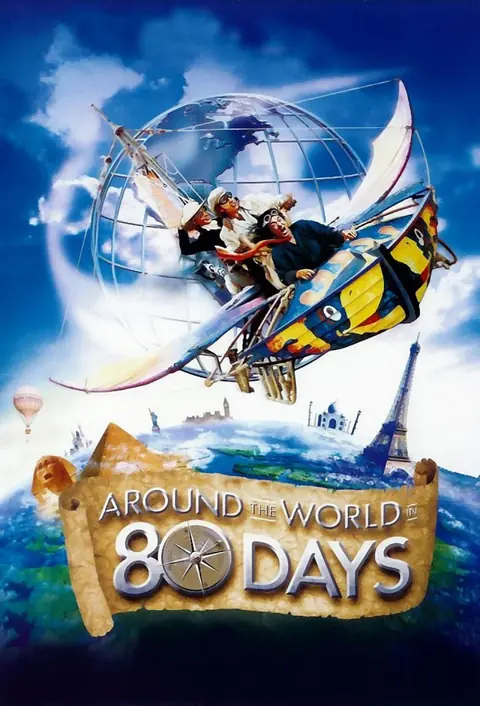
A good deal of what we take to be Verne was put there by the cinema. There is no balloon anywhere in Around the World in Eighty Days: Phileas Fogg travels from Paris to Brindisi by train. The balloon was invented by Michael Todd's production in 1956 — Todd-AO in 70 mm, David Niven and Cantinflas, five Oscars from eight nominations, Best Picture among them — and it has presided over every cover since.
Same story with the creatures. In Journey to the Centre of the Earth (Henry Levin, 1959) the dimetrodons are rhinoceros iguanas with a fin stuck to the back, filmed with nothing around them to give a sense of scale. In Mysterious Island (1961), Ray Harryhausen's giant crab is a real crab: he bought it in the food hall at Harrods, had it killed at the Natural History Museum in London and took it apart to fit an articulated skeleton inside.
At least once, reality ran the other way. When Nellie Bly left New York on 14 November 1889 to beat Fogg for the New York World, she made a detour to Amiens to call on Verne.
‘If she does it in seventy-nine days, I shall applaud with both hands,’ he told her. She did it in seventy-two.