








The draughtsmen Napoleon left behind in the desert
The Egypt you see on screen was drawn between 1798 and 1878, and almost all of it with a burin. Bonaparte landed with the Commission des Sciences et des Arts, some 160 civilians under Gaspard Monge's Institut d'Égypte. Among them was Vivant Denon (1747-1825), who went up the Nile with Desaix sketching monuments under enemy fire.
Out of that came the Description de l'Égypte, issued in parts between 1809 and 1829: twenty-three volumes, ten of them nothing but plates, 894 engravings worked up from more than 3,000 drawings, with some 400 engravers behind them. The mammoth-format sheets stand almost a metre tall. The fine detail came later, from the Denkmäler of Lepsius (1849-1859) and the 159 colour plates of Prisse d'Avennes (1878), the source of the borders and the star-strewn ceilings.
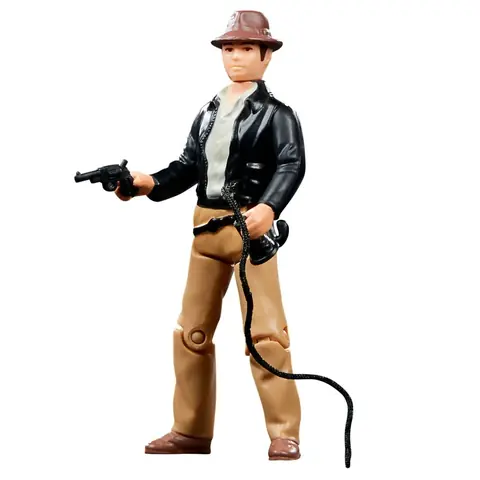
The character came from Giovanni Battista Belzoni (Padua, 1778 – Gwato, 1823), a two-metre strongman who performed in London as “the Modern Samson” before he took to shifting colossi. He hauled the bust of the Younger Memnon out of the Ramesseum for the British Museum, cleared the sand from Abu Simbel in 1817, found the tomb of Seti I and got inside the pyramid of Khafre, leaving Scoperta da G. Belzoni 2 mar. 1818 written on the wall. In 1820 he put a full-size replica of the tomb on show at the Egyptian Hall in Piccadilly. The adventurer-archaeologist starts there.
The scales, the feather and the Devourer
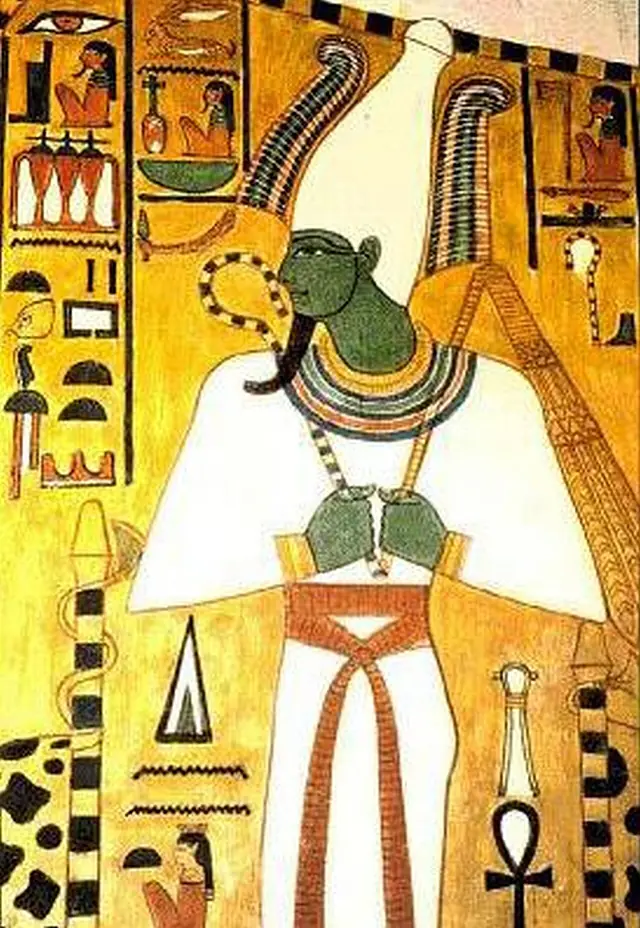
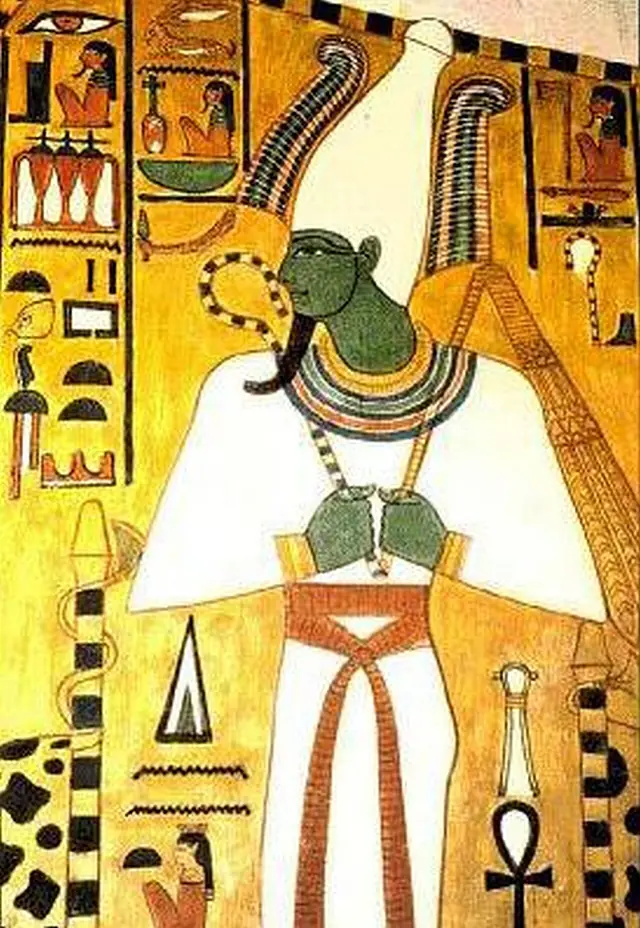
The “Book of the Dead” was never called that, and it isn't a book: its Egyptian title is rw nw prt m hrw, “spells for going forth by day”, and it was a repertoire from which each of the dead commissioned a selection. The German name Todtenbuch and the numbering of the spells, 1 to 165, belong to Lepsius, 1842, when he published the Turin papyrus: anyone who says “chapter 125” is using a nineteenth-century Prussian figure.
And 125 is the scene the cinema has never stopped copying. The dead man's heart in one pan of the scales, Maat's ostrich feather in the other. Anubis, jackal-headed, sets the pointer; Thoth, ibis-headed, notes the result; crouched underneath waits Ammit, the Devourer, crocodile at the front, lion in the middle, hippopotamus at the back. The scarab that lay on the chest has chapter 30B cut into it, so the heart cannot give its owner away.
The finest surviving copy is the Papyrus of Ani, made around 1250 BC for a Theban scribe: almost twenty-four metres long by thirty-three centimetres high. It left Luxor in 1888 with E. A. Wallis Budge, who emptied a store sealed by the Egyptian police by digging a tunnel under the wall while the guards were kept busy with a meal. Today it is item EA 10470 in the British Museum.
Hollywood built its temple before the tomb turned up
Grauman's Egyptian Theatre on Hollywood Boulevard opened on 18 October 1922 with Robin Hood. Howard Carter's workmen did not hit the first step until 4 November: the cinema had been putting up Egyptian temples for seventeen days before anything had been discovered at all.
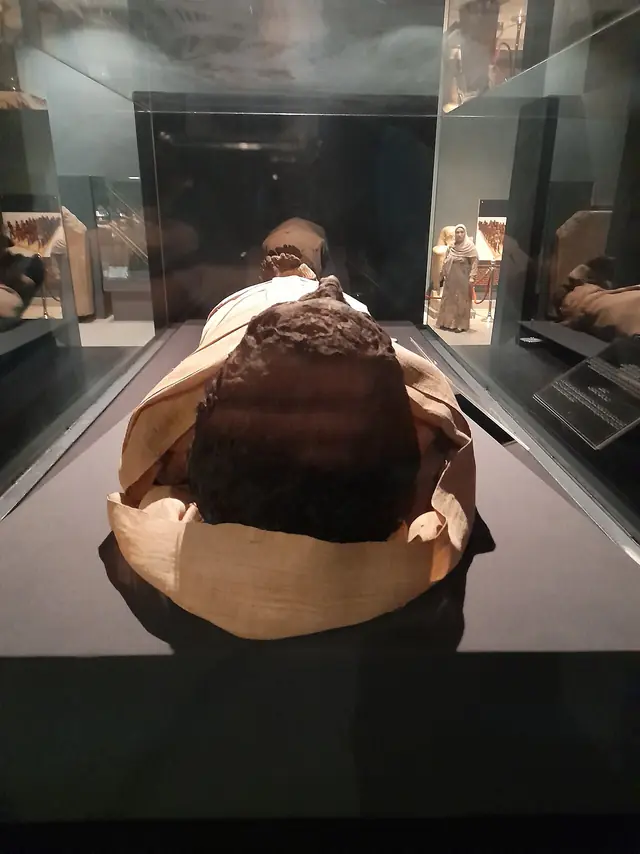
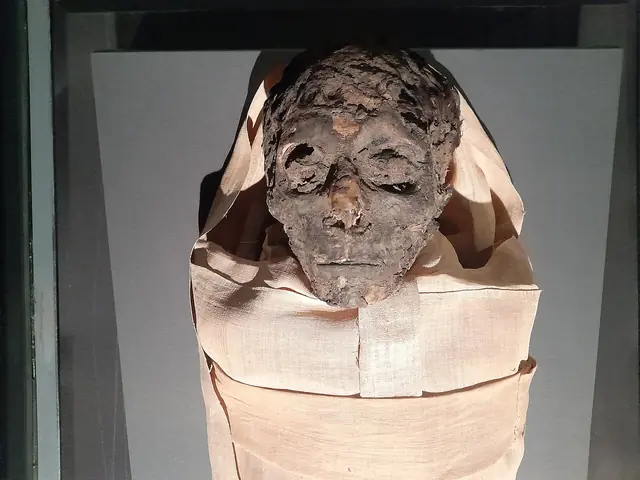
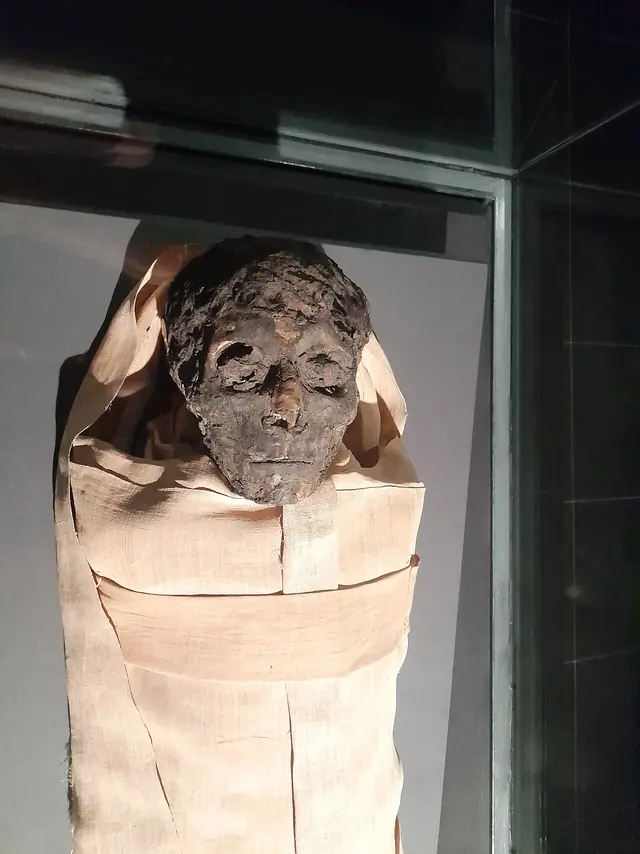
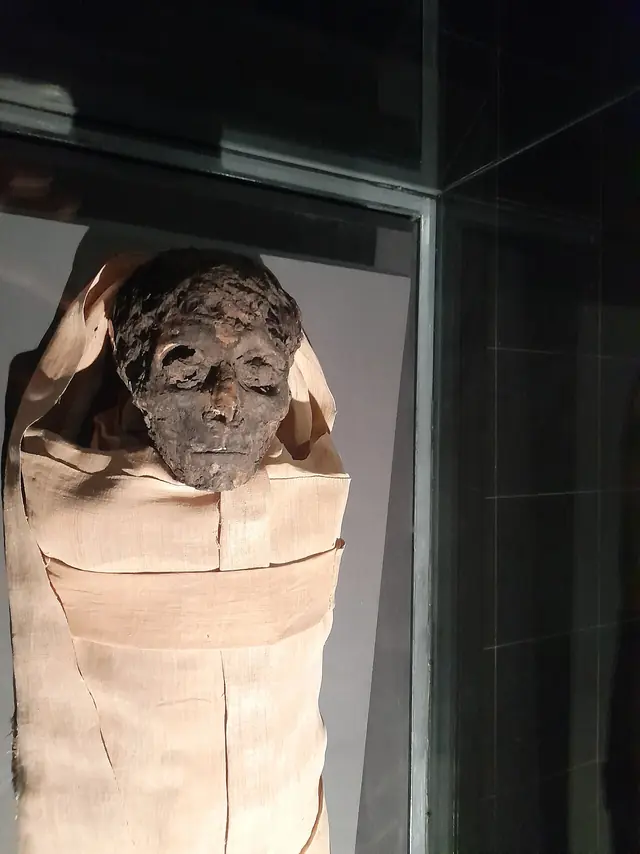
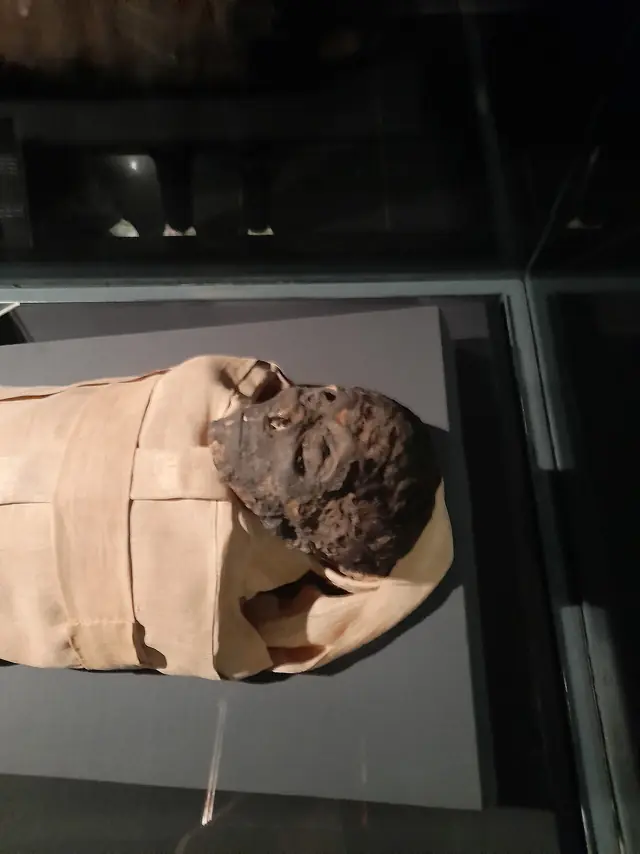
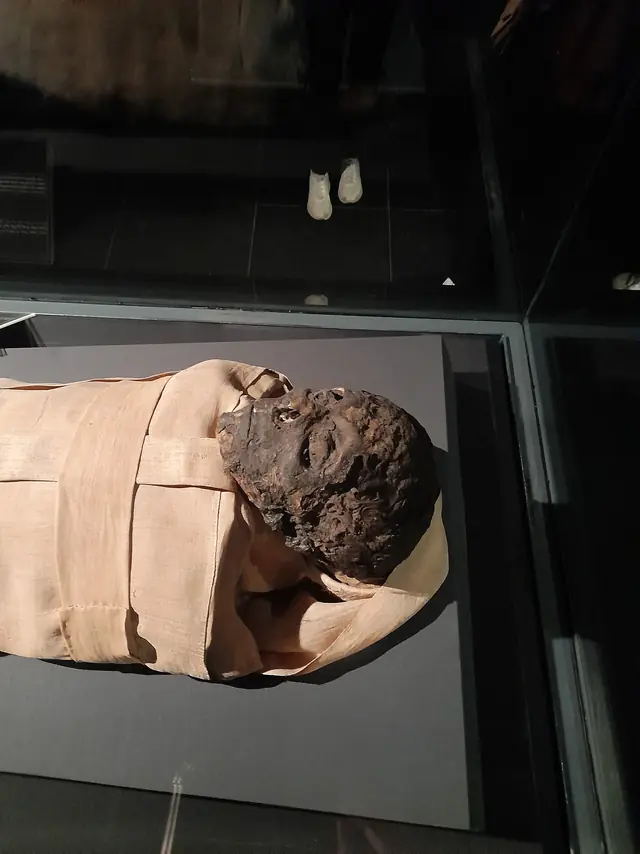
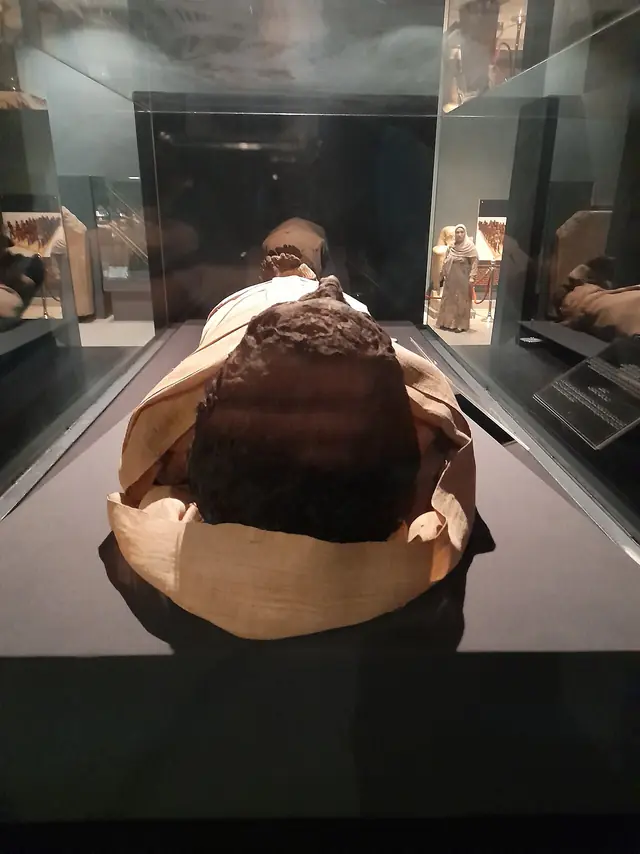
Egyptomania went back a long way. The surgeon Thomas Pettigrew, “Mummy” Pettigrew to Londoners, had been unrolling mummies in public since March 1833 — he bought one at Sotheby's for 23 pounds — and on 15 January 1834 he filled the Royal College of Surgeons to a sold-out house. That slow unwrapping, the body on the table and a lecture going on over it, is the shot of the mummy waking up. There was even a fashionable colour, mummy brown, made from ground flesh, white pitch and myrrh: Burne-Jones buried his tube in the garden in 1881 once he learnt what was in it.
As for the curse, there is none: nowhere in Tutankhamun's tomb is there an inscription threatening anybody. The press wrote it. Two weeks before Lord Carnarvon died, the novelist Marie Corelli sent a letter to the New York World quoting an obscure book: a “dire punishment” would fall on anyone who entered a sealed tomb. Carnarvon died on 5 April 1923 of septicaemia: a mosquito bit him and he opened the bite shaving. Of the 58 people present at the openings, only eight died in the following twelve years, and Carter lived on to 1939 without a scratch.
Karloff: eight hours in the chair for two minutes of bandages
The Mummy (Universal, 22 December 1932, Karl Freund) did not begin as an Egyptian story. Nina Wilcox Putnam and Richard Schayer's treatment ran to nine pages under the title Cagliostro: a thousand-year-old magician in San Francisco keeping himself going on injections of nitrates. The man who moved it to the Valley of the Kings was John L. Balderston, who had covered the opening of Tutankhamun's tomb as head of the London bureau of the New York World. The same paper that ran Corelli's letter.
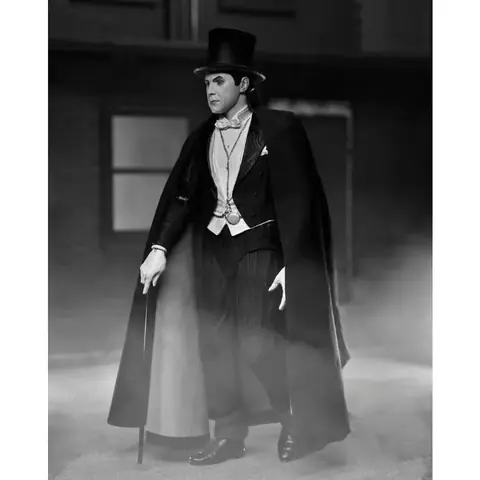
Jack Pierce started making Boris Karloff up at eleven in the morning and finished at seven in the evening, using cotton wool, collodion, shellac and linen bandages treated with acid; taking it off took another two hours. And that make-up is on screen only in the opening sequence: the rest of the film is a gentleman in a fez called Ardath Bey.
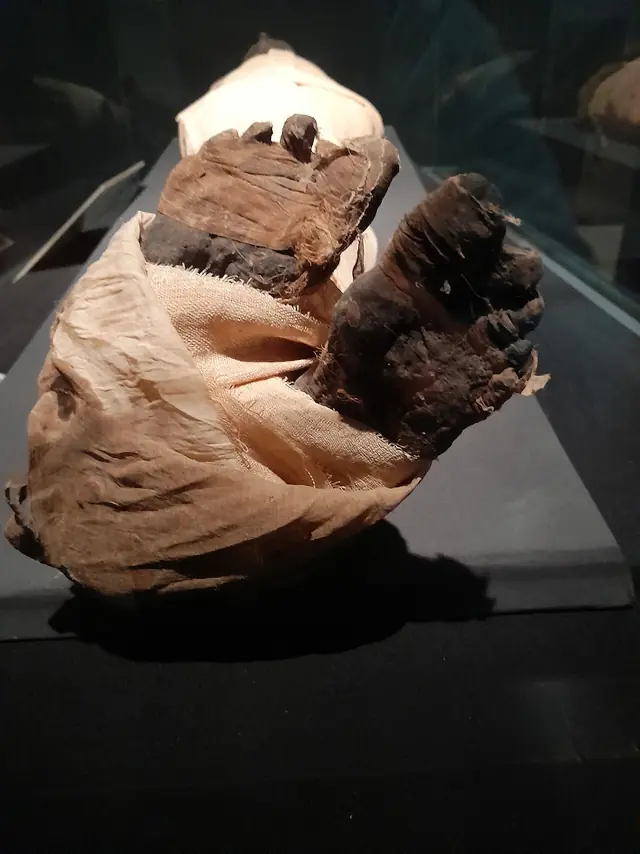
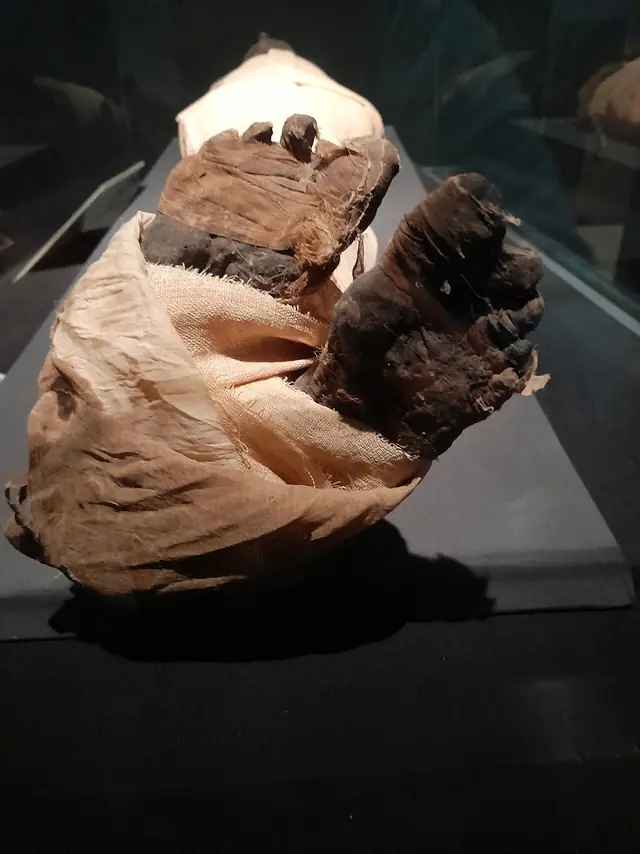
The mummy that drags one foot and is bandaged from head to toe isn't his either: that is Kharis, born in The Mummy's Hand (1940) with Tom Tyler and the tana leaves. Lon Chaney Jr inherited him for three sequels between 1942 and 1944. The costume was fixed by the B-picture, not by the classic.
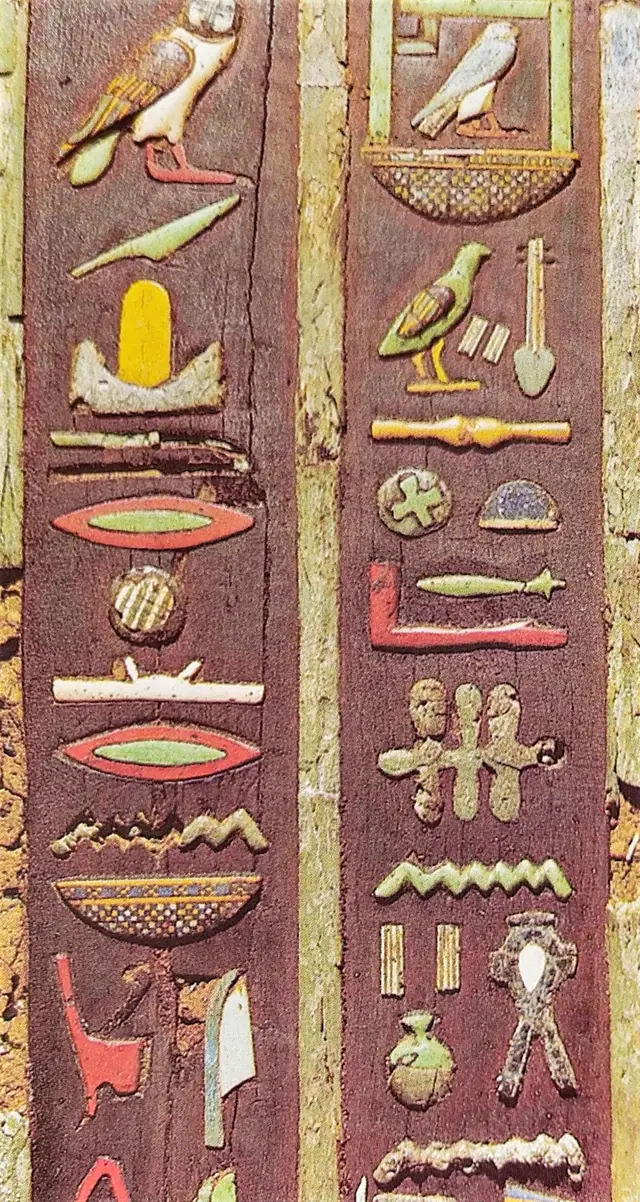
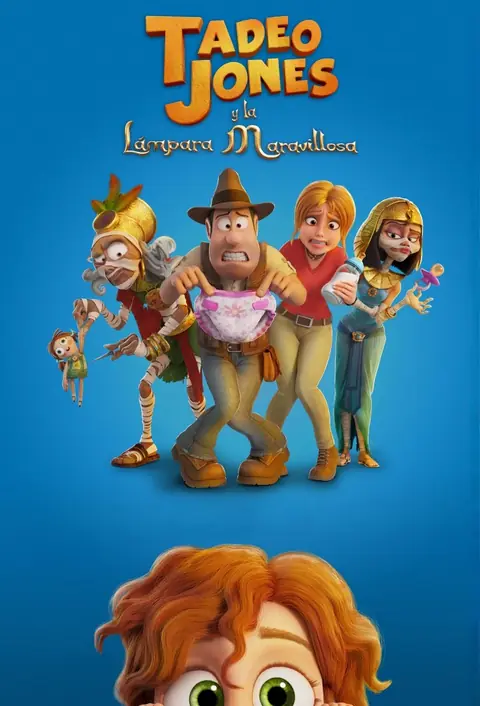
The Egyptian spoken in Stephen Sommers's The Mummy (1999) is no gibberish either: it was reconstructed by the Egyptologist Stuart Tyson Smith, who had already done the job on Stargate (1994) and did it again for The Mummy Returns (2001). The in-jokes are still there: in the Well of Souls in Raiders of the Lost Ark (1981) two of the hieroglyphs are R2-D2 and C-3PO, and the mute parrot in Tad the Lost Explorer (Tadeo Jones) is called Belzoni.
Cleopatra: forty-four million and forty-one seconds
Cleopatra (Joseph L. Mankiewicz, 1963) cost 31.1 million dollars to produce and another 13 in prints and advertising. Elizabeth Taylor took the first million-dollar fee in the history of the cinema, the entry into Rome was shot on 8 and 9 May 1962 with choreography by Hermes Pan, and the film won four Oscars and came close to sinking Fox altogether. Goscinny and Uderzo walked out of a screening and wrote Asterix and Cleopatra (Pilote, 1963): the cover parodies Mankiewicz's poster, and Alain Chabat's 2002 film comes from there.
But the Cleopatra that fixed the image is earlier, and hardly exists any more: the 1917 one, with Theda Bara. The last prints burned in the 1937 fire at Fox's New Jersey vault, and for more than a century twenty seconds were all that survived. In September 2023 the collector James Fennell bought a 1920s toy projector on eBay with a reel still inside it: forty-one more seconds of Theda Bara. That is everything that is left.