

Chicago, 1 September 1900
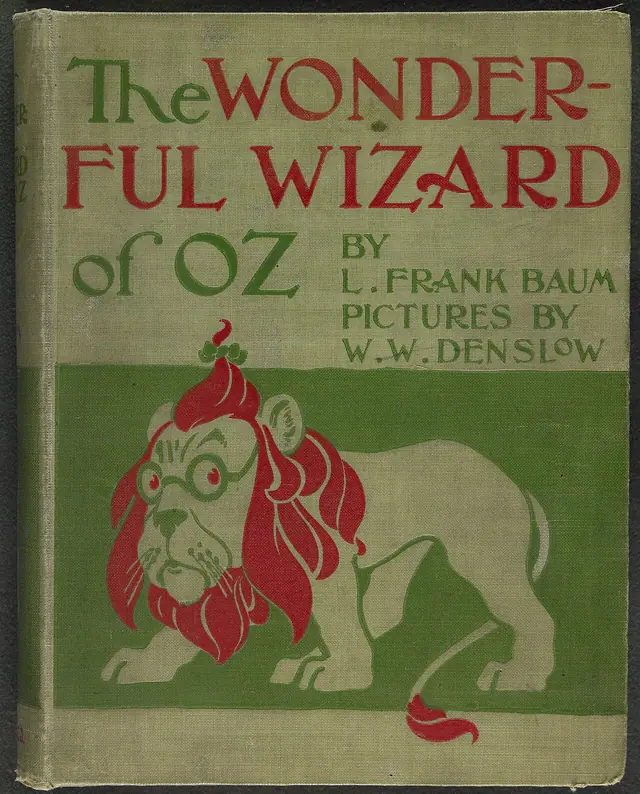
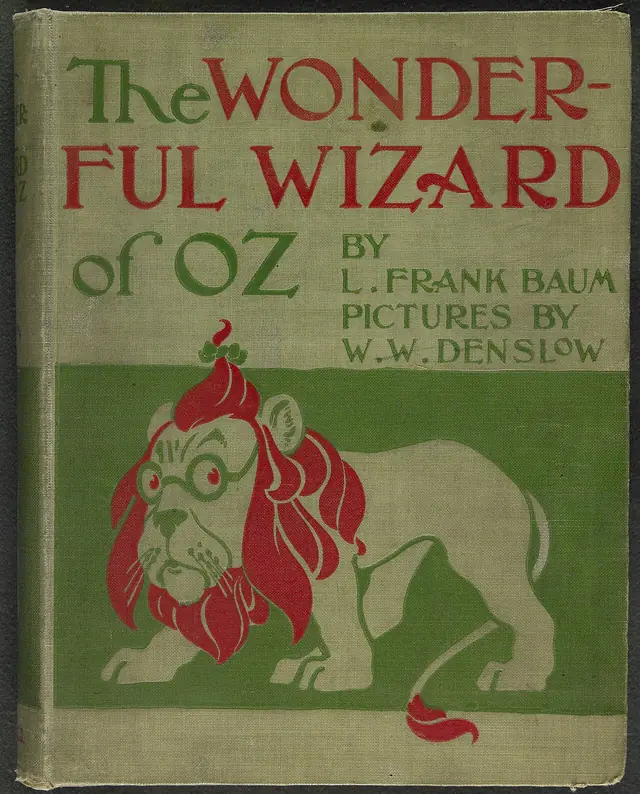
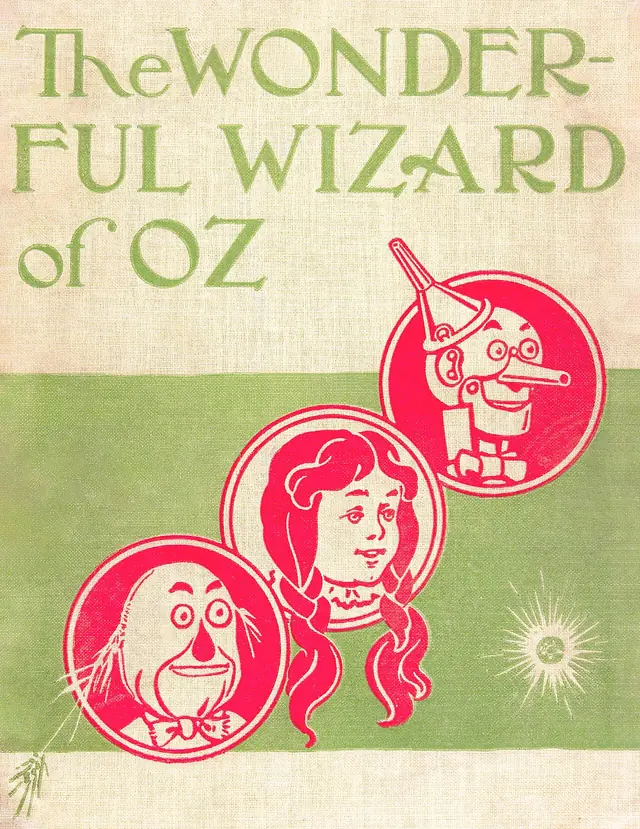
The George M. Hill Company put The Wonderful Wizard of Oz on sale on 1 September 1900, in a print run of 10,000 copies. It had sold out by October, and the second run of 15,000 was almost gone as well. Baum was coming straight off the best-selling children's book of 1899, Father Goose: His Book, made with the same illustrator: William Wallace Denslow.
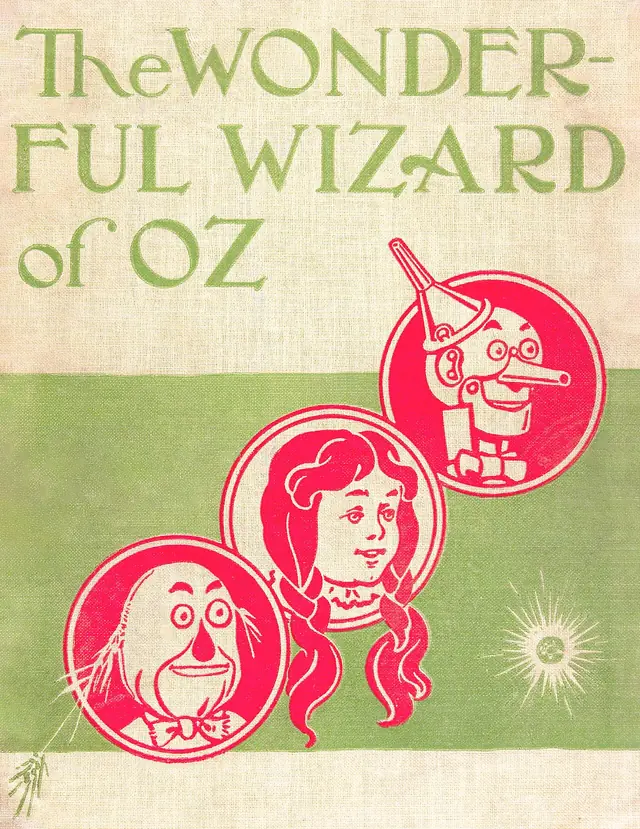
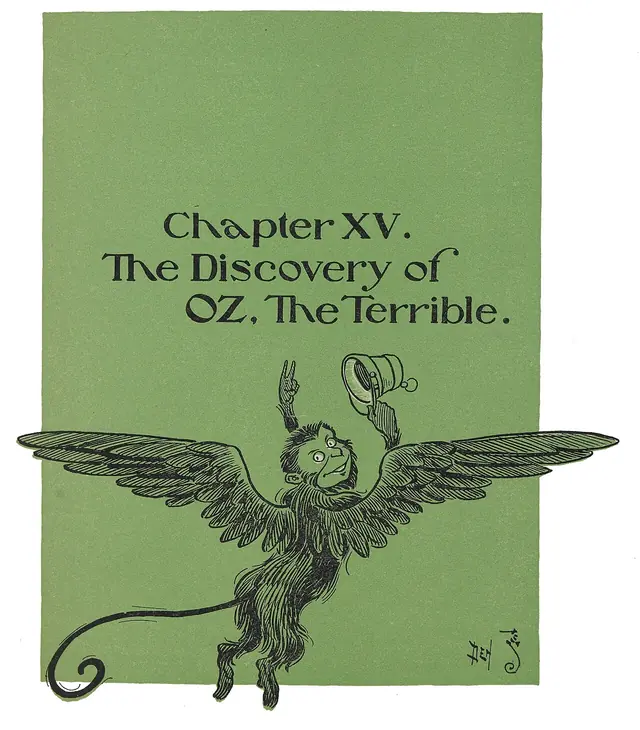
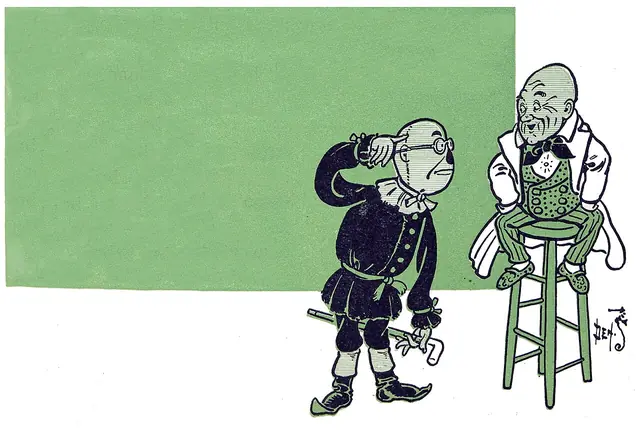
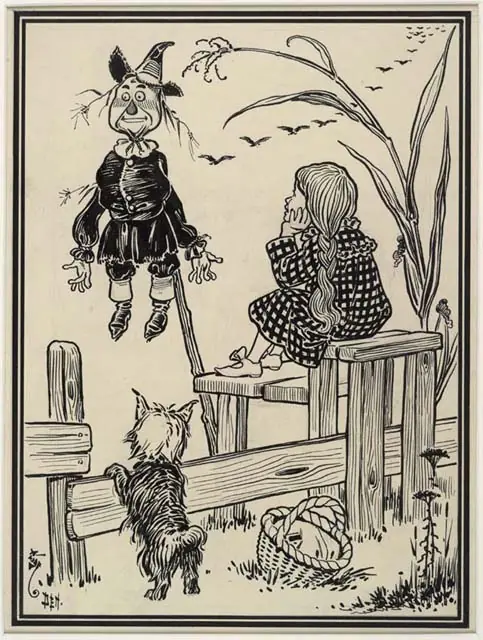
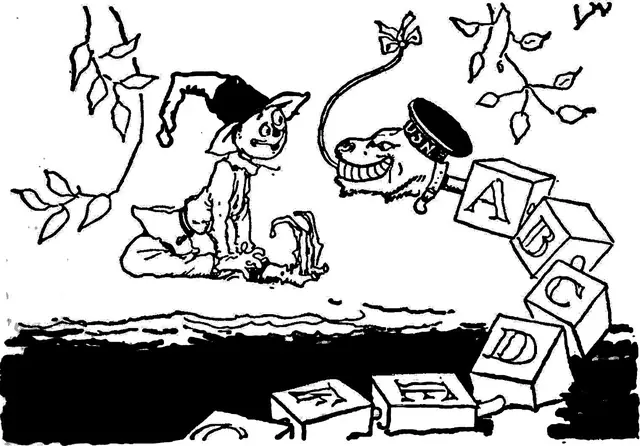
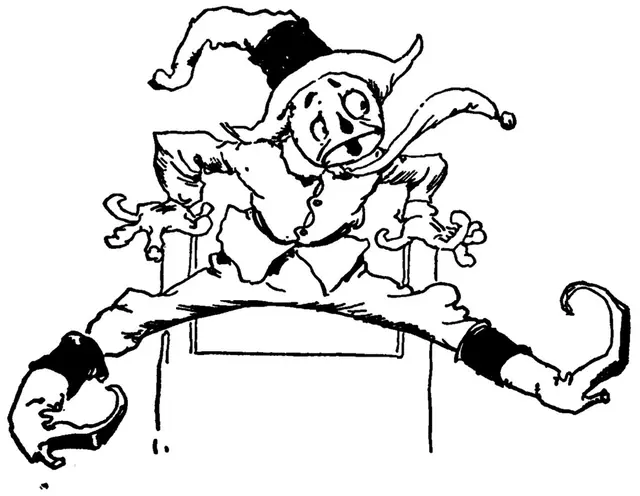
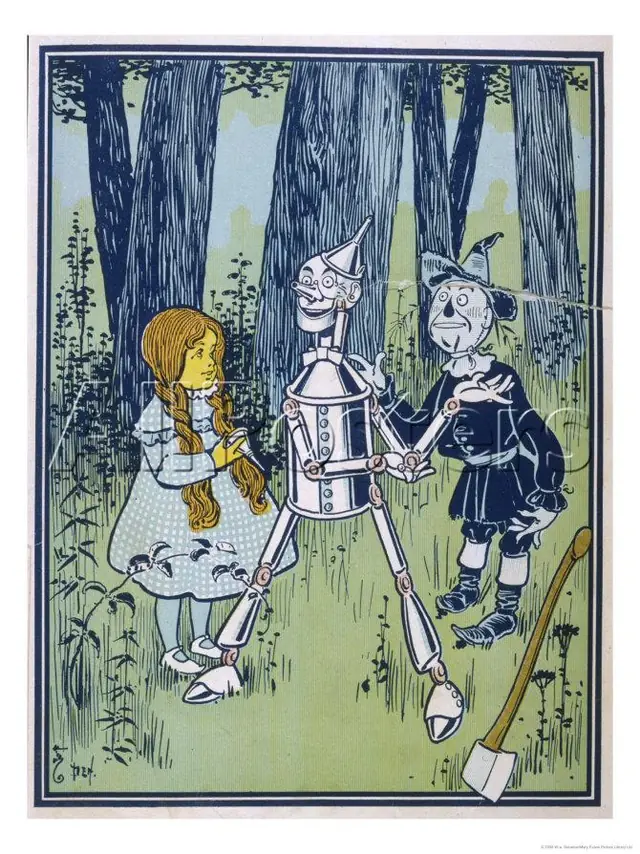
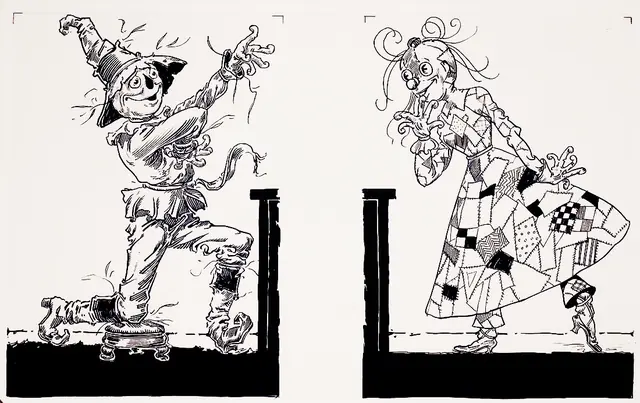
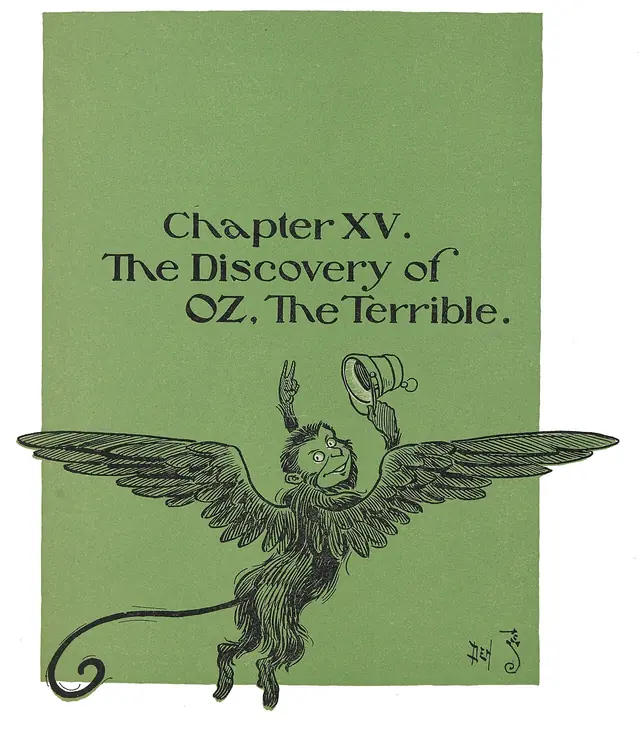
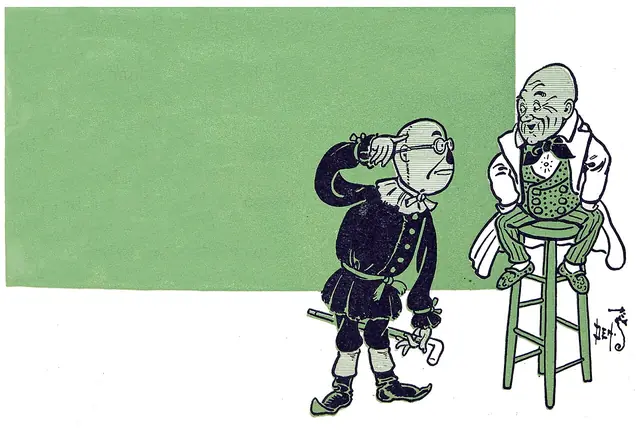
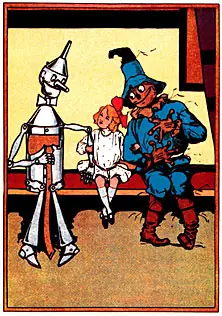
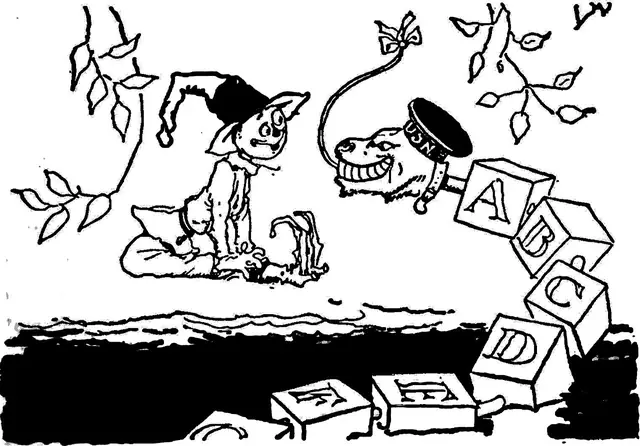
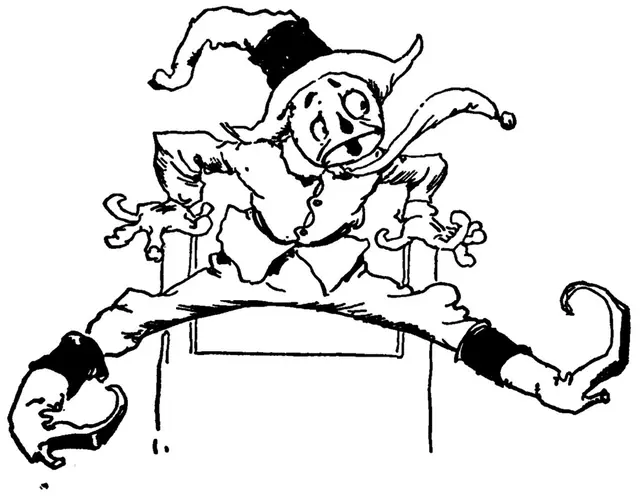
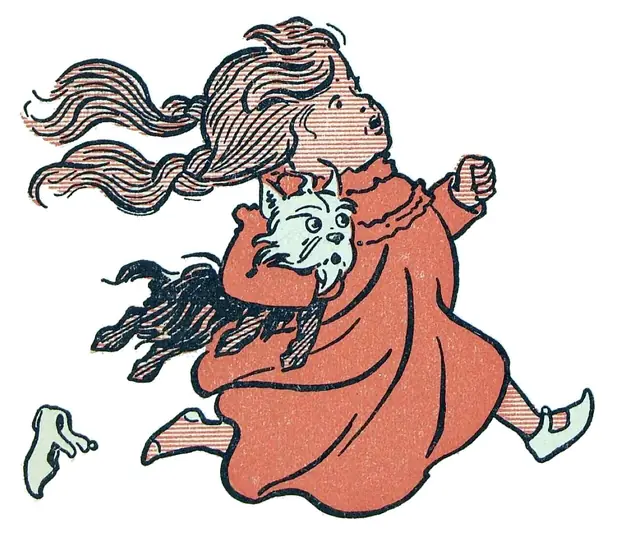
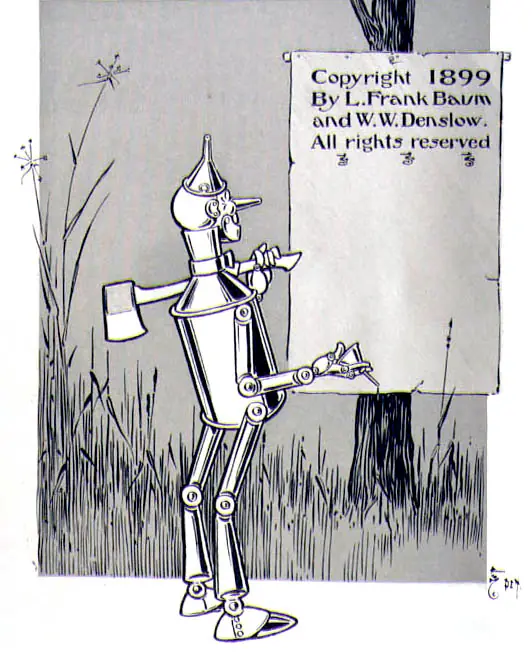
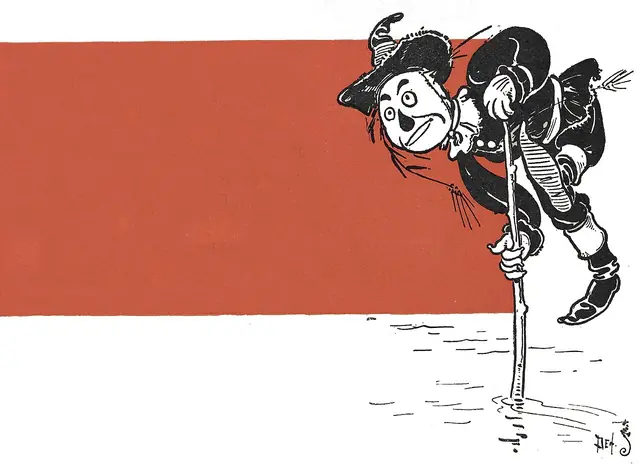
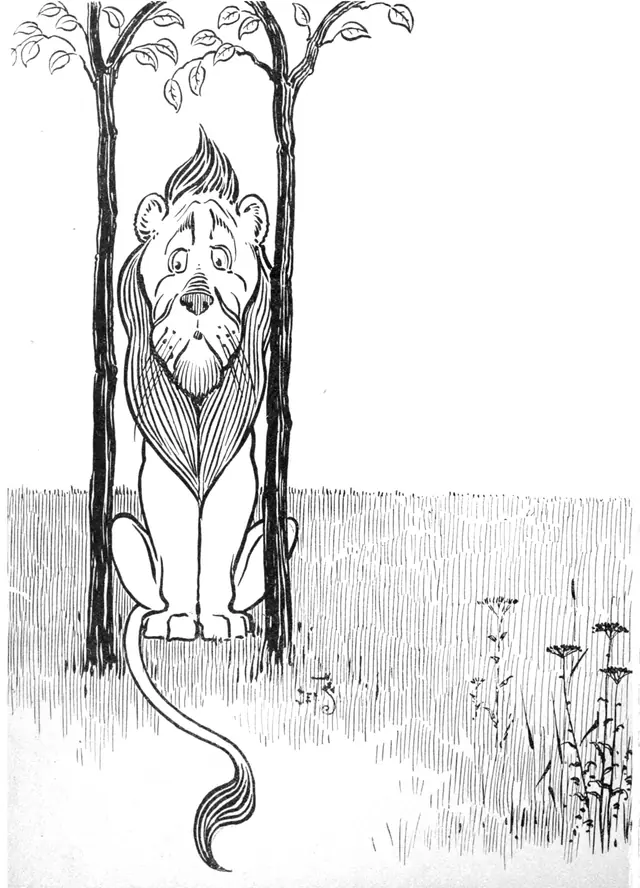
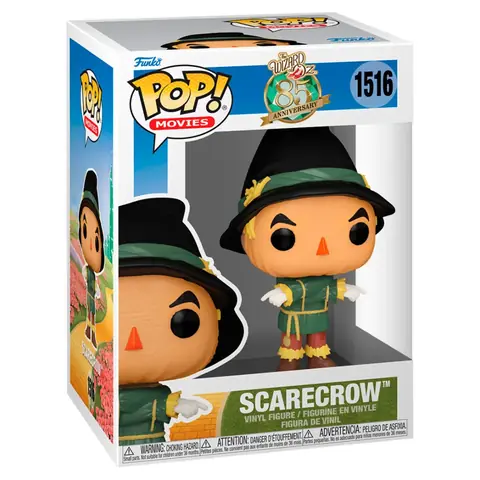
Denslow was no hired hand. He shared the copyright with Baum and contributed 24 colour plates, chapter title pages, headpieces, tailpieces and vignettes scattered through the margins. He also had to invent: Baum described very little, so the Scarecrow's face, the cut of Dorothy's dress and the Woodman's silhouette came out of the pencil rather than the text.
Money broke them apart. Once the 1902 Broadway musical began taking money, Denslow demanded the same share as Baum and the composer Paul Tietjens, and the two never worked together again. On those royalties, which he drew for eight years, Denslow bought an island in Bermuda and proclaimed himself in the press King Denslow I, Monarch of Denslow Island and Protector of the Coral Reefs. He died of pneumonia in New York on 29 March 1915, penniless.
Silver, tin and china
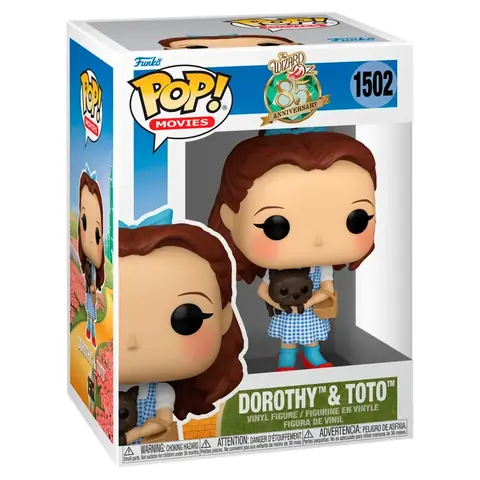
Dorothy's shoes are silver. The road is yellow brick, right enough, but the footwear that carries her back to Kansas has nothing ruby about it: that arrives thirty-nine years later.
Nor is the Tin Woodman a friendly robot. He is an amputee. An old woman who did not want to lose her servant girl hired the Wicked Witch of the East to stop the wedding, and the witch enchanted the woodman's axe. The axe took off one leg, then the other, then his arms one at a time, then his head, and finally split him in two down the middle. A tinsmith replaced him piece by piece until there was no flesh left, and with the flesh went his heart.
The rest of the bestiary is just as concrete:
- Kalidahs: the body of a bear, the head of a tiger, claws able to tear a lion in two.
- Hammer-Heads: short, fat, armless men with flat heads and thickly wrinkled necks, who fire the skull out like a hammer and snatch it straight back.
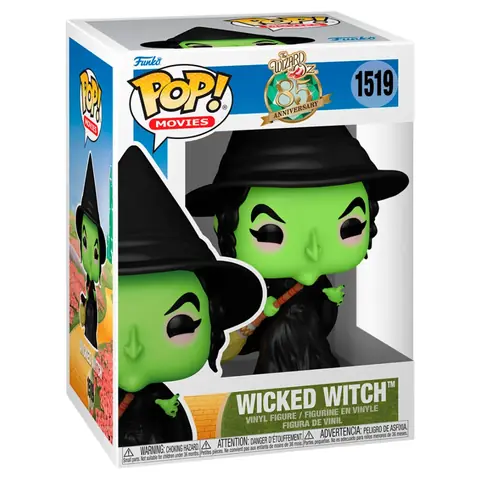
- The Wicked Witch of the West: a single eye, which sees as far as a telescope.
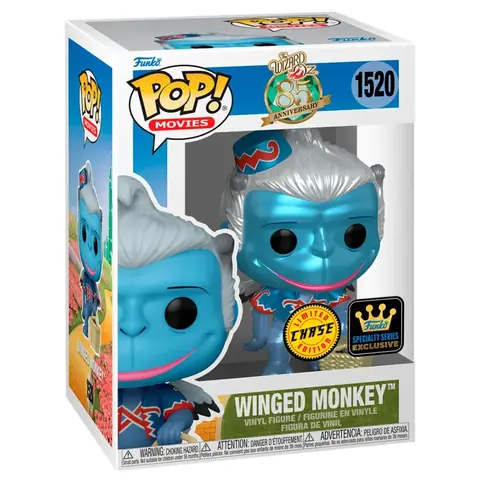
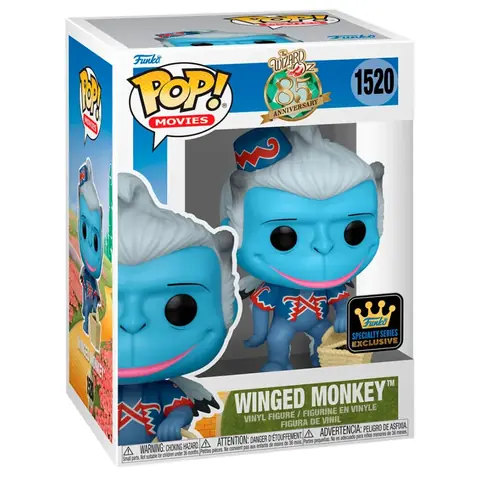
- The Golden Cap: it forces the Winged Monkeys to obey three times and not once more.
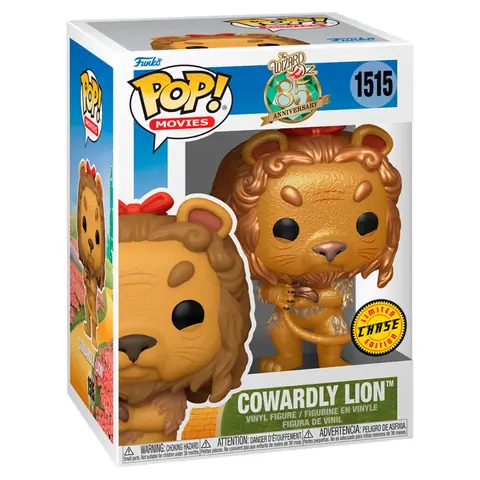
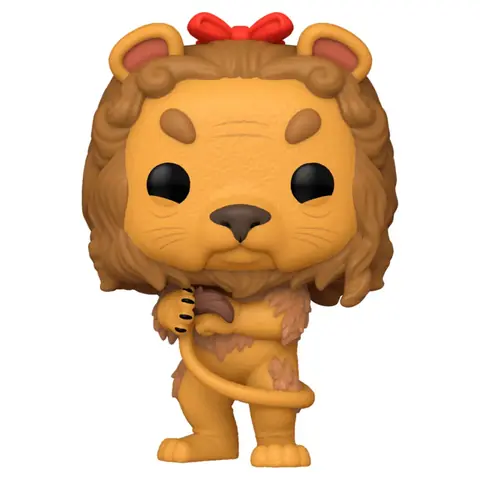
And in Chapter XX there is a white wall and, behind it, a whole country of painted china: houses, fences, cows, sheep, pigs and people the size of a hand. The moment they take fright, a china cow snaps a leg and the milkmaid ends up with her left elbow chipped; and the Cowardly Lion, clearing the wall on his way out, smashes a church to pieces with his tail.
The Emerald City was not green
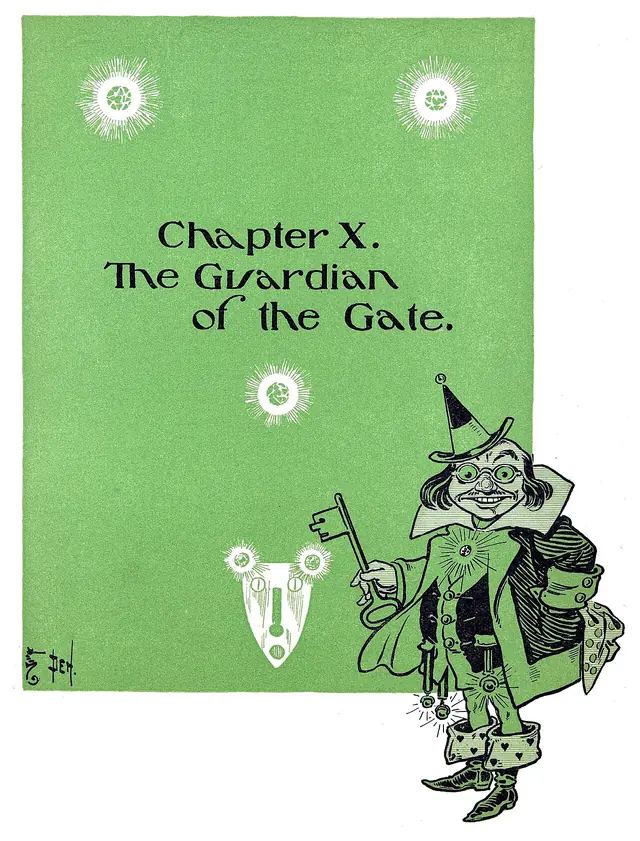
Before anyone goes in, the Guardian of the Gates makes every visitor put on green-glass spectacles. They are held on by two gold bands that fasten behind the head with a key only he carries. The excuse: without them, the brightness and glory of the city would blind them.
It is a lie, and the Wizard admits as much once he is unmasked. Since the country was green and lovely, he decided to call it the Emerald City, and to make the name fit he put green spectacles on the entire population, so that everything they saw was green. Dorothy asks whether the place isn't green after all.
“No more than in any other city,” Oz replies. “But when you wear green spectacles, why of course everything you see looks green to you.”
The emblem of the story, then, is an optical fraud locked shut with a key. A pair of spectacles with two gold bands sums the book up better than any castle could.
Baum built a film studio and went broke twice
On 24 September 1908, in Grand Rapids, Michigan, Baum premiered The Fairylogue and Radio-Plays: himself on stage as narrator, live actors, hand-coloured magic-lantern slides and film shot by the Selig Polyscope Company and tinted in Paris by Duval Frères. It filled the houses and still lost money, because staging it cost more than the box office brought in. It closed on 16 December and ruined him.
Out of that debt came the earliest filmed version that survives: in 1910 Selig shot The Wonderful Wizard of Oz, a single thirteen-minute reel directed by Otis Turner, with a nine-year-old Bebe Daniels as Dorothy. Baum had no hand in it; this was the studio recouping what it was owed.
He tried again in 1914 with the Oz Film Manufacturing Company and a studio of his own on Santa Monica Boulevard, between Gower and Lodi. The first feature was The Patchwork Girl of Oz, five reels directed by J. Farrell MacDonald, written and produced by Baum and distributed by Paramount. The cast held two names that meant nothing at the time: Hal Roach played the Lion and Harold Lloyd, uncredited, a Tottenhot. Exhibitors preferred westerns, Paramount pulled out and the studio closed in 1915.
In 1925 it was Larry Semon's turn: Chadwick Pictures released his version on 13 April, with Oliver Hardy as the Tin Woodman and Dorothy Dwan as an eighteen-year-old Dorothy. There the Scarecrow, the Woodman and the Lion are not even characters: they are costumes pulled on by three farmhands. Chadwick collapsed during the release, Semon filed for bankruptcy in March 1928 and died that October, aged 39.
1939 is a border, not an origin
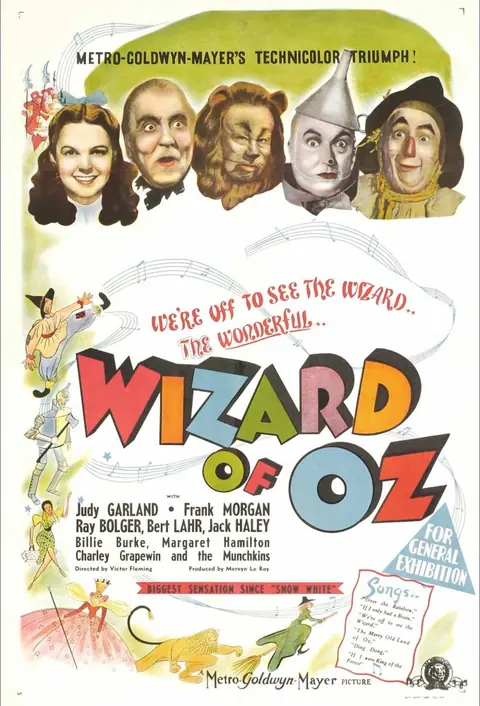
In May 1938 the screenwriter Noel Langley swapped the silver shoes for ruby ones. The reason was technical: silver did not stand out against the yellow of the road in Technicolor. Gilbert Adrian designed them, and the glass beads weighed so much that the shoes ended up carrying some 2,300 sequins each.
That detail marks the legal line running through the whole of modern Oz. The book belongs to everyone; MGM's film does not. In 2011 the Eighth Circuit Court of Appeals ruled in Warner Bros. Entertainment v. X One X Productions that the posters and publicity stills from 1939, published without a copyright notice, are indeed in the public domain, but that combining those elements until they evoke the character as he appears in the film infringes the copyright in the film.
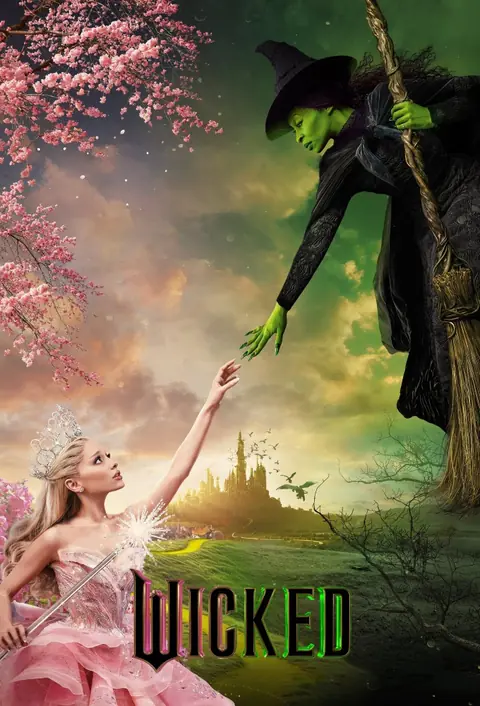
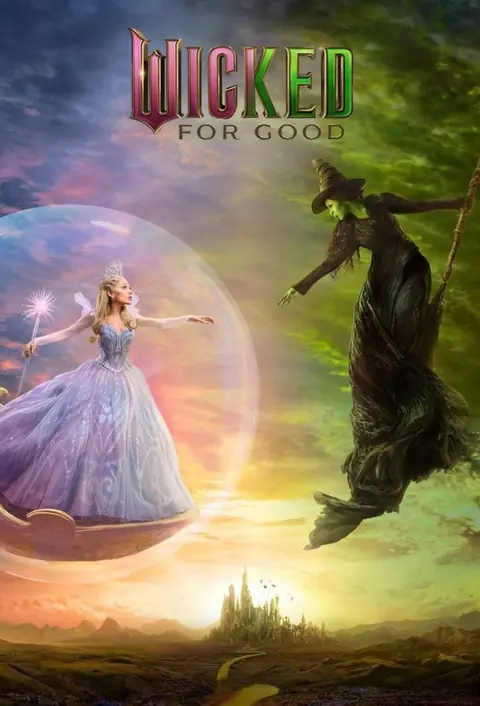
Which produces decisions you can see on screen. In Oz the Great and Powerful (Sam Raimi, 2013) there are no red shoes, and the witch is not quite Margaret Hamilton's green, because Disney could draw on Baum but not on MGM, whose rights Warner bought in the mid-nineties. And in Wicked (2024) the shoes are silver again. This collection works along that same border, and always on the free side of it.