

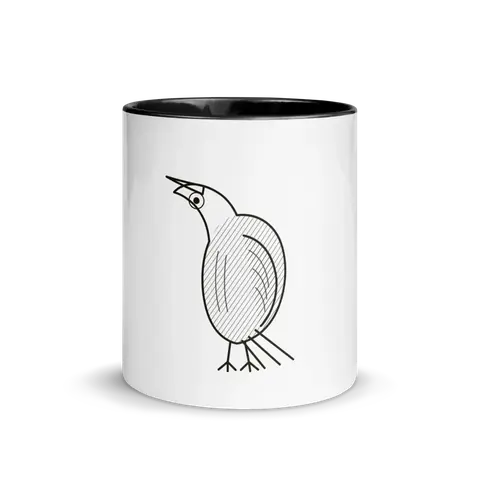
Seven years, a handful of magazines
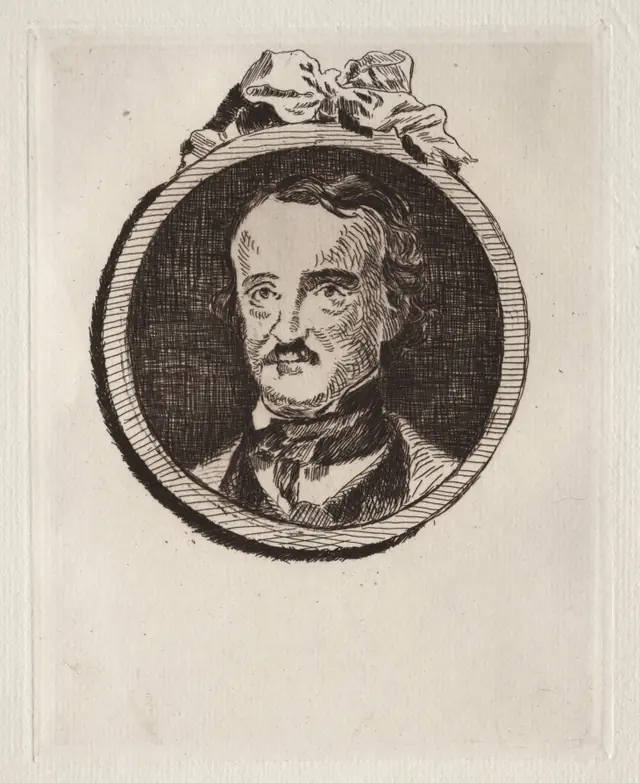
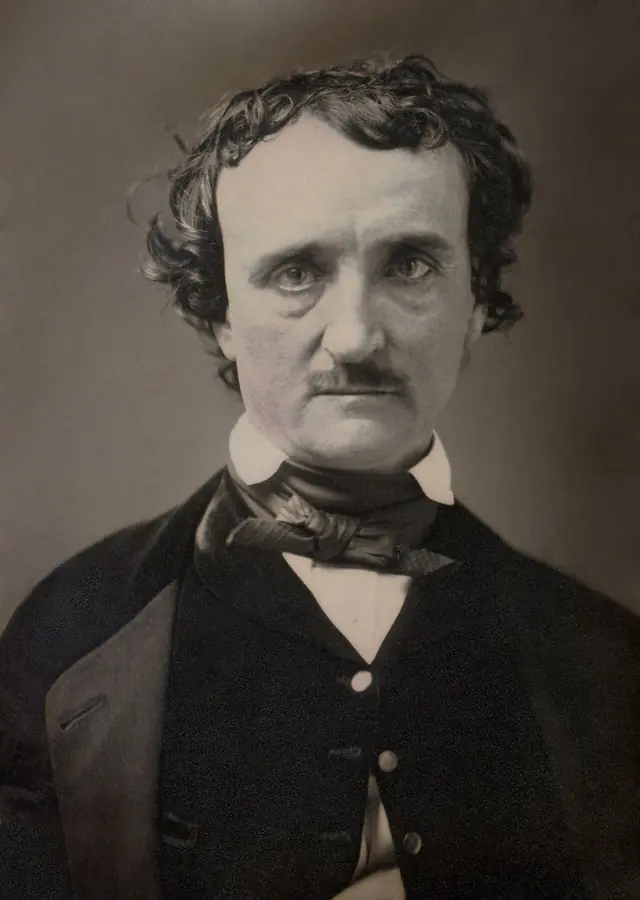
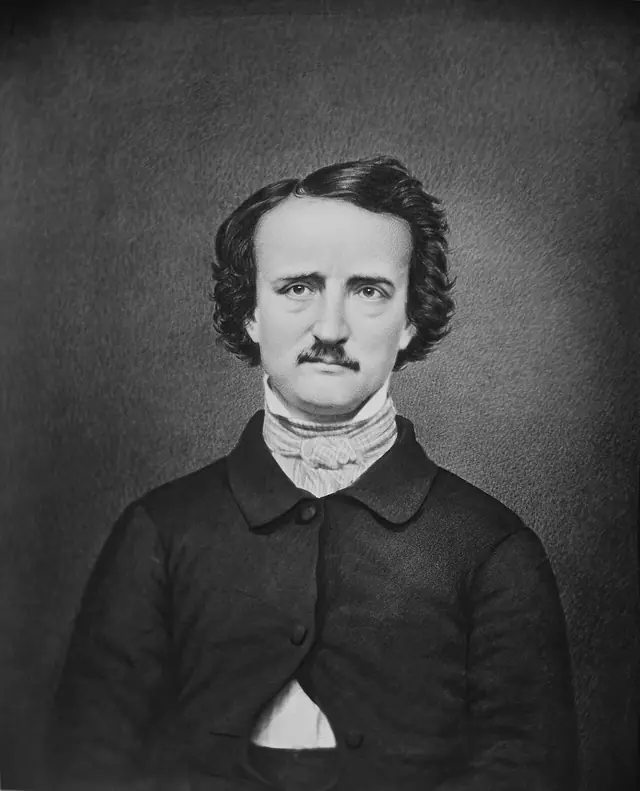
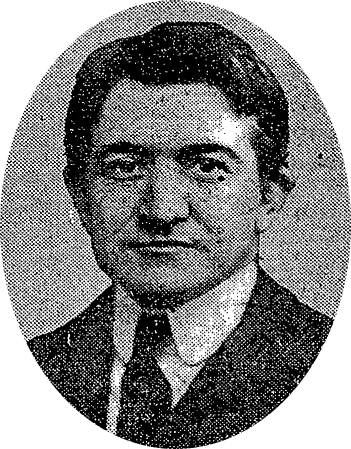
Edgar Allan Poe was born in Boston on 19 January 1809 and died in Baltimore on 7 October 1849, at forty. Almost everything now recognised as “his” fits into seven years, and all of it came out in magazines, paid by the page.
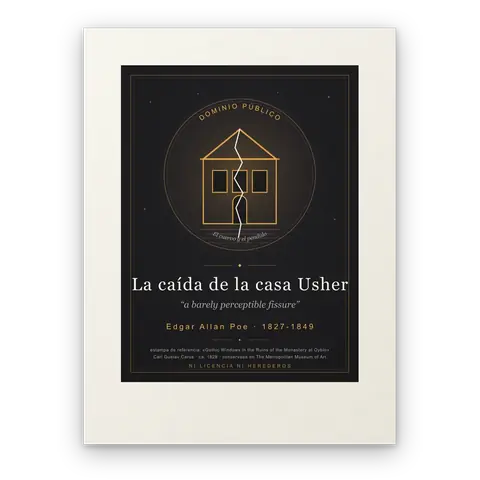
“The Fall of the House of Usher”, Burton's Gentleman's Magazine, September 1839. “The Murders in the Rue Morgue”, Graham's Magazine, April 1841: enter Auguste Dupin, the first detective to solve a case by reasoning it out. “The Masque of the Red Death”, Graham's, May 1842. “The Tell-Tale Heart”, in the opening issue of The Pioneer, January 1843. “The Gold-Bug” won the hundred-dollar prize in the Dollar Newspaper competition and ran in two instalments, on 21 and 28 June 1843. “The Cask of Amontillado”, Godey's Lady's Book, November 1846.
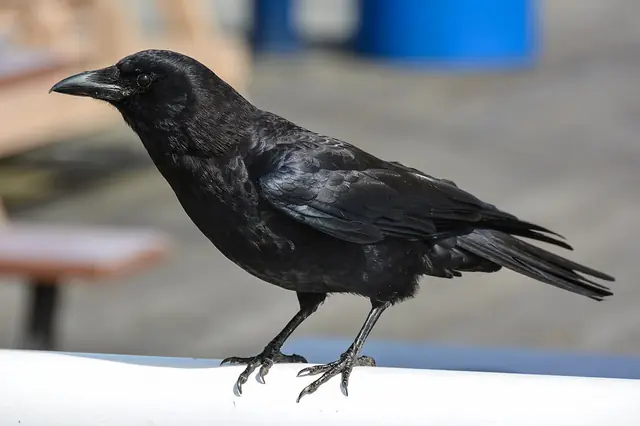
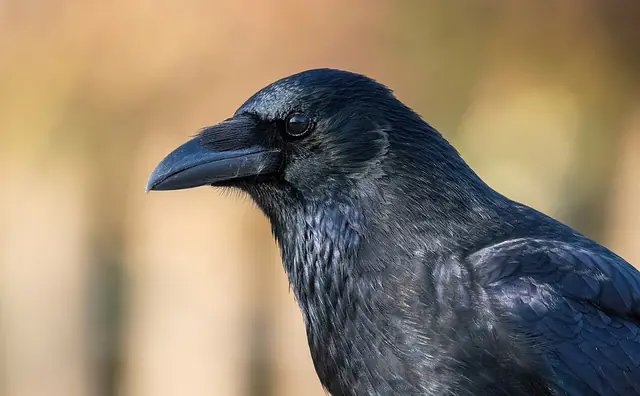
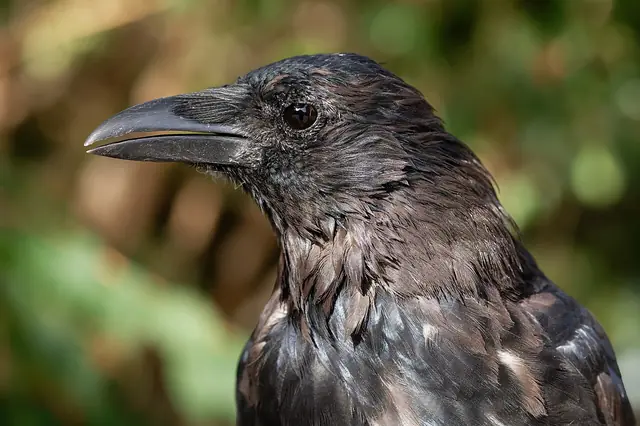
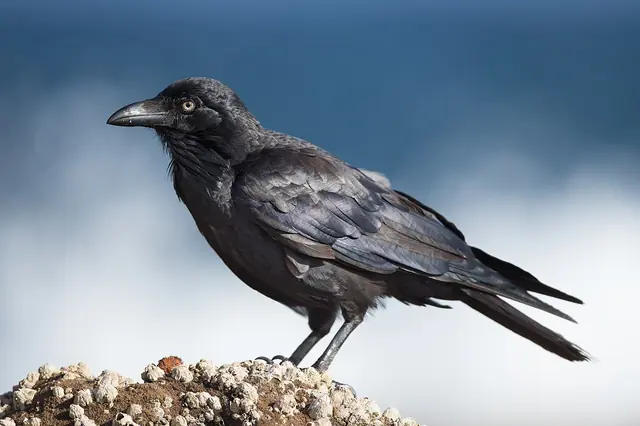
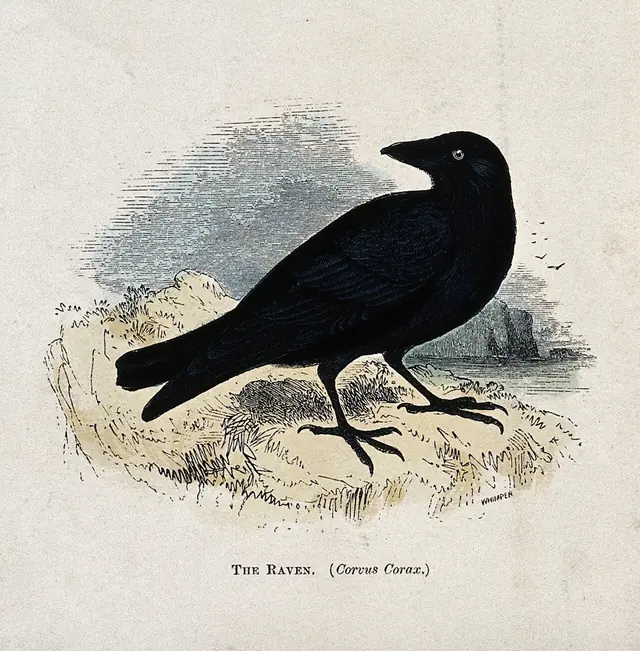
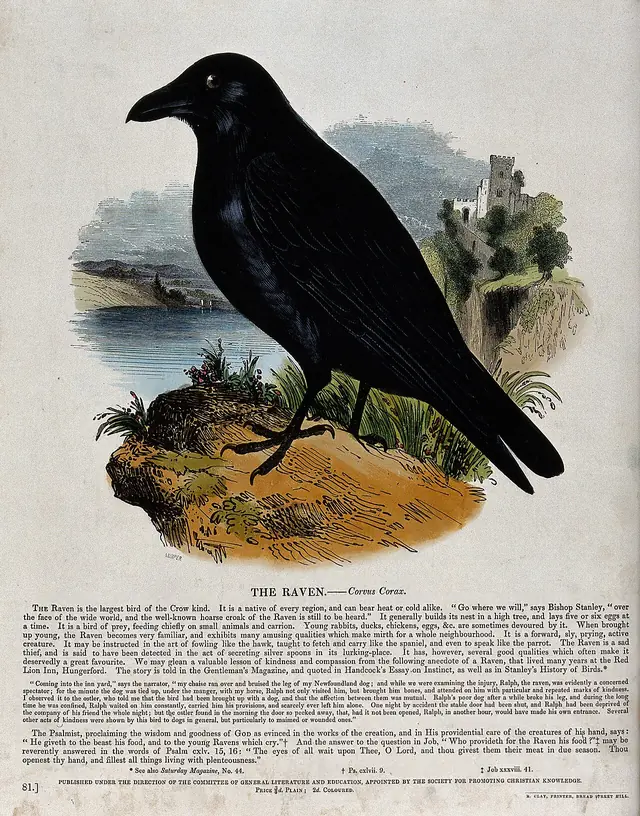
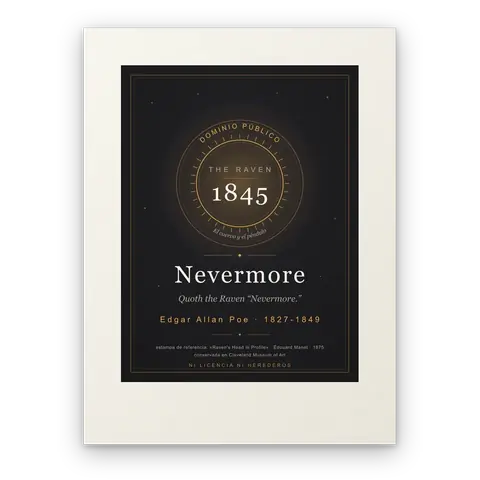
“The Raven” is the odd one out. The New-York Evening Mirror ran it on 29 January 1845 and was the first to put his name underneath; the American Review, which had bought it, dated its own version February and credited it to one “Quarles”. For the poem that made him famous the American Review paid him nine dollars; the fifteen sometimes quoted were the handout Graham's gave him after turning it down.
The inventory: what you actually see
Poe barely describes atmosphere. He describes objects, which is why he draws so well.
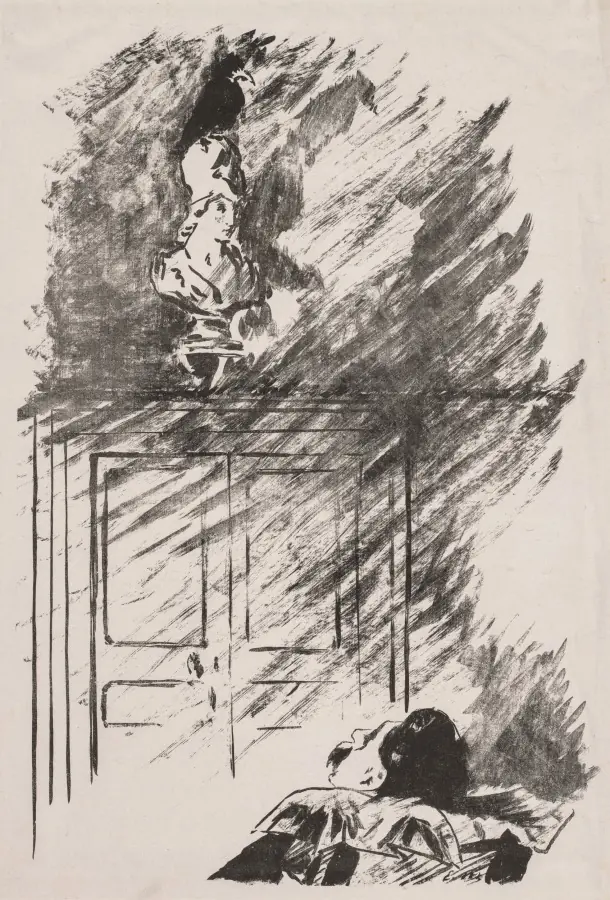
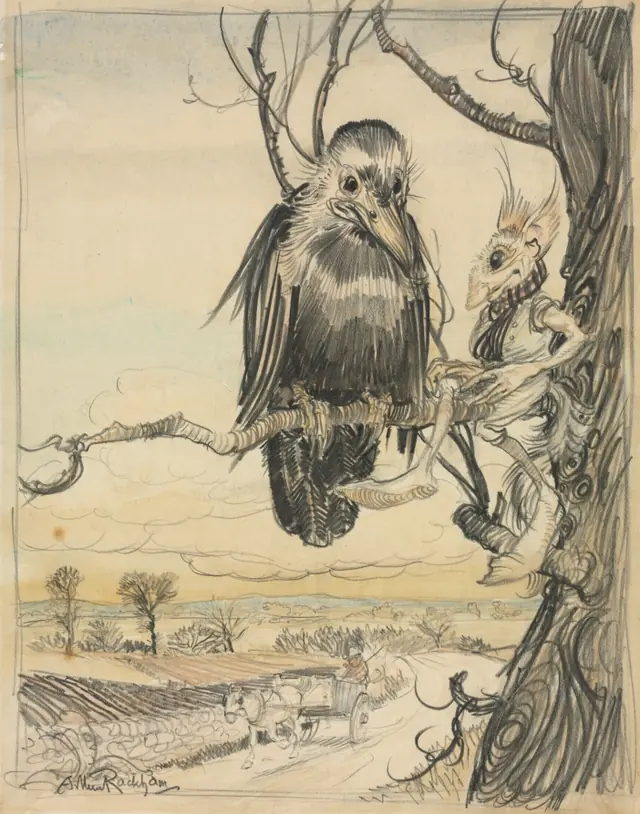
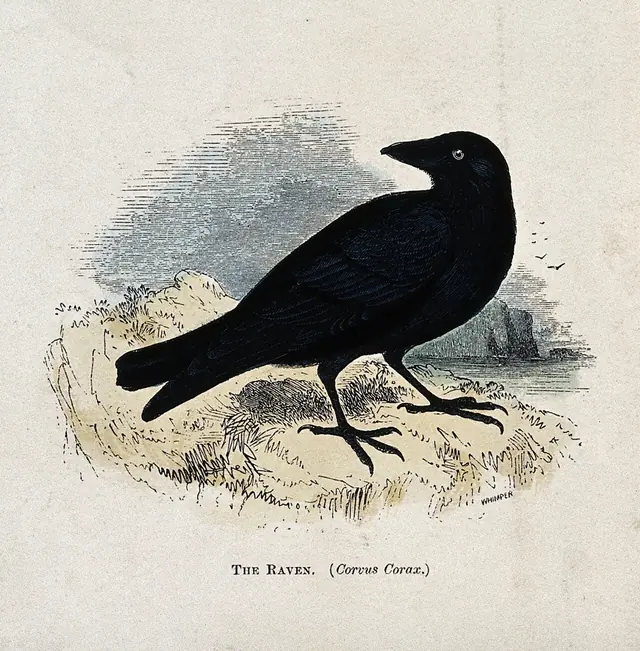
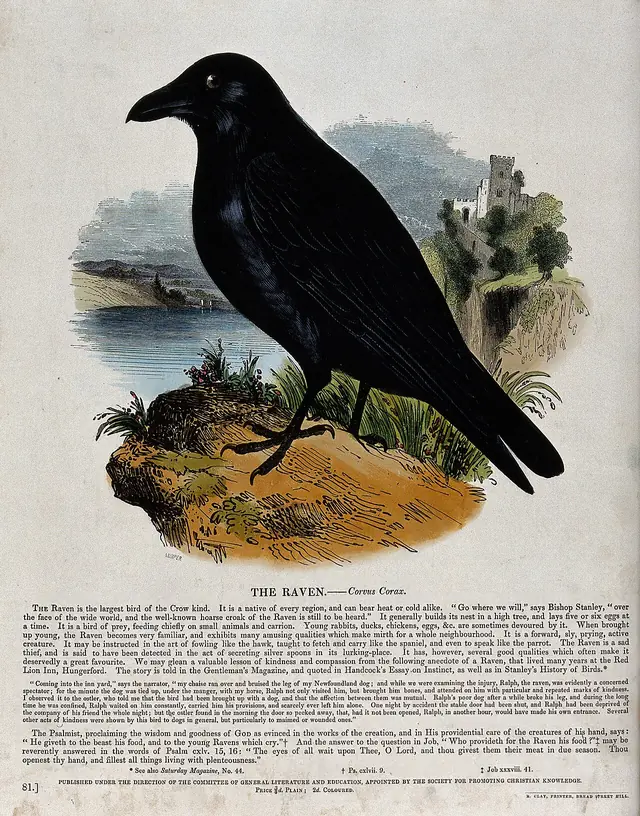
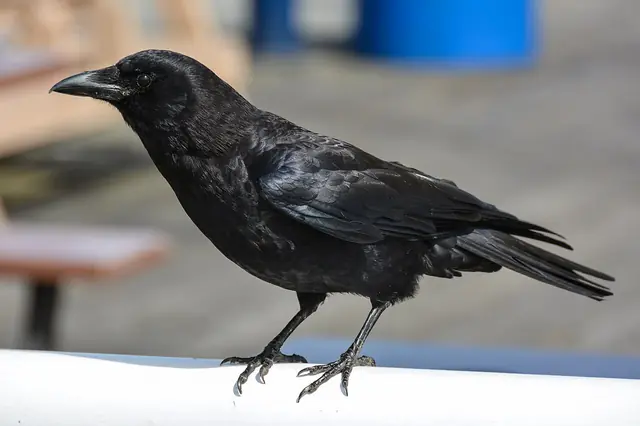
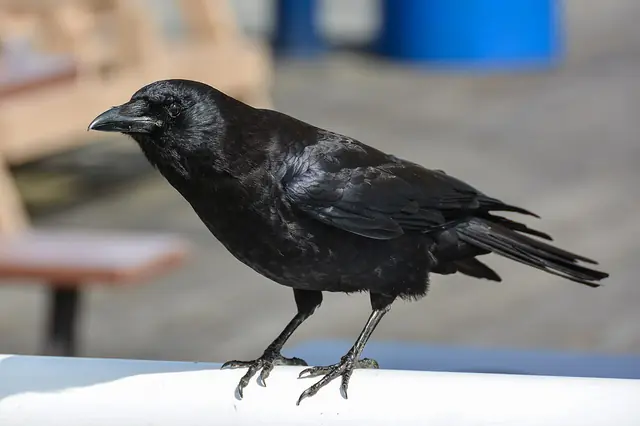
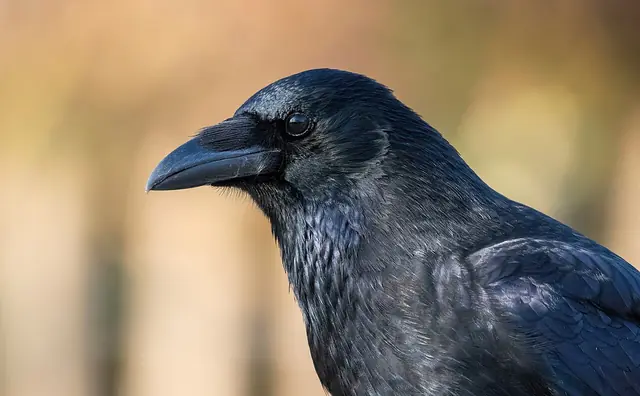
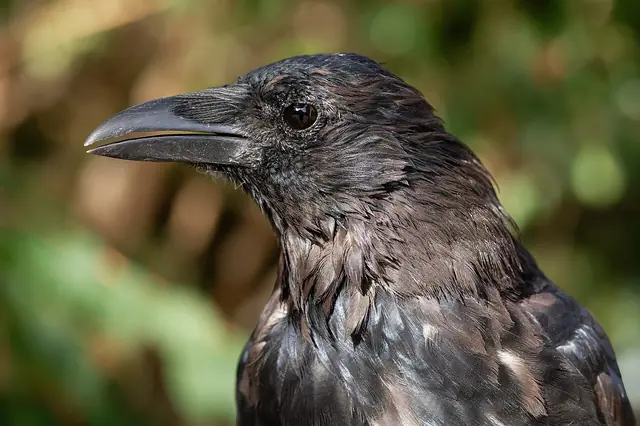
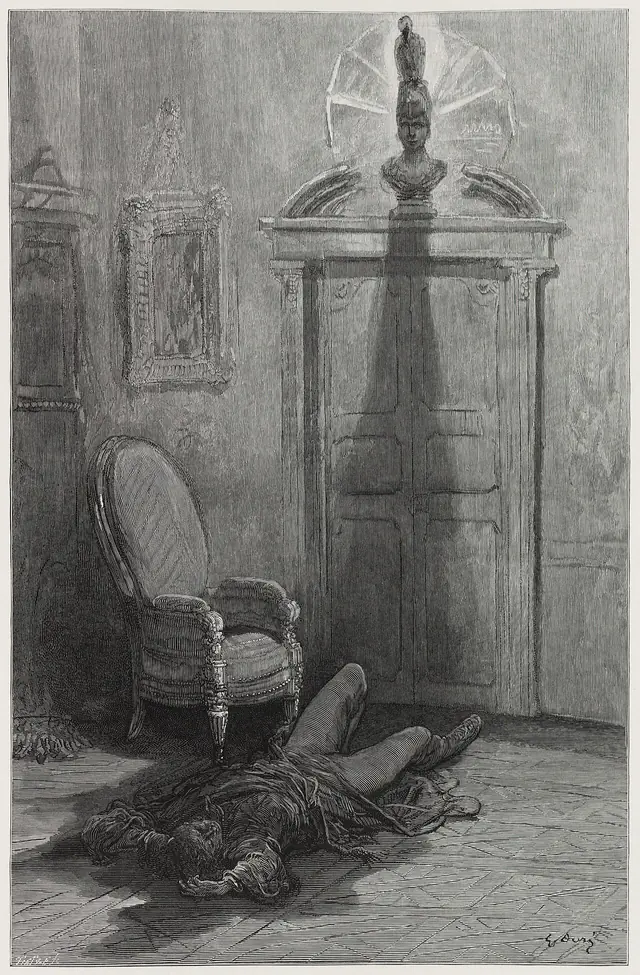
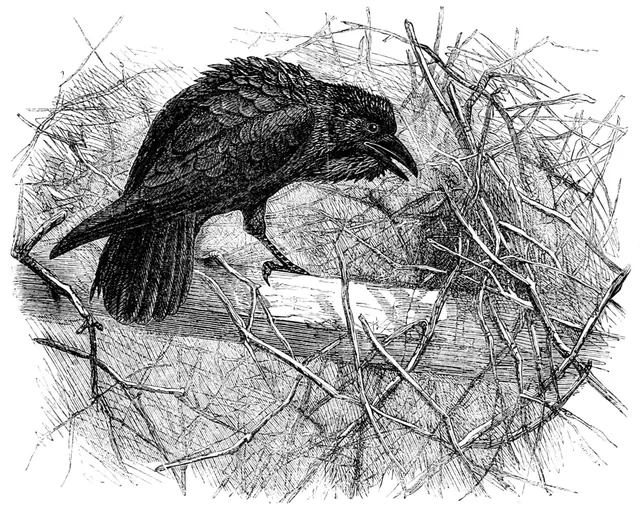
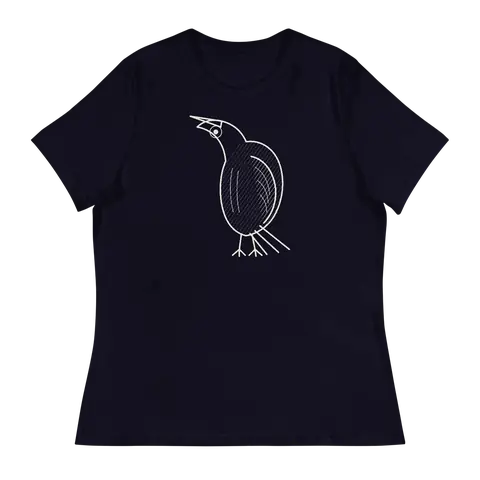
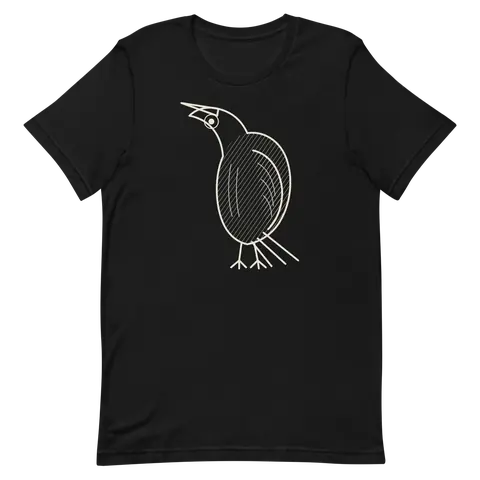
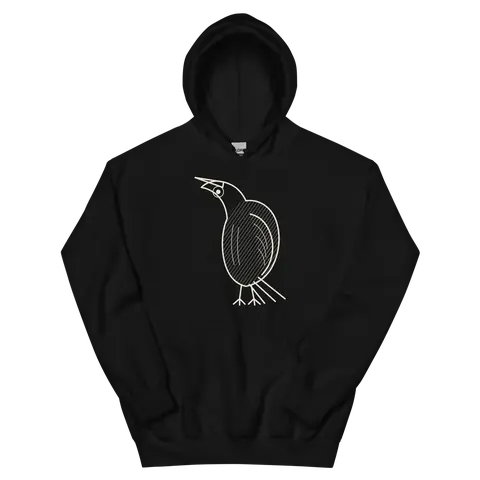
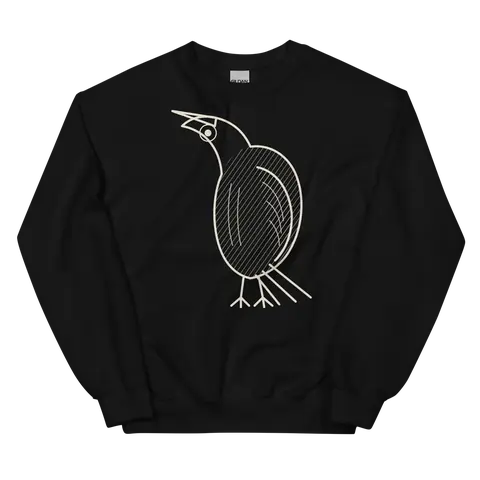
- The raven arrives on a midnight in December and perches on a bust of Pallas above the chamber door. The rest is dying embers and a name: Lenore.
- The old man's eye in “The Tell-Tale Heart” is pale blue with a film over it; the narrator calls it a vulture eye. And the dark lantern, opened by a single crack, night after night.
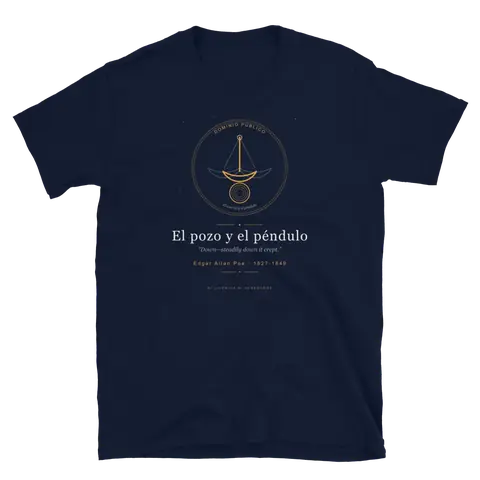
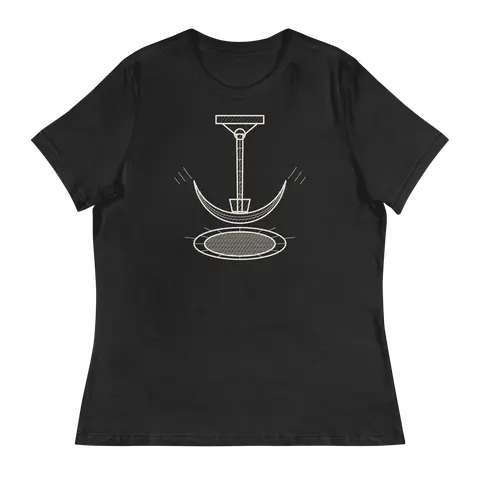
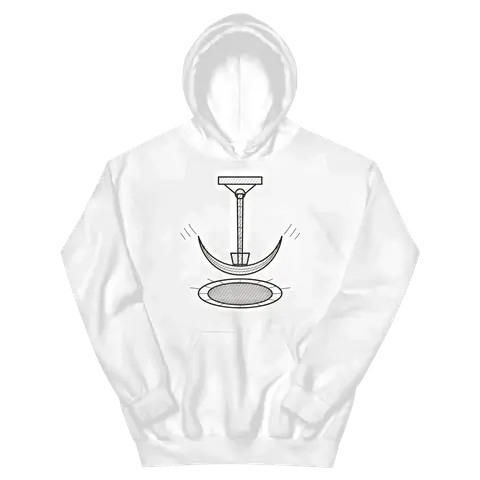
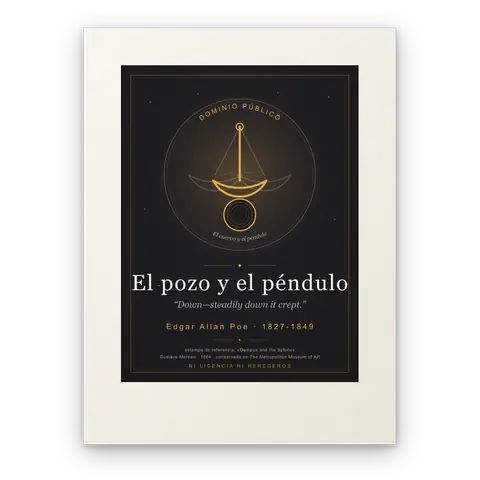
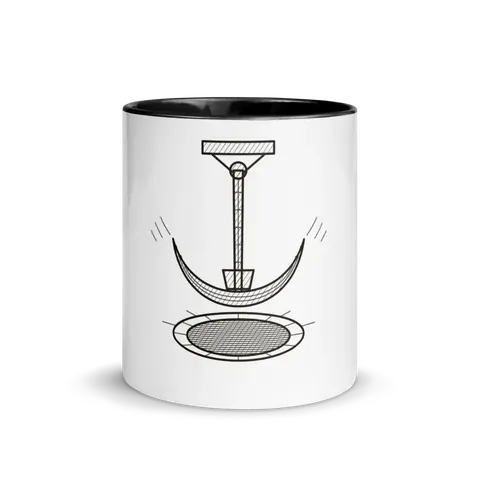
- The pendulum is not a clock's: it is a crescent of steel honed like a razor, coming down on a man strapped face up, rats around him and the pit waiting.
- “The Masque of the Red Death” is seven rooms in a row: blue, purple, green, orange, white, violet and black. In the last one, and only there, the panes are scarlet and a gigantic ebony clock stands at the far end.
- Fortunato goes down into the vault in motley and a cap of bells; Montresor carries a mason's trowel under his cloak, and his arms are a golden foot crushing a serpent.
- The gold-bug comes with parchment, a skull, a cipher and one unforgettable instruction: drop the beetle through the left eye socket of a skull nailed to a tulip tree.
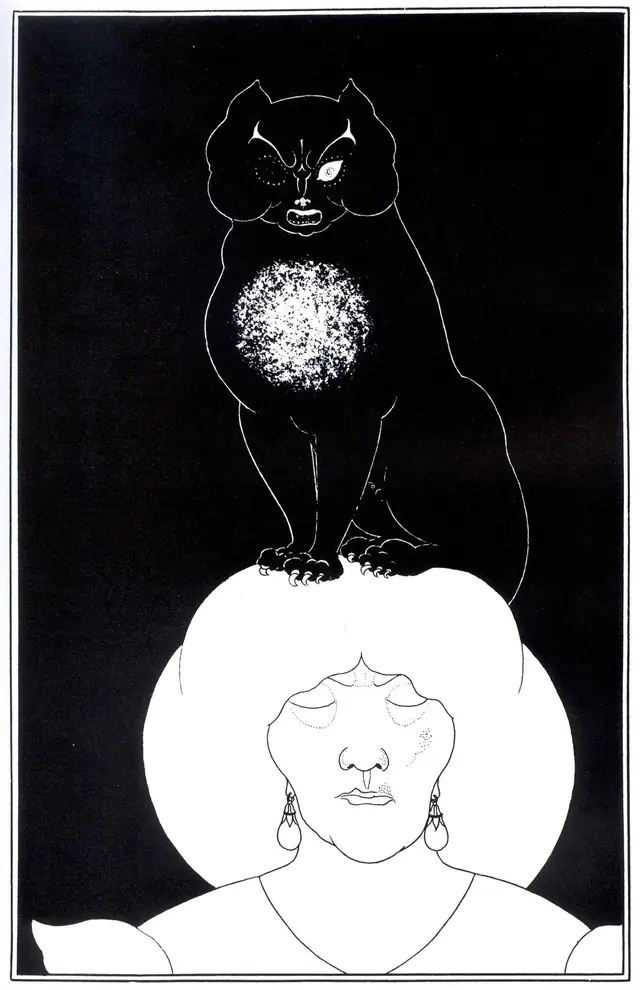
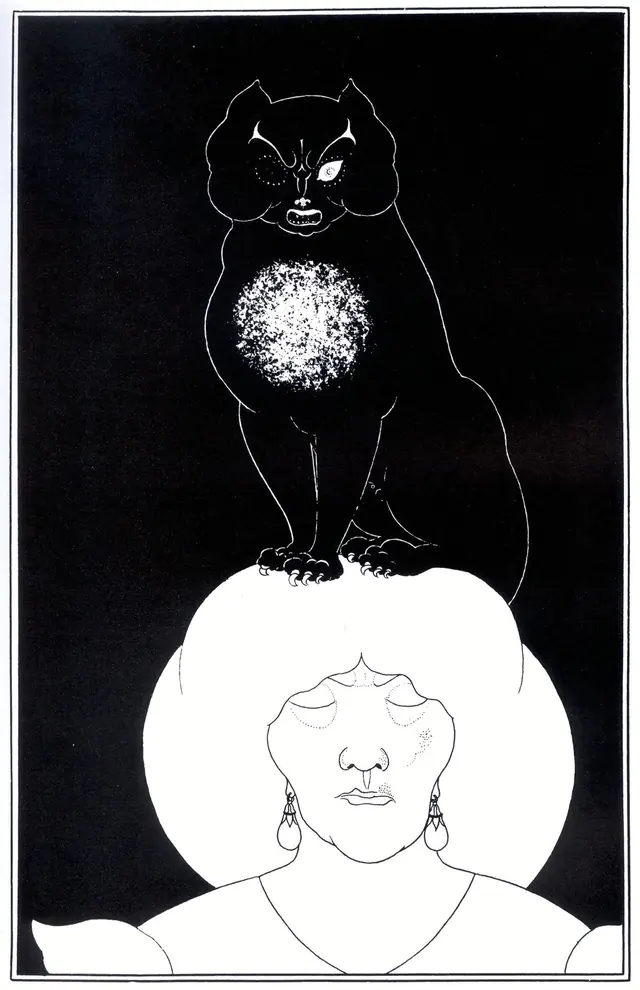
- Pluto the cat, one-eyed, and the second cat, with a white patch that slowly takes the shape of a gallows.
No sheets, no chains, no castles: furniture, tools and animals.
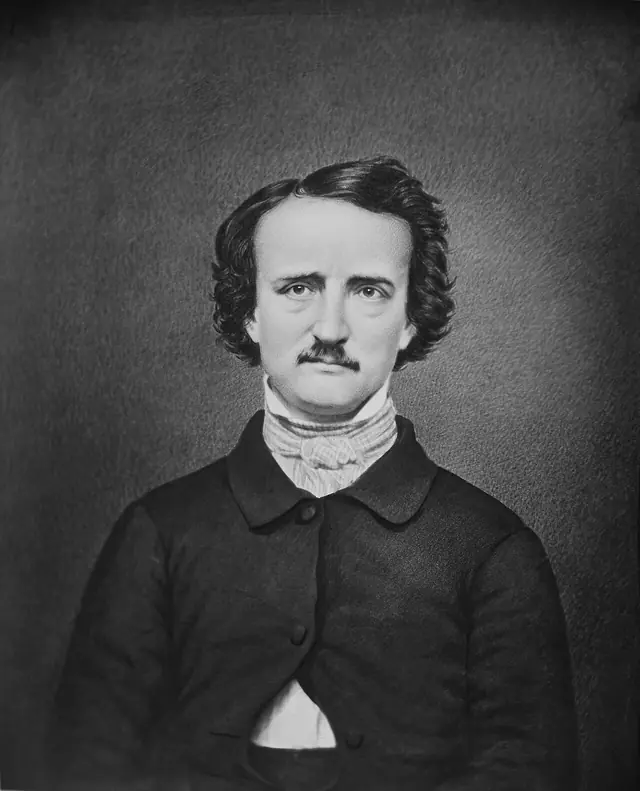
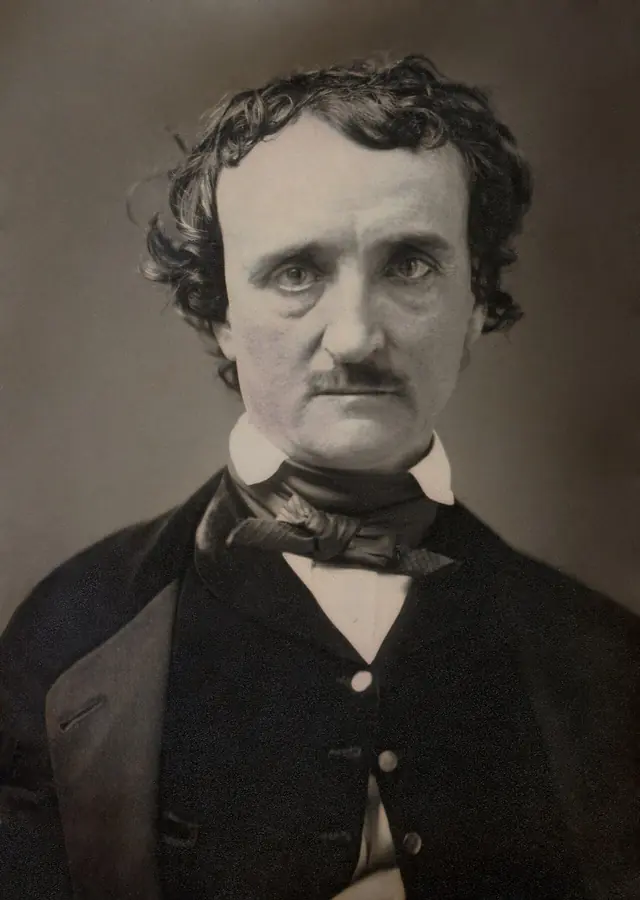
Manet, Doré and Clarke gave him a face
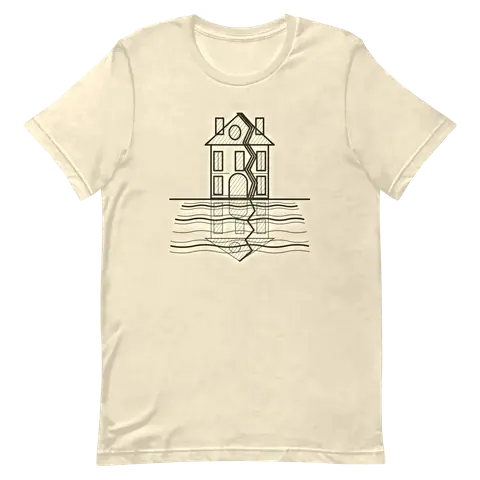
The drawings in this collection do not come from a film: they come from the prints that fixed the look of Poe before cinema existed.
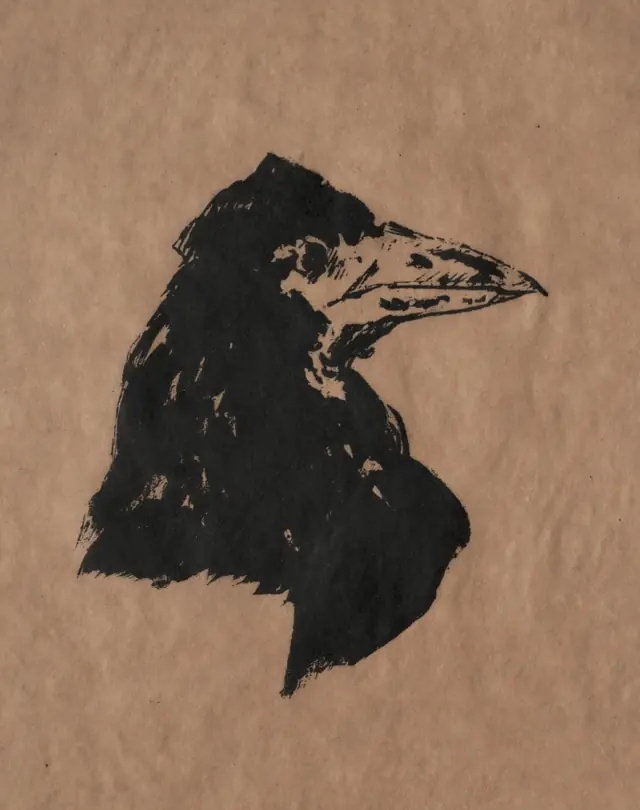
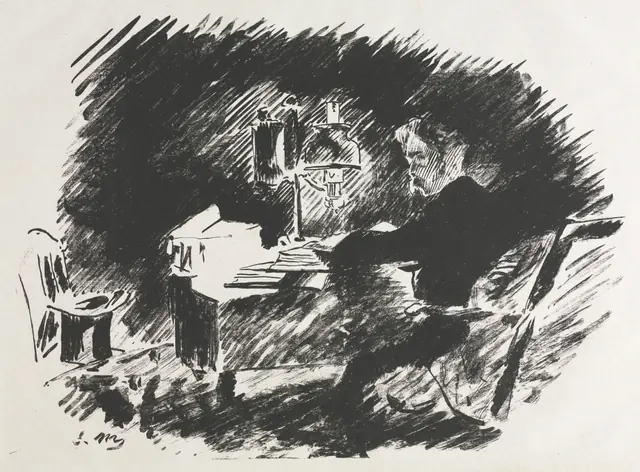
Édouard Manet illustrated Le Corbeau in 1875, working from Mallarmé's translation for the Paris publisher Richard Lesclide: six lithographs, four of them full-page, in a run of 240 copies. One is exactly the bird on the bust of Pallas.
Gustave Doré made 26 plates for the same poem and delivered them a few weeks before his death on 23 January 1883. It was his last commission. Harper & Brothers put fourteen engravers on the job and published it in 1884 in a run of 10,000 copies, big enough that the engravings had to be cut in steel rather than copper.
Harry Clarke, a Dublin stained-glass man, published his Tales of Mystery and Imagination in London in October 1919 for Harrap: 24 full-page plates and 12 vignettes, full of elongated, bristling figures that look as though they were drawn with a needle. The gaunt, twisted, spiky Poe is his doing.
From the House of Usher to Nevermore Academy
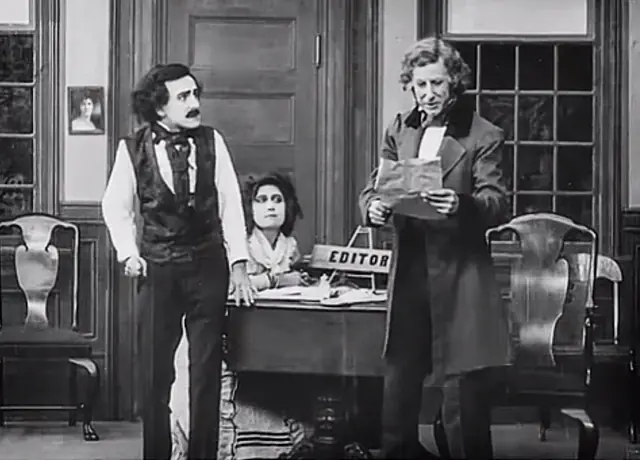
Cinema got there early. On 8 February 1909 Biograph released a D. W. Griffith short for the centenary of his birth, advertised with his name misspelled: Edgar Allen Poe. Jean Epstein's The Fall of the House of Usher (1928) was co-written with Luis Buñuel, who walked out halfway through after a row, and it adds a black cat, a grave bearing the name Ligeia and pieces of “The Oval Portrait” all on its own account.
In 1932 Universal released Robert Florey's Murders in the Rue Morgue, with Bela Lugosi and Karl Freund behind the camera: a consolation prize after both were taken off Frankenstein. In 1953 the UPA animated short The Tell-Tale Heart, narrated by James Mason, became the first cartoon to be given an X certificate in Britain.
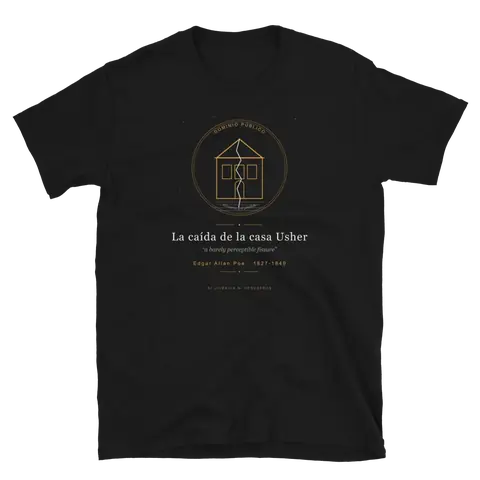
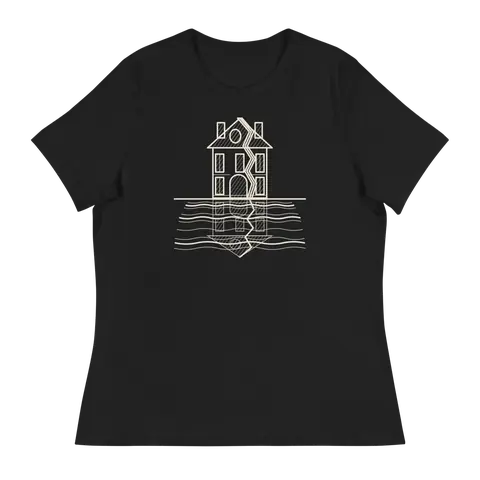
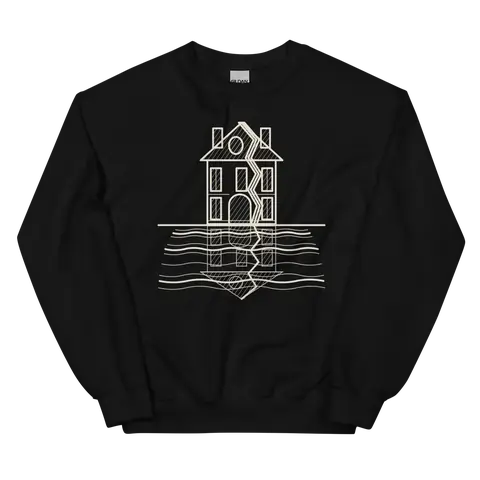
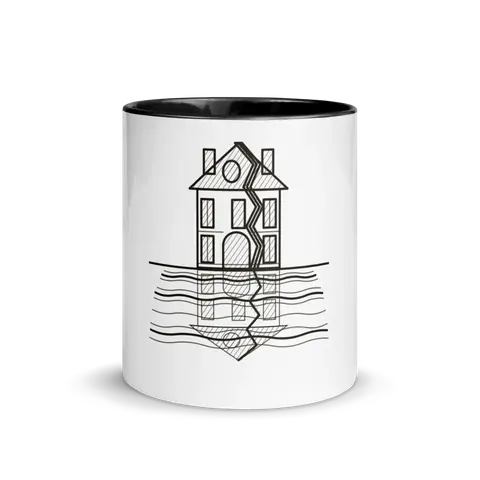
The popular image is Roger Corman's doing: eight films for AIP between 1960 and 1964, seven of them with Vincent Price. When the studio asked where the monster was in House of Usher (1960), shot in fifteen days, he answered that the house was the monster. The Masque of the Red Death (1964) was photographed by Nicolas Roeg, and you really do see the seven coloured rooms.
Then came Extraordinary Tales (2015), by the Spanish animator Raúl García, narrated by Christopher Lee, Guillermo del Toro and an archive recording of Bela Lugosi. The Pale Blue Eye (2022) takes its title from the eye in “The Tell-Tale Heart” and makes Poe a cadet at West Point, where he genuinely was between 1830 and 1831. And Mike Flanagan's The Fall of the House of Usher (Netflix, 12 October 2023) names each of its eight episodes after a story and calls the family's pharmaceutical company Fortunato.
And Wednesday (2022): the school is called Nevermore, the statue of Poe with a raven on its wrist hides a door with a riddle, and in the Poe Cup the teams compete dressed as the black cat, the pendulum, the amontillado and the gold-bug.
His best-selling book in life was about seashells
In 1839, for fifty dollars and no royalties, Poe lent his name to The Conchologist's First Book, a school manual of seashells: he wrote the preface, arranged the text and signed the title page. It was reprinted in 1840 and again in 1845, and it was the only book of his to reach a second American edition while he was alive. The man who invented the detective story sold more copies of a catalogue of molluscs than of his own tales.
And one more oddity. In his only novel, The Narrative of Arthur Gordon Pym of Nantucket (1838), four castaways draw lots over who will die and eat a sailor named Richard Parker. In 1884 the English yacht Mignonette went down, and two of the three survivors killed the cabin boy — seventeen years old, named Richard Parker — and the three of them ate him. The trial, R v Dudley and Stephens, is still taught in law schools: it settled that hunger is no defence to murder.