One book from 1705, another from 1838, a third from 1904
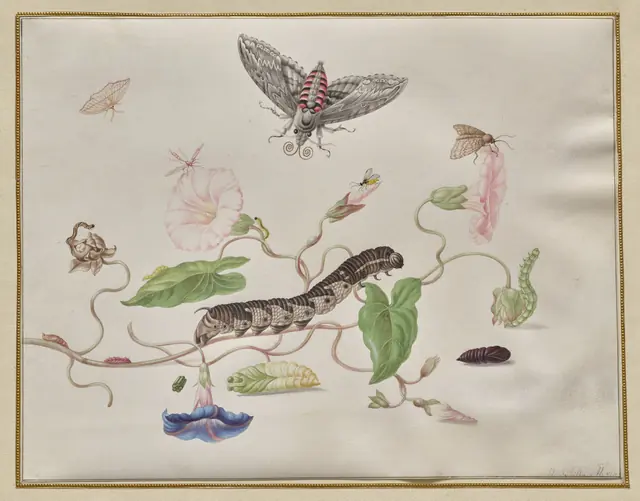
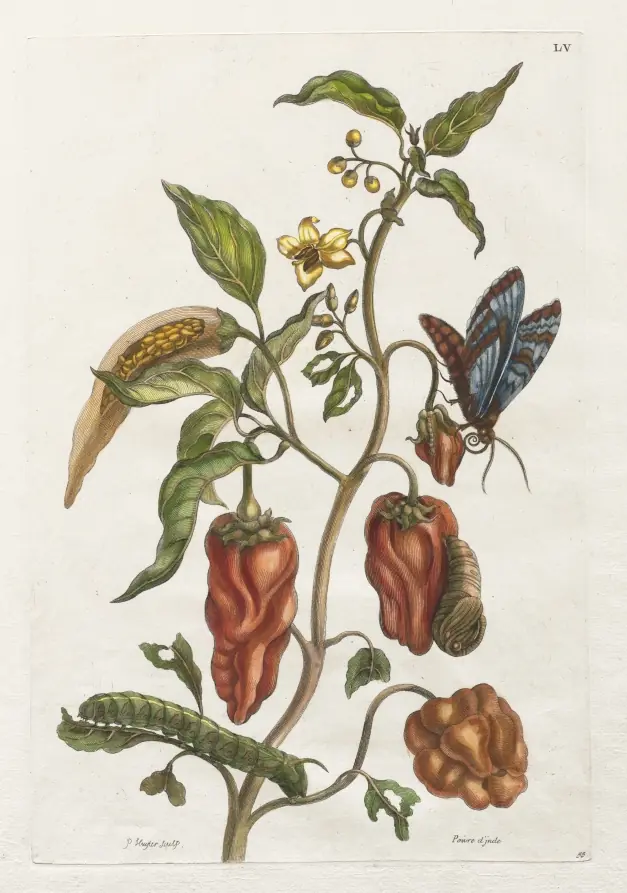
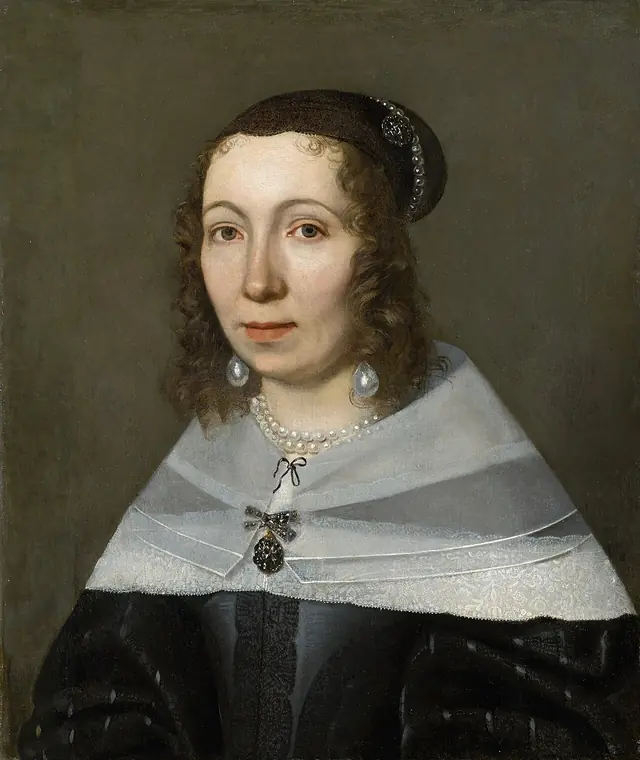
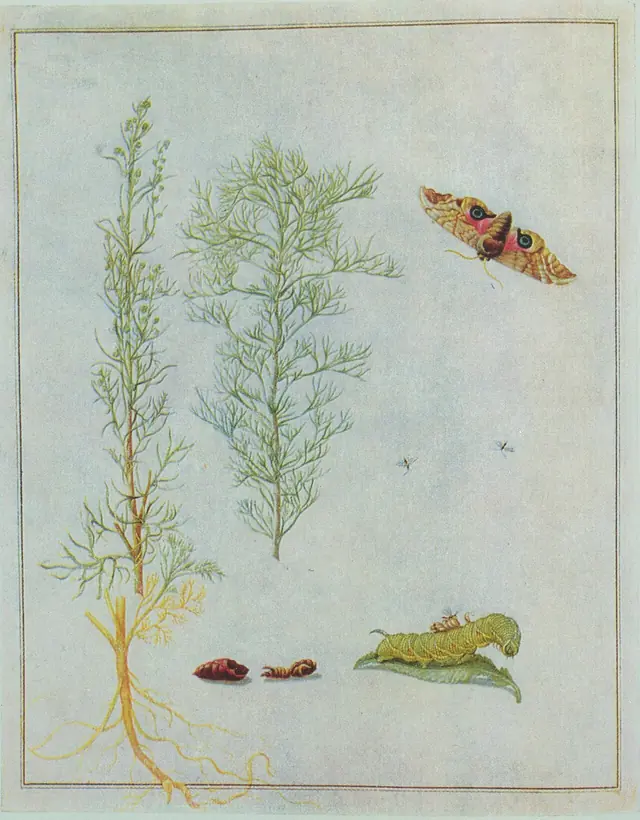
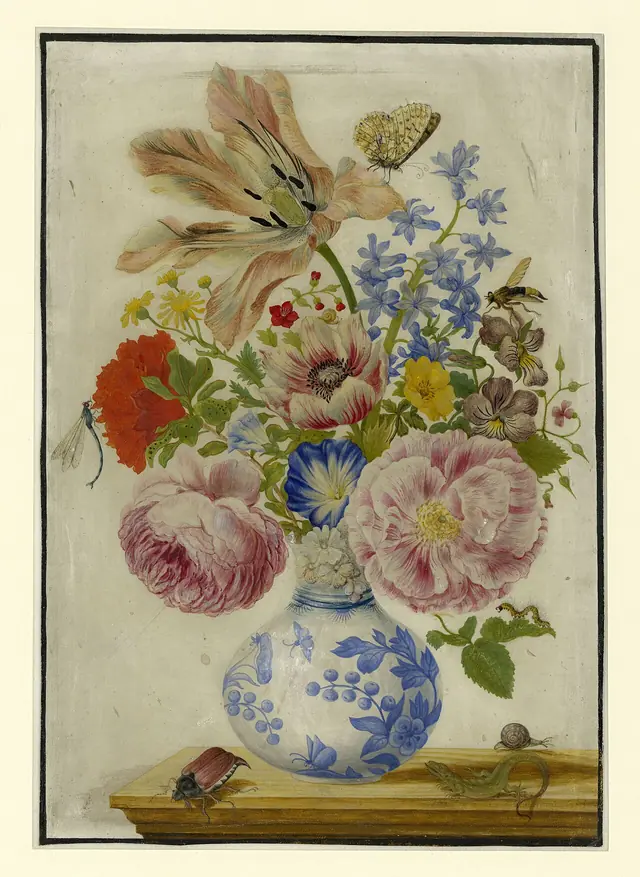
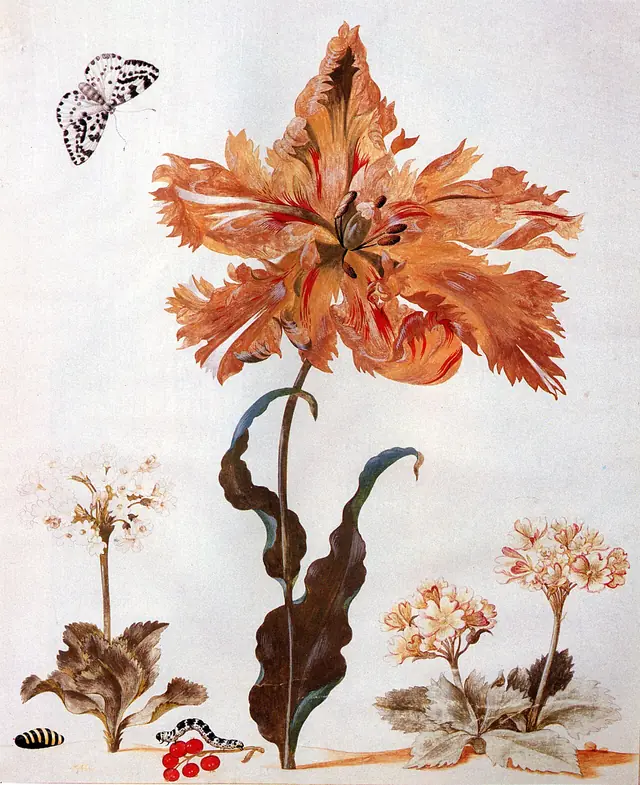
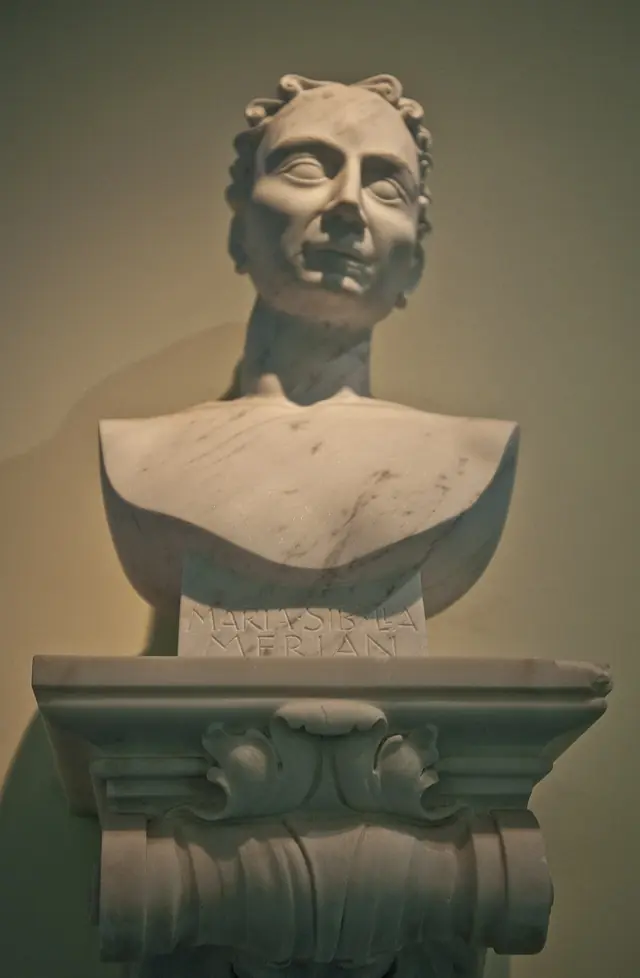
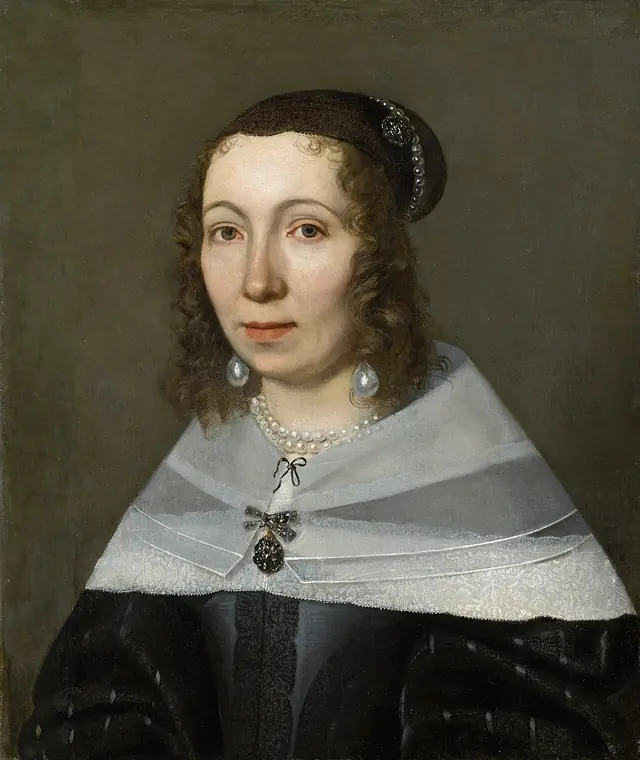
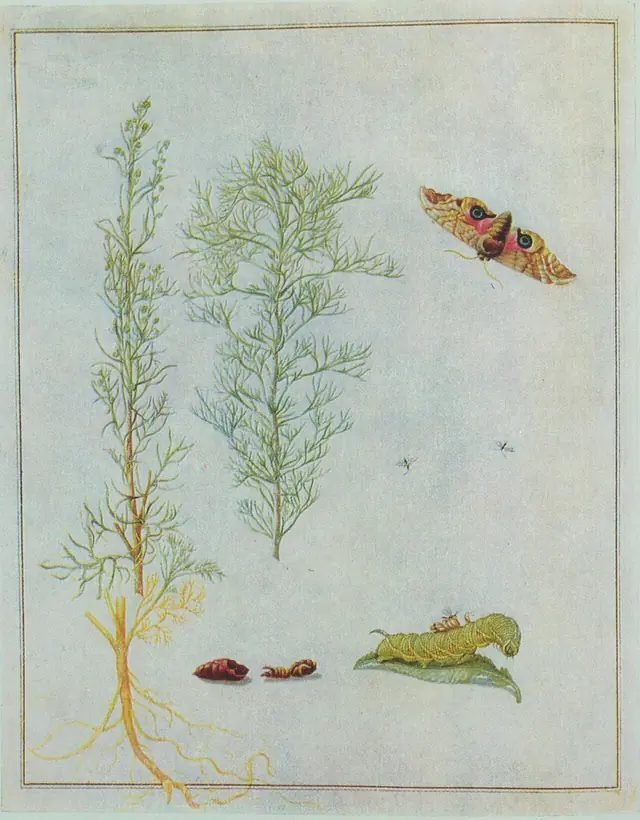
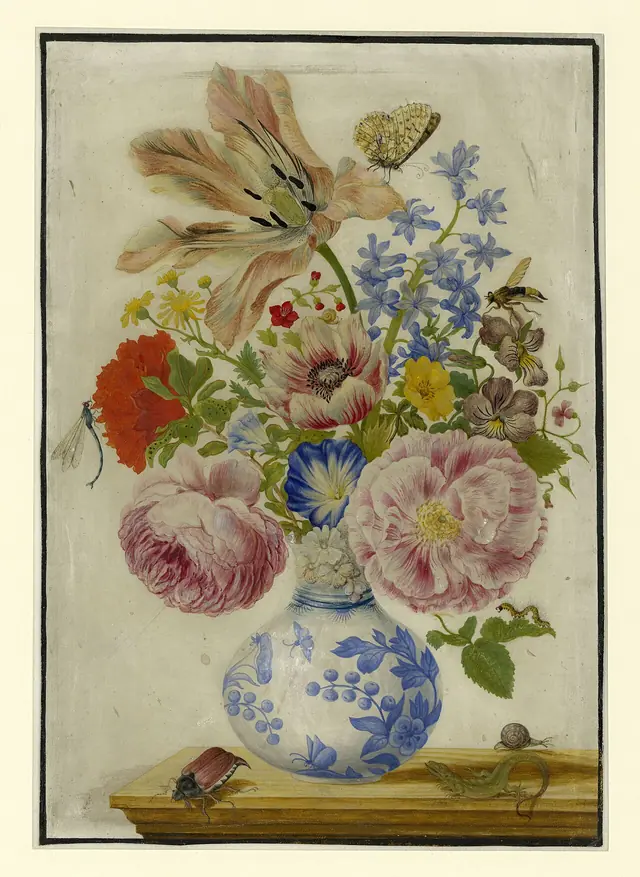
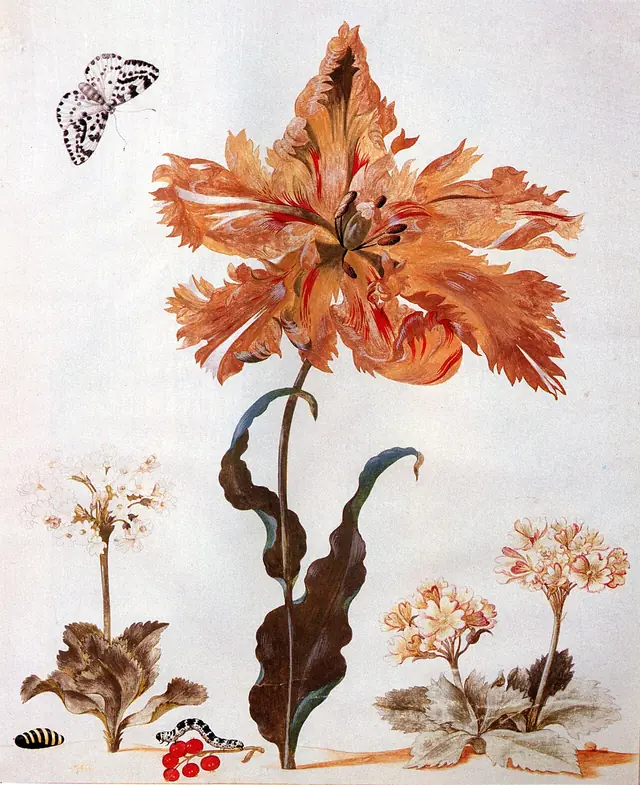
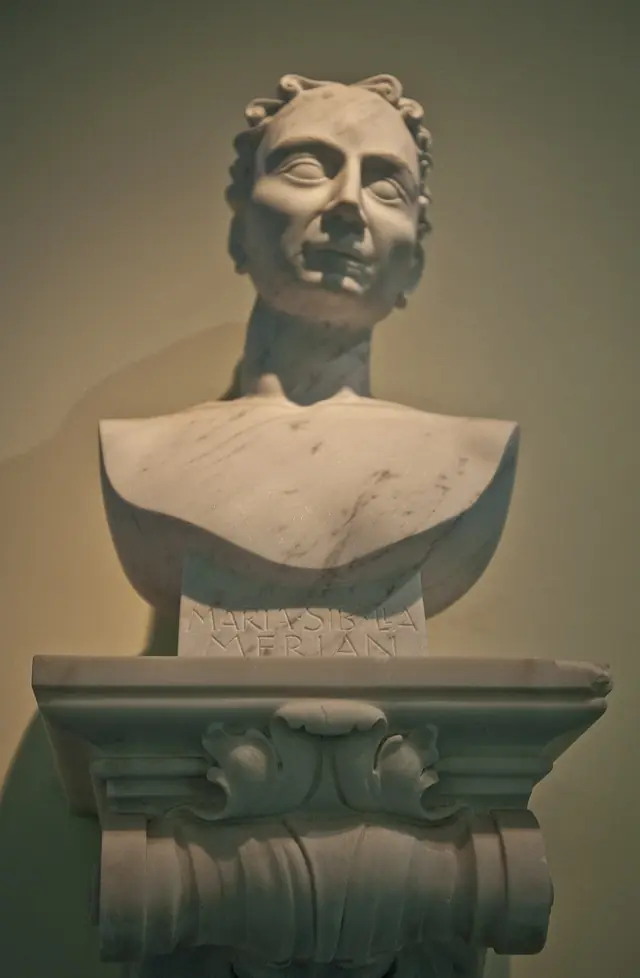
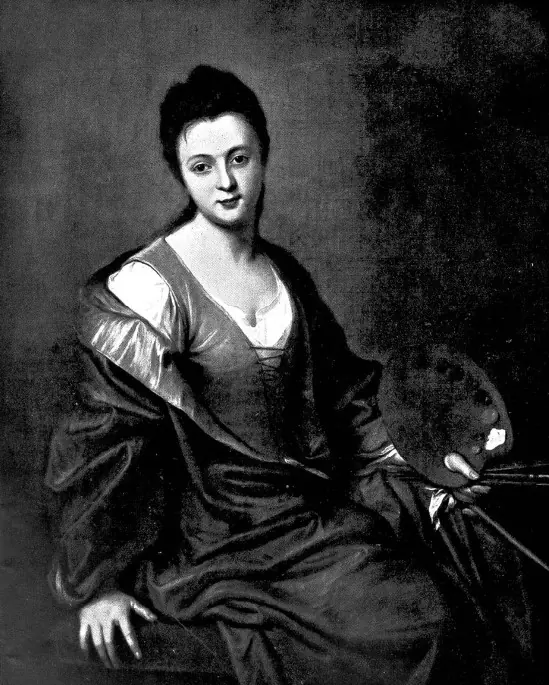
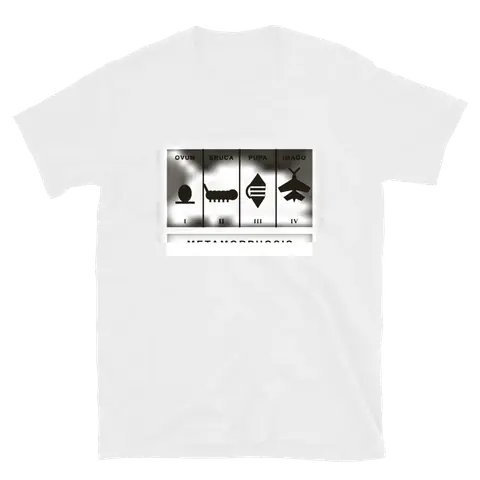
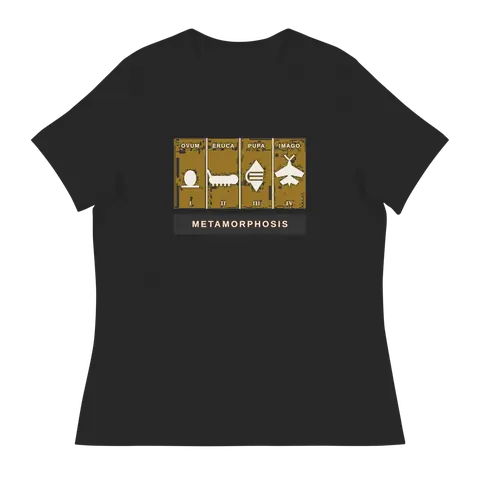
Maria Sibylla Merian sailed for Surinam in July 1699, aged 52, with her daughter Dorothea Maria. She paid for the voyage by selling her own collection. She came home in 1701 ill, probably with malaria, and in 1705 published Metamorphosis insectorum Surinamensium: sixty engravings in which, for the first time, each caterpillar sits on the particular plant it feeds on, beside the insect it is going to become. Until then creatures were drawn loose, like specimens in a cabinet.
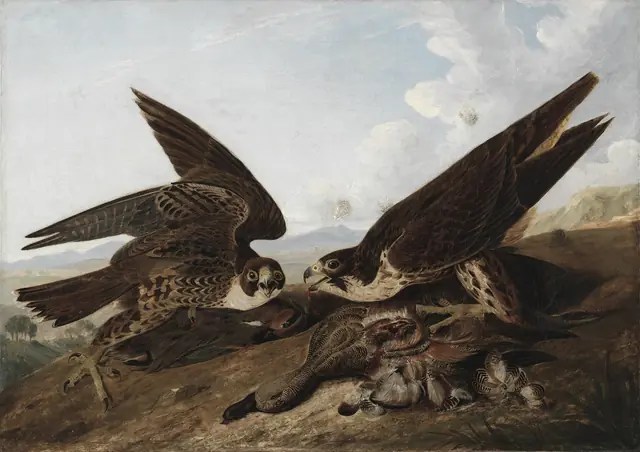
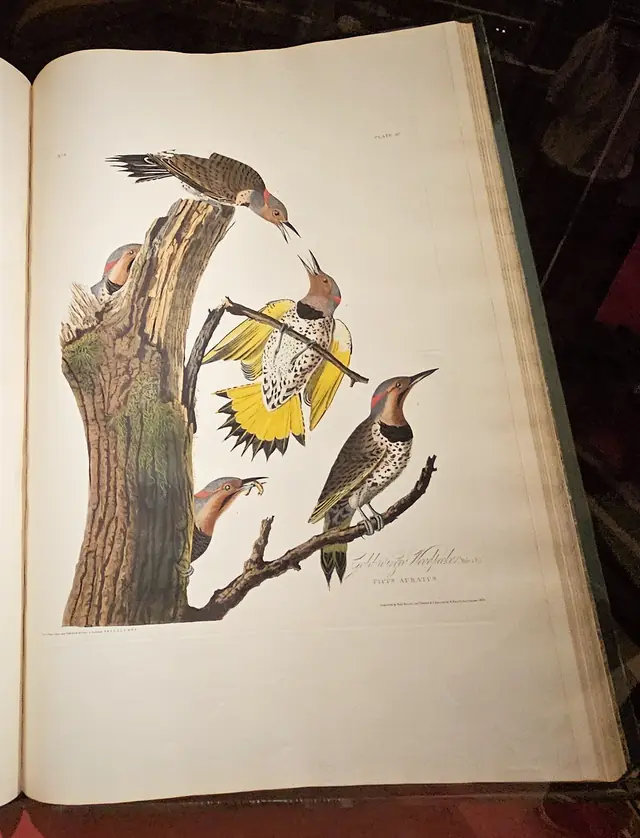
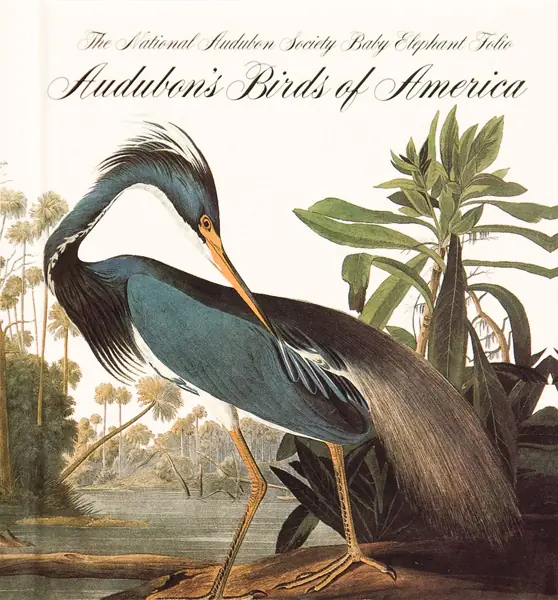
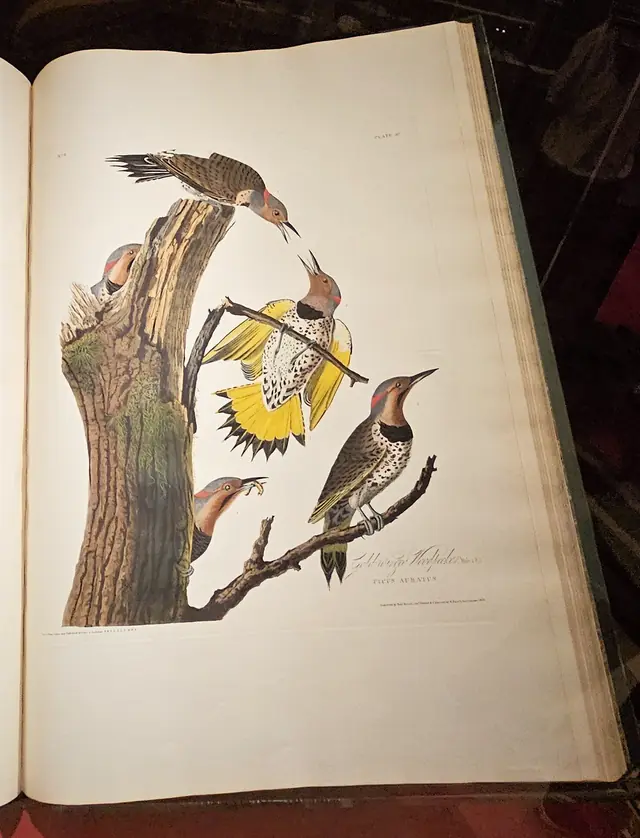
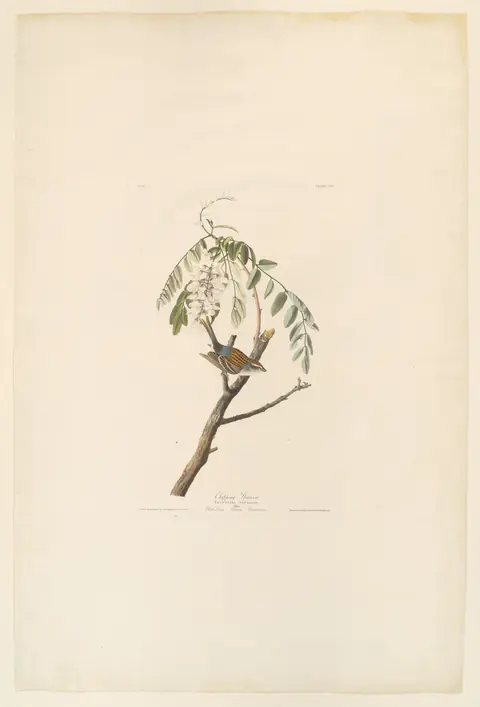
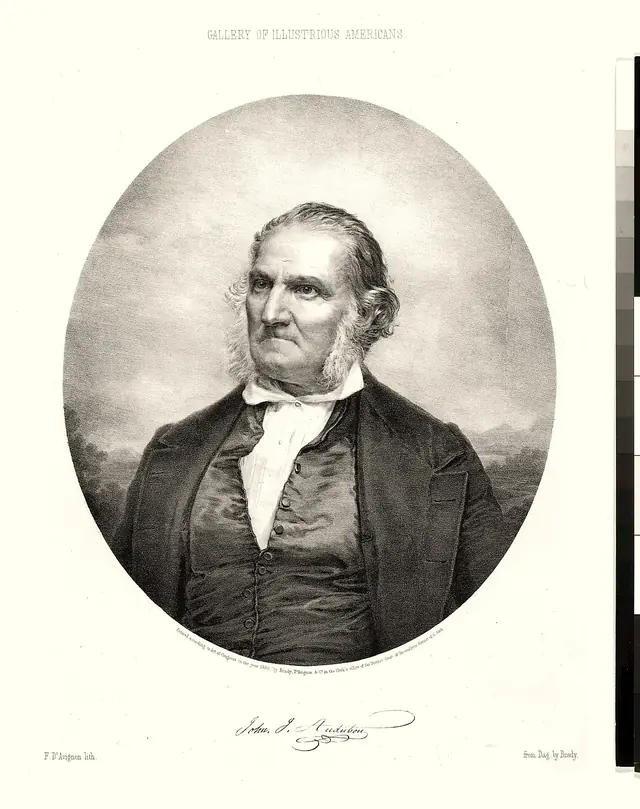
It took John James Audubon eleven years to bring out The Birds of America (1827-1838): 435 plates at double elephant size, Whatman sheets of roughly 100 x 72 cm, the largest paper being made. W. H. Lizars in Edinburgh began the first ten, until his colourists went on strike; Robert Havell Jr engraved the rest in London, and every impression was coloured by hand, one at a time. No more than 200 complete sets were ever assembled, and 120 are known today.
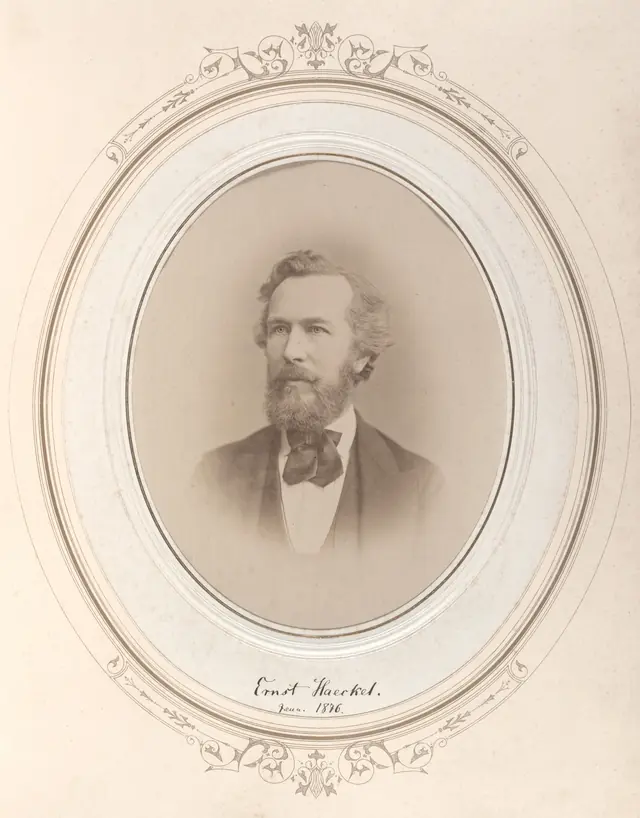
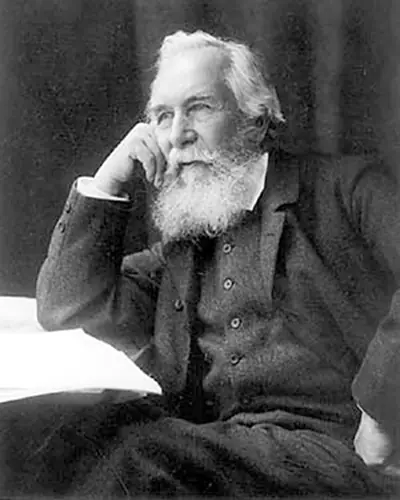
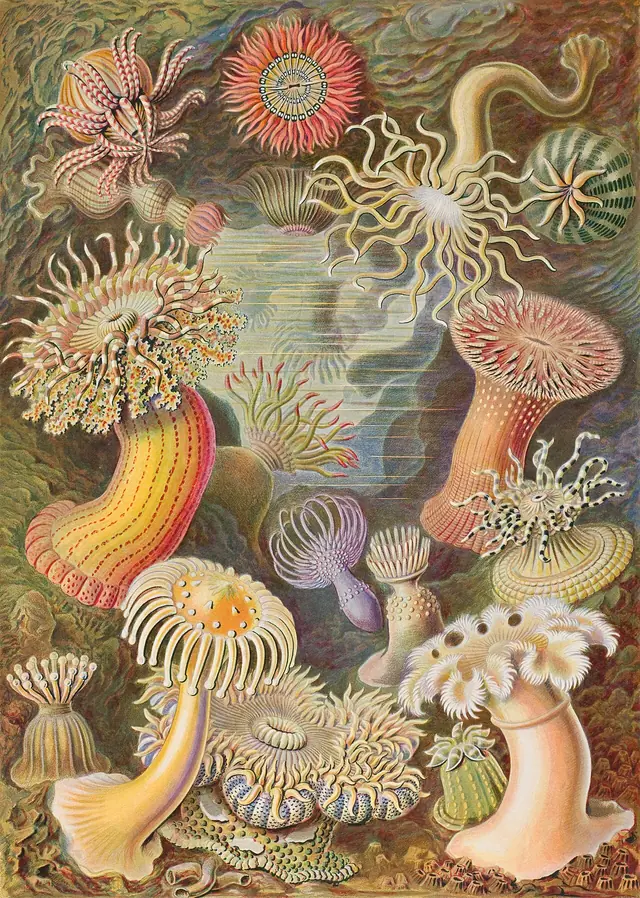
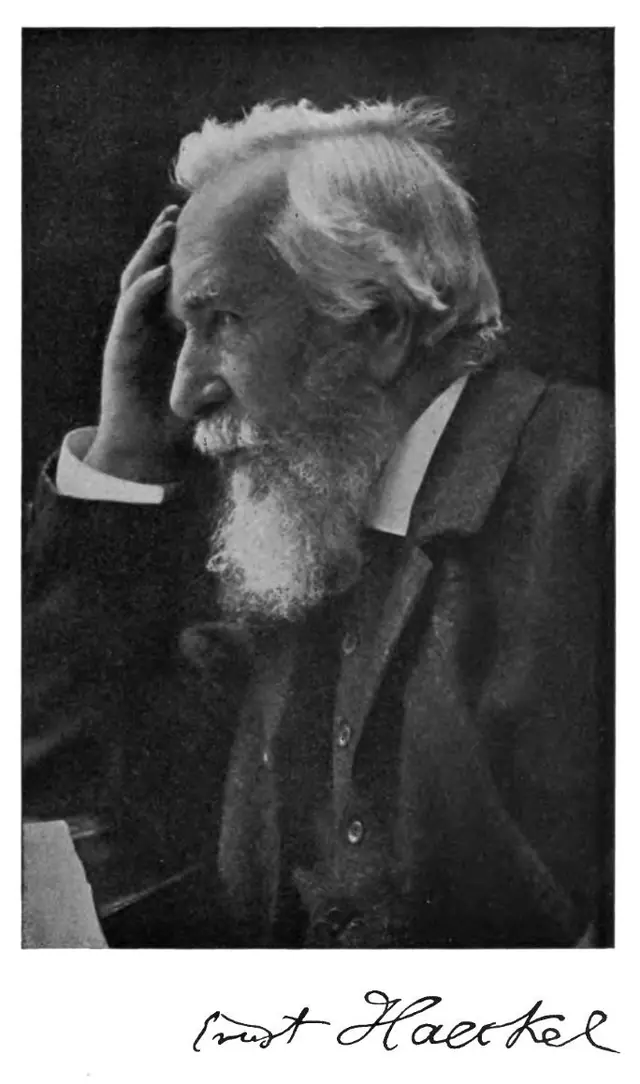
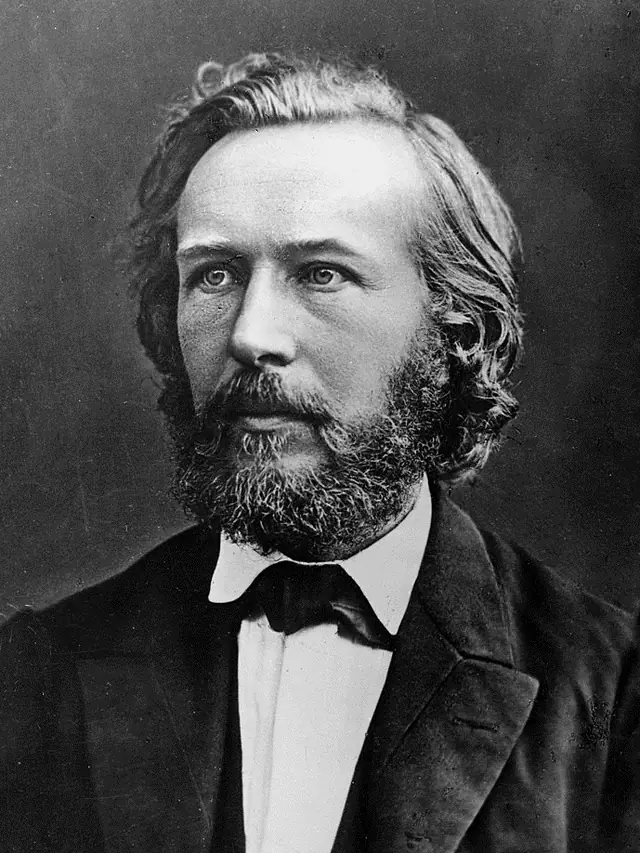
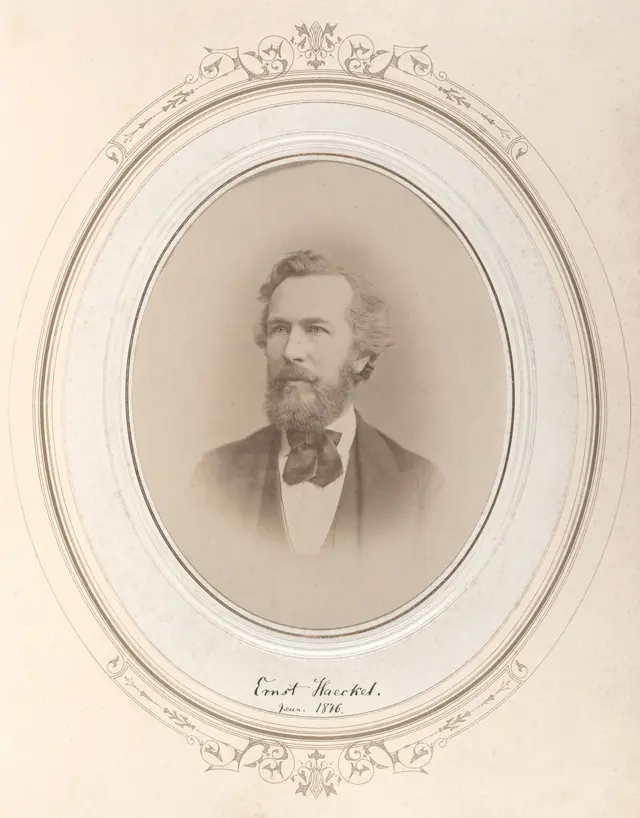
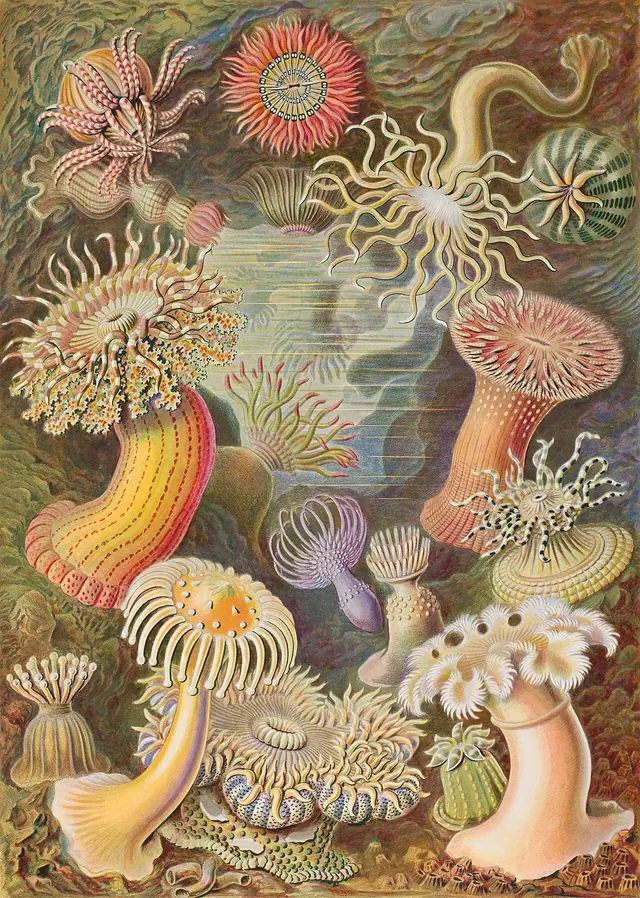
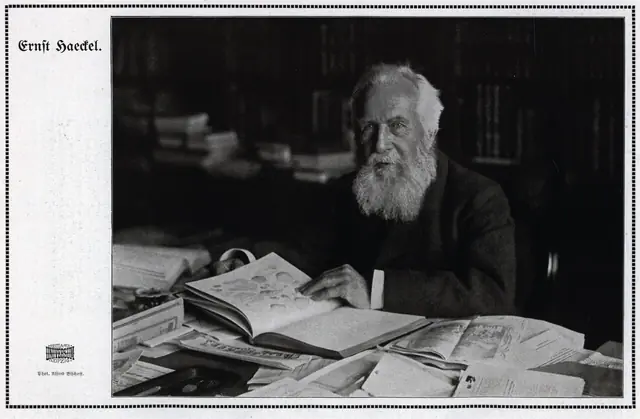
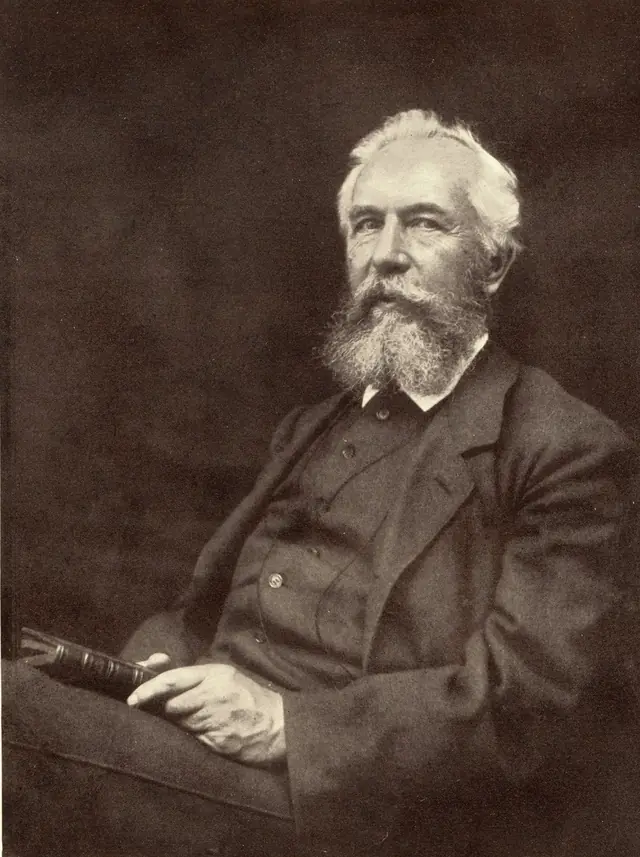
Ernst Haeckel published Kunstformen der Natur in ten parts of ten plates each, between 1899 and 1904. He drew and watercoloured; the Jena lithographer Adolf Giltsch transferred every drawing to stone. A hundred plates and not one scene: where Merian tells a story and Audubon stages a drama, Haeckel catalogues.
What you are actually looking at
Haeckel arranges. His hundred plates are rose windows on a dark ground: radiolarians — silica skeletons a millimetre across — siphonophores hanging like chandeliers, jellyfish, diatoms, bryozoans, lichens, ferns, orchids, bats, tortoises and antelopes, every one laid out by radial or bilateral symmetry. They look like stained glass, and stained glass is what they became: Art Nouveau looted the book wholesale.
Audubon does the opposite. One species per plate, life size and often mid-violence. His method was brutal and highly effective: he shot the bird, pinned it with sharpened wires to a squared board until it held a lifelike posture, then copied it square by square onto paper ruled with the same grid. Stuffed specimens struck him as dead in colour.
Merian puts the whole chain into one image. On plate 18 a pinktoe tarantula (Avicularia avicularia) is eating a ruby-topaz hummingbird. For more than a century it was taken for invention: the Reverend Lansdown Guilding, who never set foot in Surinam, dismissed it as an "entomological caricature". She was the one who was right.
And six of Audubon's birds no longer exist: the Carolina parakeet (plate 26), the passenger pigeon (62), the Labrador duck (332), the great auk (341), Bachman's warbler — declared extinct by the United States in October 2023 — and the heath hen, the eastern subspecies of the prairie chicken, last seen in 1932. Two more have gone decades without a confirmed sighting yet remain officially undeclared: the Eskimo curlew (208) and the ivory-billed woodpecker (66), which the US government proposed writing off as extinct in 2021 and then, in 2023, chose to keep on the list. The last captive passenger pigeon died at Cincinnati Zoo in 1914; the last Carolina parakeet, at the same zoo, in 1918. Audubon never saw a living great auk: he painted it from a stuffed specimen he bought in London.
The jellyfish that carried his wife's name
Haeckel married Anna Sethe in 1862. She died suddenly on 16 February 1864, the day he turned thirty; they had been married a year and a half. Darwin wrote urging him to work hard "to banish, as far as may be possible, painful recollections", and that is what he did: he shut himself away with the microscope.
Over the following years he named two jellyfish after her: Mitrocoma annae and Desmonema annasethe. The second is the one running down the diagonal of plate 8 of Kunstformen der Natur. Haeckel said its golden filaments reminded him of Anna's hair. It is a widower's portrait dressed up as a scientific plate, and today it sells framed in homeware shops with almost nobody aware of what they are hanging on the wall.
From plate to frame
The most literal case is Proteus: A Nineteenth Century Vision (David Lebrun, 2004): sixty minutes of animated documentary whose images come entirely out of nineteenth-century engravings, drawings and paintings, with Haeckel's radiolarians as the central material. It tells the story of Haeckel's life, the Challenger expedition and pieces of Coleridge's The Rime of the Ancient Mariner, but it tells it with the plates themselves: it does not discuss them, it is made of them.
What cinema really inherited, though, is the method. Before art departments existed, the architect Rene Binet raised the Porte Monumentale of the 1900 Paris Exposition Universelle — some 192 tonnes of metal — by copying the structure of one of Haeckel's radiolarians, Clathrocanium reginae. Taking a millimetre-long organism and building it the size of a building is exactly the job.
Jordan Peele did it in Nope (2022). He hired Kelsi Rutledge, a UCLA biologist who had just described a new species of guitarfish, Pseudobatos buthi, to make the creature plausible: he wanted an animal that hypnotised its prey the way a cuttlefish does. Jean Jacket ended up half Neon Genesis Evangelion angel, half bigfin squid, and with a binomial of its own: Occulonimbus edoequus, "hidden dark cloud horse-eater".
James Cameron had done the same thing on Avatar (2009): he signed up the botanist Jodie Holt, of UC Riverside, to give Latin names, descriptions, ecology and distribution to 55 plants of Pandora. The catalogue was published as the Pandorapedia. Holt summed it up better than anyone: "the plants are fake, the science is real".
Wes Anderson and Noah Baumbach went the other way and invented the fauna of The Life Aquatic with Steve Zissou (2004) — the crayon ponyfish, the sugar crabs, the jaguar shark — for Henry Selick to build in stop motion; the shark puppet was three metres long and was animated upside down so that it hung against gravity as though floating. It is a natural history cabinet that never existed, assembled with the old grammar: new beast, name, entry.
And Merian's own logic — metamorphosis as plot — comes back in The Silence of the Lambs (1991). Buffalo Bill breeds Acherontia styx, the death's-head hawkmoth, and places the pupa in his victims' throats. The poster finished the job: the skull on the moth's thorax is not a skull, it is In Voluptas Mors, by Salvador Dali and Philippe Halsman, seven naked women arranged in the shape of a cranium.
Why it can be used without asking permission
Spain does not have one rule, it has two. Authors who died before 7 December 1987 fall under the Spanish Intellectual Property Act of 1879, which granted 80 years after death; those who died later get 70. The fourth transitional provision of the consolidated text of the Spanish Intellectual Property Act, still in force, keeps it that way. The term runs from 1 January of the year following the death, so in 2026 every author who died in 1945 or earlier is free.
Merian died in Amsterdam on 13 January 1717. Audubon, in New York on 27 January 1851. Haeckel, in Jena on 9 August 1919: his plates entered the public domain on 1 January 2000. The engravers tie nothing up either, because in works like these the rights are the author's and, in any case, Robert Havell died in 1878 and Adolf Giltsch in 1911.
Being free is not why you buy the shirt. It is only why the shirt exists.
![Chipping Sparrow. Fringilla socialis [current name: Chipping Sparrow. Spizella passerina], from "The Birds of America," plate CIV](/img/museo/historia_natural-8696ef0dec.jpg?w=640)
![Hooded Warbler. Sylvia mitrata [current name: Hooded Warbler. Wilsonia citrina], from "The Birds of America," plate CX](/img/museo/historia_natural-24cd3d3178.jpg?w=640)