
A writer paid by the instalment
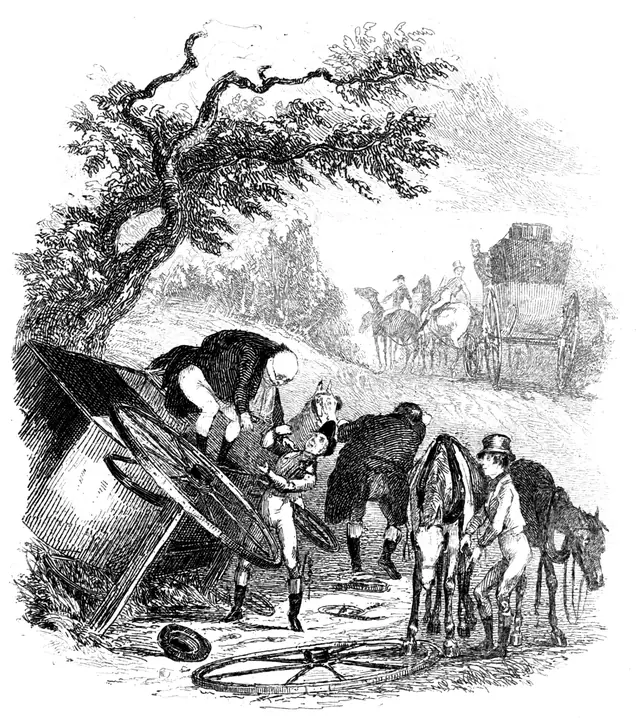
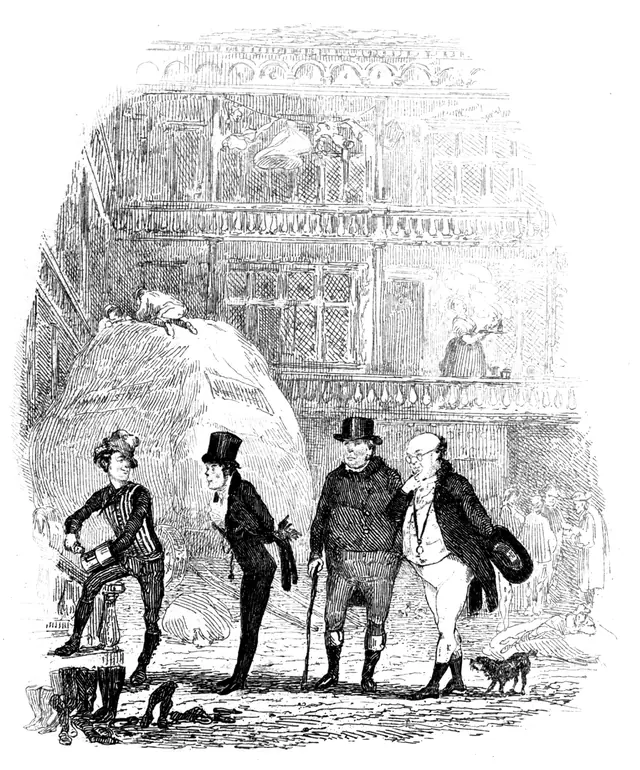
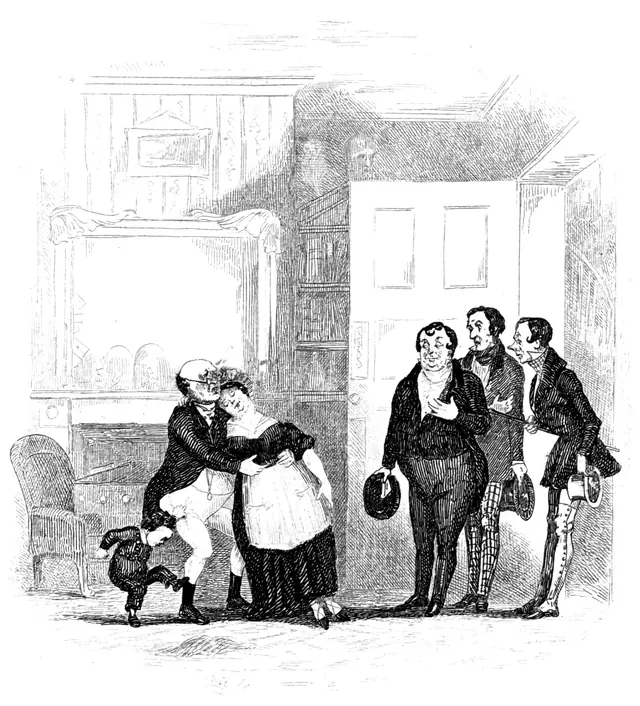
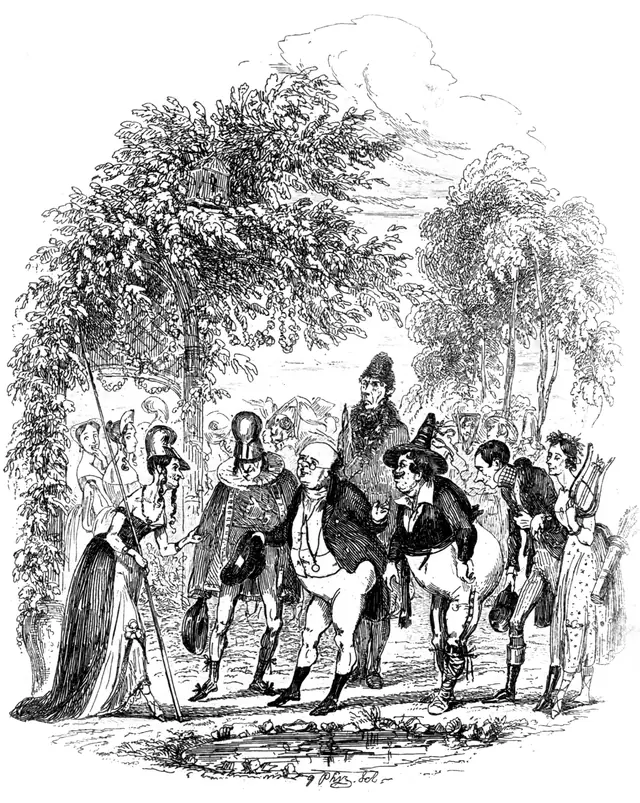
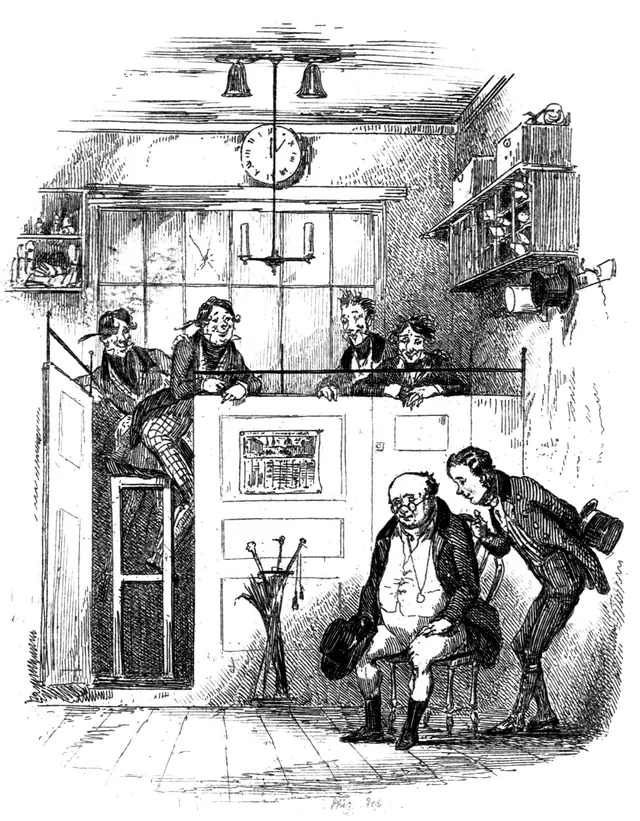
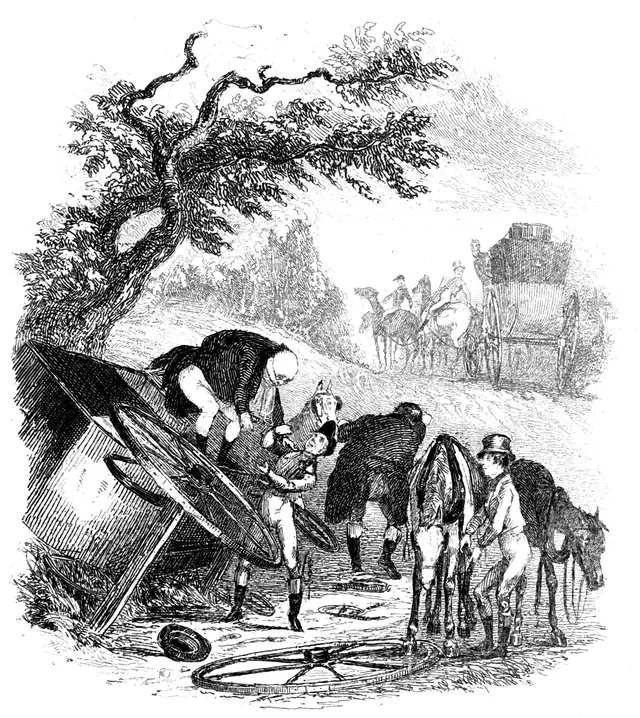
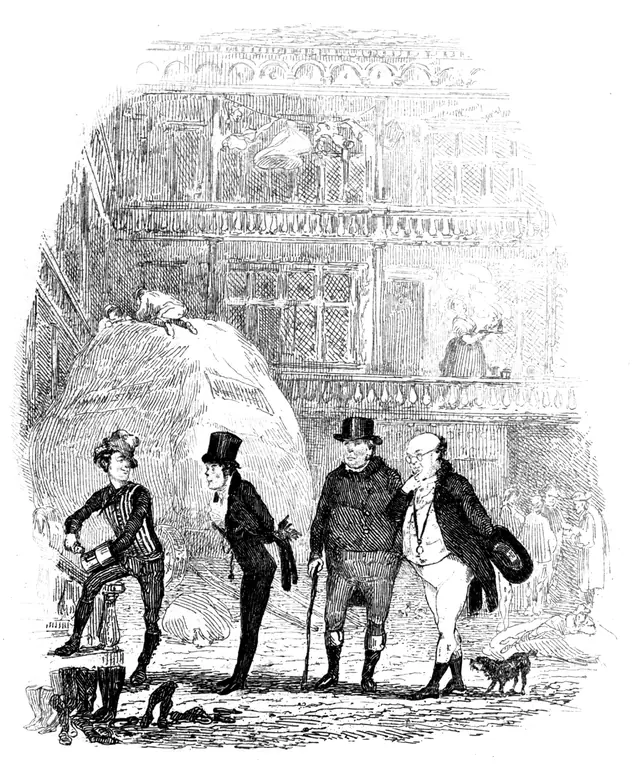
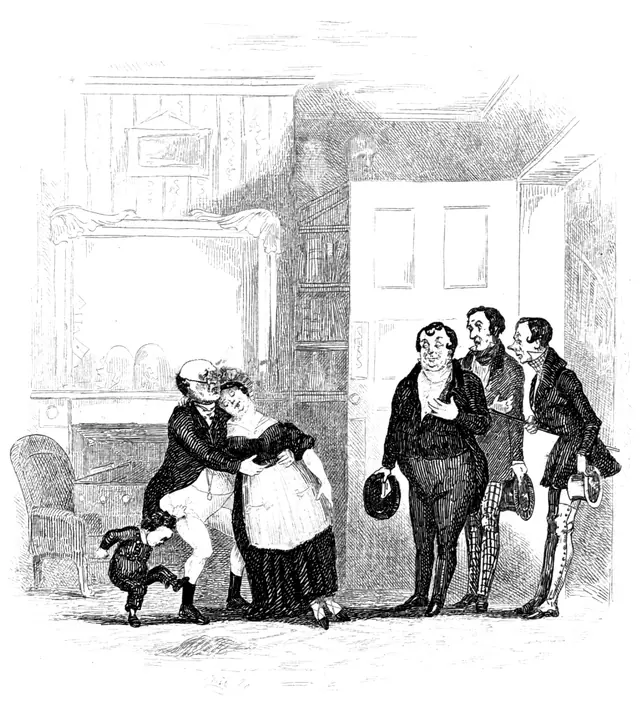
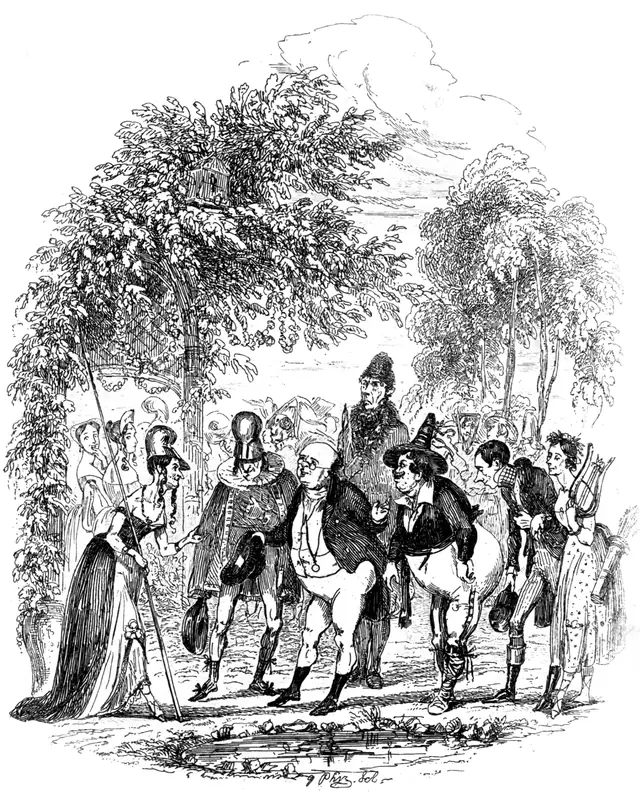
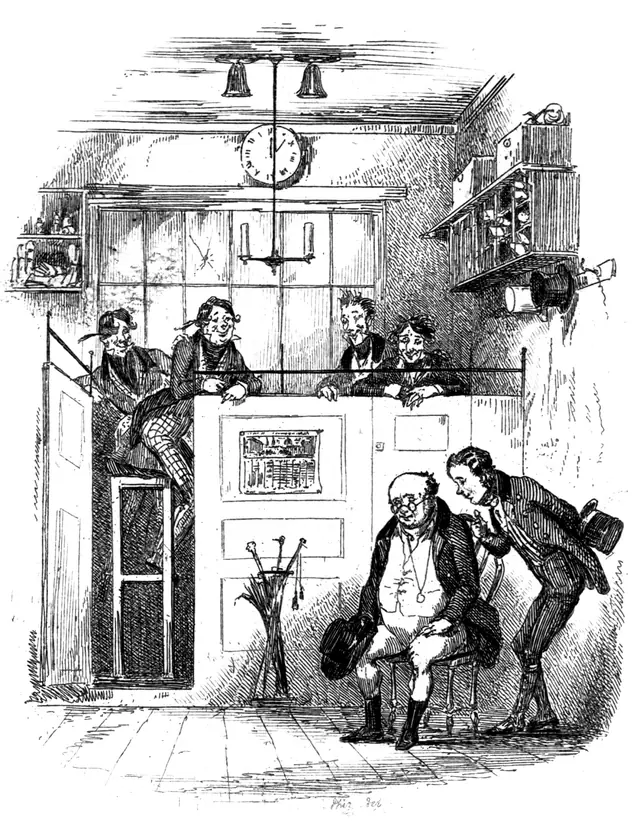
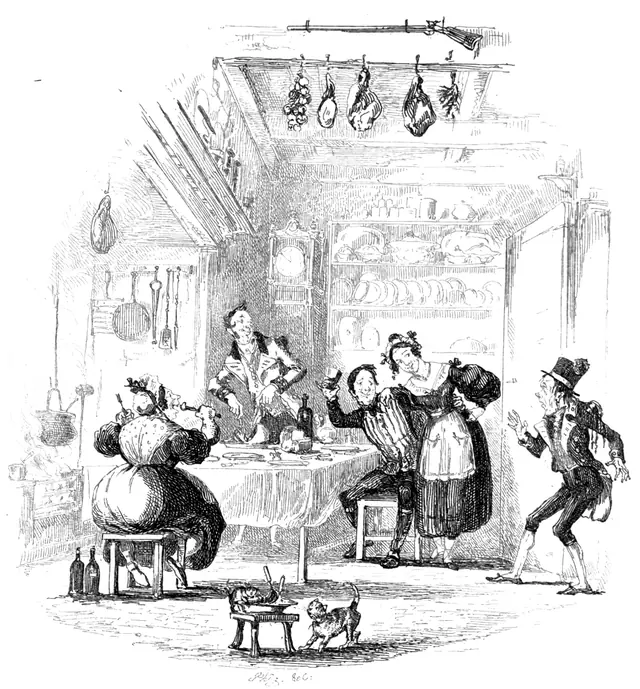
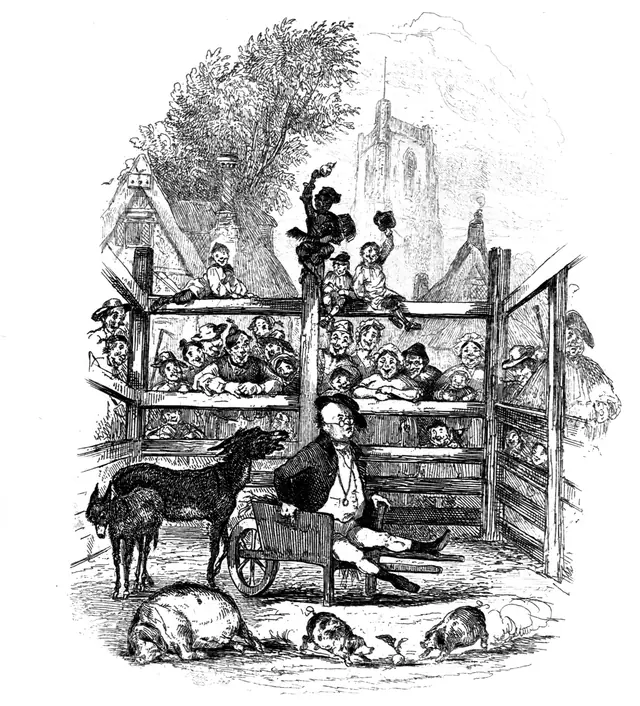
Dickens did not publish books: he published instalments. The Posthumous Papers of the Pickwick Club began in April 1836 at a shilling a number, and the whole thing nearly died with the second issue. Robert Seymour, the artist whose idea it had been in the first place, fought a twenty-four-year-old Dickens for creative control, met him on 17 April and three days later shot himself in the garden of his house in Islington. He was replaced first by Robert William Buss, who lasted a single number, and from the July 1836 instalment onwards by Hablot Knight Browne, who signed himself “Phiz” and stayed to the end of the serial in November 1837.
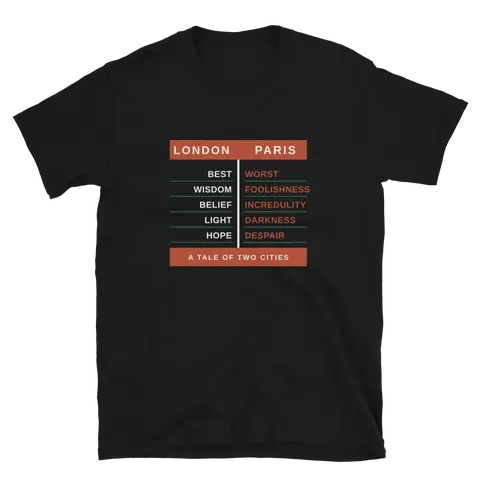
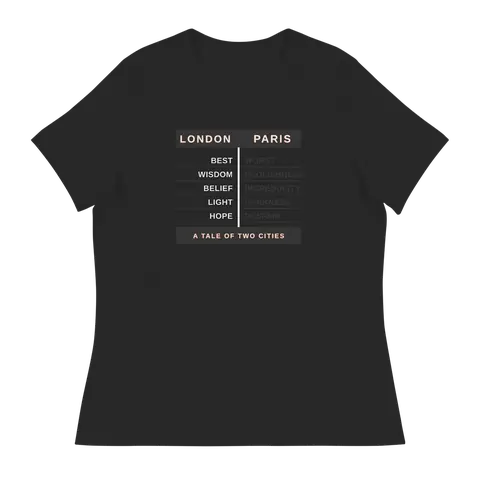
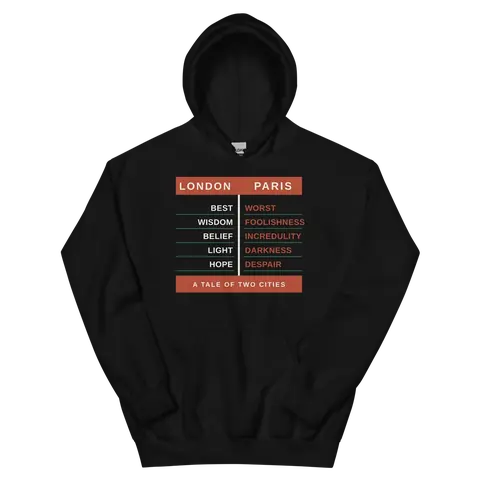
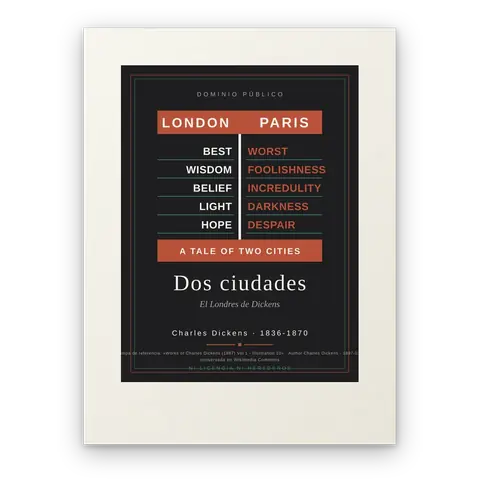
After that, almost everything came out in parts. Oliver Twist in Bentley's Miscellany, from February 1837 to April 1839. A Tale of Two Cities, weekly in All the Year Round from 30 April to 26 November 1859, and at the same time in eight monthly parts with sixteen plates by Phiz, the last he ever made for Dickens. Great Expectations in weekly numbers, from 1 December 1860 to 3 August 1861: thirty-six instalments, and one of only two Dickens novels published without a single illustration, the other being Hard Times.
A Christmas Carol was the exception. A whole book, all at once, on 19 December 1843, from Chapman & Hall, at five shillings, cloth-bound with gilt edges and a two-colour title page. All six thousand copies were gone by Christmas Eve.
The three artists who gave him a face
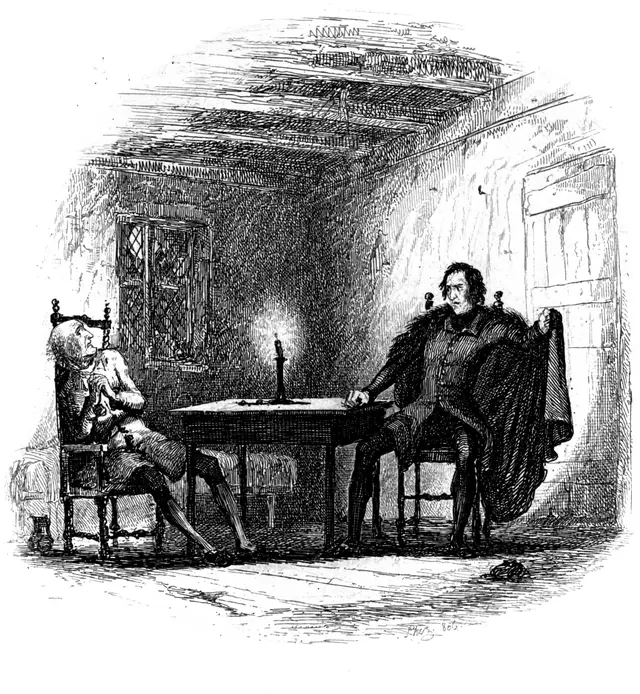
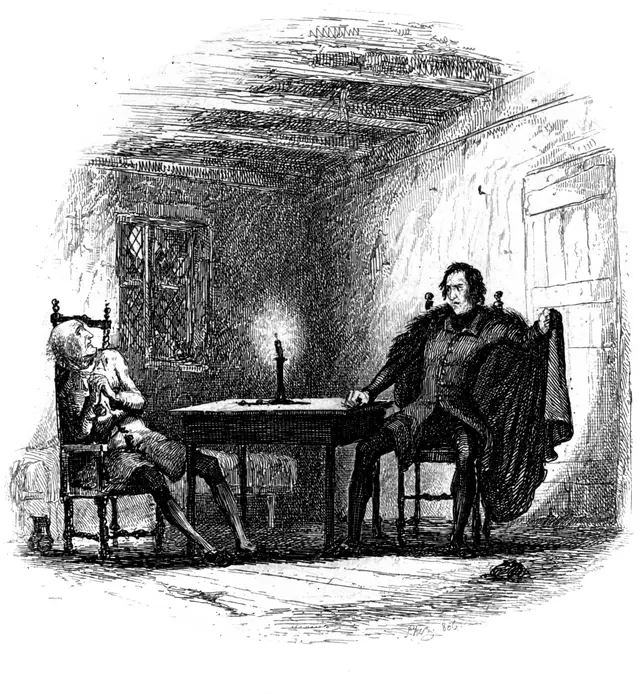
George Cruikshank etched twenty-four steel plates for Oliver Twist, one per instalment, between 1837 and 1839. The most famous of them, Fagin in the condemned cell (March 1839), cost him days: he could not find the pose until one morning he caught sight of himself in the bedroom mirror, sitting on the bed with a hand over his chin and his fingertips between his lips, and shouted “That's it!”. Chesterton said afterwards that it looks less like a drawing of Fagin than a drawing by Fagin.
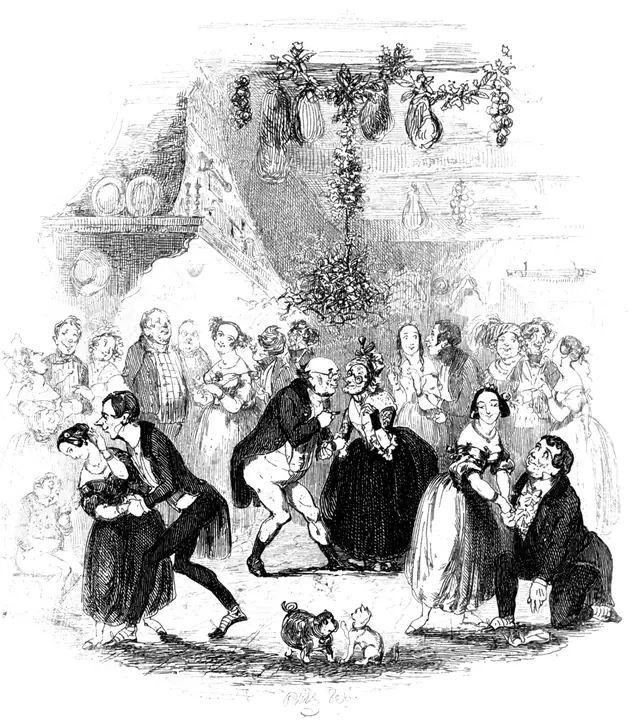
John Leech signed the eight plates of A Christmas Carol: four hand-coloured etchings and four wood engravings. That is where Marley's Ghost, Mr. Fezziwig's Ball, Scrooge's Third Visitor, Ignorance and Want and The Last of the Spirits come from. Those eight images are the mould: nearly every Scrooge that has ever reached a screen comes out of them.
Chains, candle-snuffers and stopped clocks
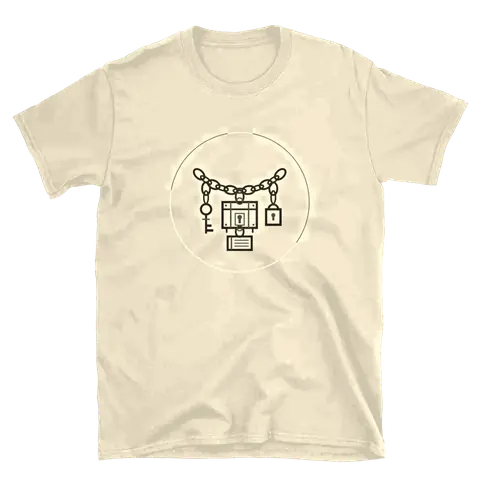
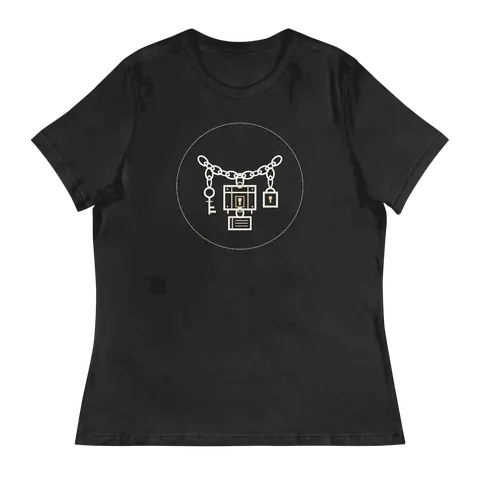
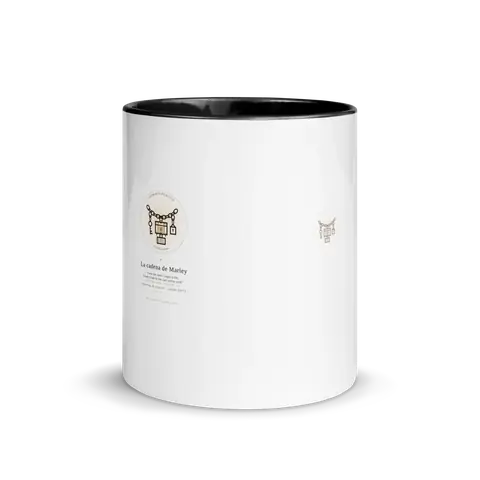
It is the concrete detail that stays with you. Marley's chain is made — and Dickens lists it piece by piece — of cash-boxes, keys, padlocks, ledgers, deeds and heavy purses wrought in steel. Marley also wears the bandage used to bind up the jaws of the dead; when he takes it off, his lower jaw drops onto his chest.
The first spirit is not a veiled lady: it is a figure somewhere between a child and an old man, with a jet of light springing from the crown of its head, which is why it carries a giant candle extinguisher under its arm to serve as a cap. The second carries a torch shaped like a horn of plenty and hides two starved children under its robe: “this boy is Ignorance, this girl is Want”. The third is a faceless black robe with nothing showing but one outstretched hand.
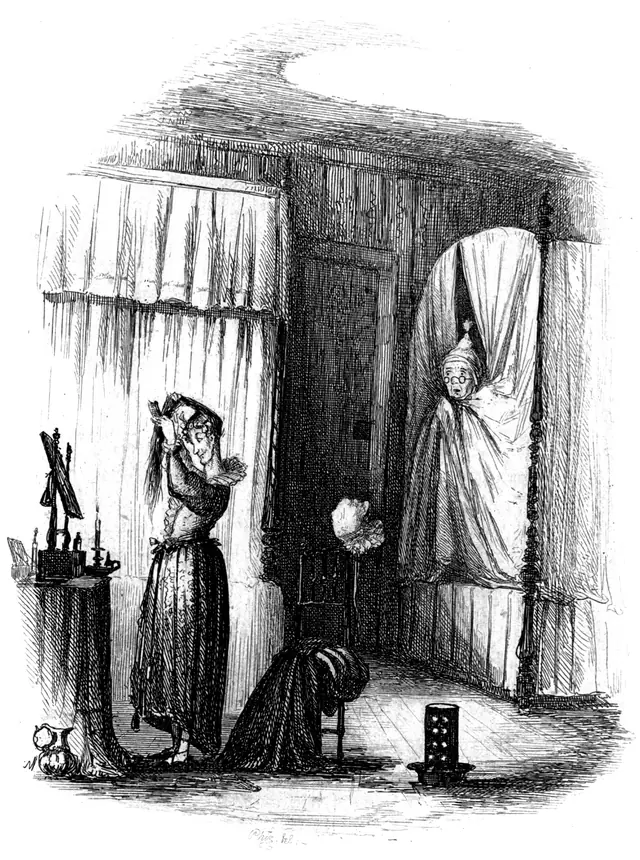
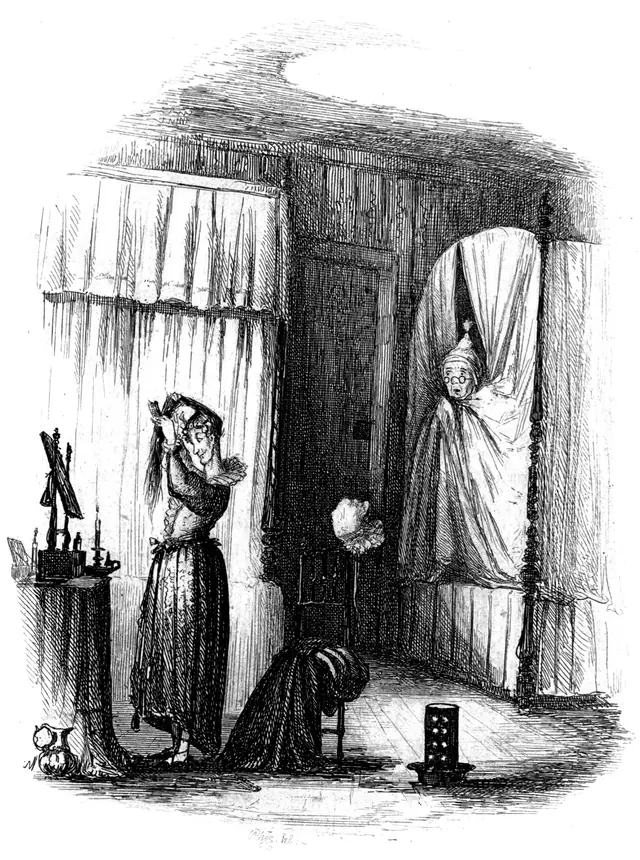
On the Great Expectations side: a wedding dress yellowing on a living body, the bride-cake overrun with cobwebs, one shoe never put on, and every clock in Satis House stopped at twenty to nine. And from Oliver Twist, an empty bowl and a request for more gruel.
The cut Griffith stole from Dickens
In 1908, shooting After Many Years at Biograph, D. W. Griffith proposed cutting from Annie Lee waiting at home to Enoch shipwrecked on an island. His bosses rounded on him: “how can you tell a story jumping about like that? People won't know what it's about.” Griffith answered: “Well, doesn't Dickens write that way?” The scene was set down by Linda Arvidson, his wife, in her memoir of the Biograph years.
Eisenstein went back to the episode in 1944, in the essay Dickens, Griffith, and the Film Today, to argue that cinema did not invent parallel editing: it lifted it from the serial novel, which jumped from one plot to another because it had to leave the reader hanging at the end of the month. Every time a film cuts between two simultaneous actions it is using something Griffith justified by citing Dickens.
From an 1901 trick shot to Kit Harington
The oldest surviving adaptation is Scrooge, or, Marley's Ghost, November 1901, produced by R. W. Paul and directed by Walter R. Booth. Twelve tableaux, 620 feet of original footage of which only 323 survive in the BFI archive, and one effect that still works: Marley's face superimposed on the door knocker.
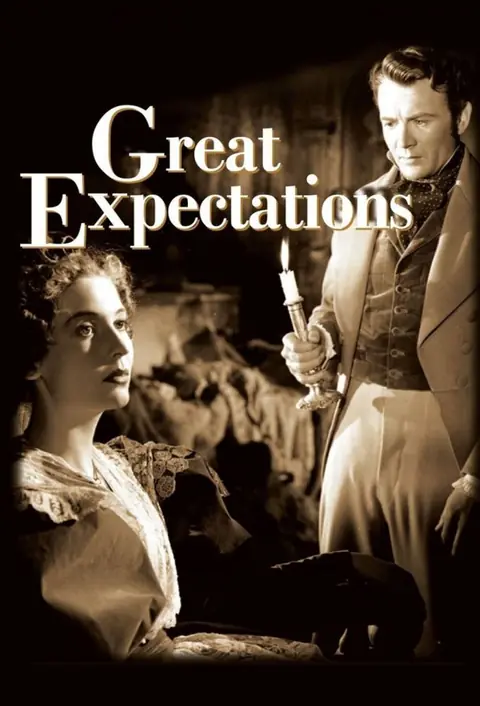
More than a hundred filmed versions since. Great Expectations (1946) is David Lean at full strength: Martita Hunt as Miss Havisham, Finlay Currie pouncing on Pip among the gravestones, Alec Guinness as Herbert Pocket and two Oscars — cinematography for Guy Green, art direction for John Bryan and Wilfred Shingleton. Carol Reed's Oliver! (1968), with Ron Moody as Fagin and Oliver Reed as Bill Sikes, took five Oscars, Best Picture among them, plus an honorary award for Onna White's choreography. Alastair Sim, in 1951, is still the benchmark Scrooge.
And the mould holds outside Christmas: Ghosts of Girlfriends Past (2009) moves the night of the three spirits to the eve of a wedding, with Michael Douglas as Uncle Wayne, the dead man standing in for Marley, and Emma Stone as the first ghost, the hero's first girlfriend; the other two spirits are not ex-girlfriends but his assistant and a mute, faceless figure. A Tale of Two Cities returns on 6 September 2026 on MGM+ and BBC One, with Kit Harington as Sydney Carton.
He won the case and lost £700
Dickens expected a thousand pounds from A Christmas Carol and made two hundred and thirty: he had insisted on a de luxe edition, with etchings illuminated by hand one by one, and the cost swallowed the margin. In January 1844, Parley's Illuminated Library brought out a condensed version at twopence. Dickens sued, won, and the pirates declared themselves bankrupt: he ended up paying seven hundred pounds in costs.
Hence his obsession with controlling the text live. On 27 December 1853 he read A Christmas Carol aloud at Birmingham Town Hall to nearly two thousand people, and did it again three days later for a working-class audience. He raised 227 pounds for the Birmingham & Midland Institute. It was the first of the hundreds of readings with which he turned the novel into a stage act, fifty years before anyone put it on a screen.