










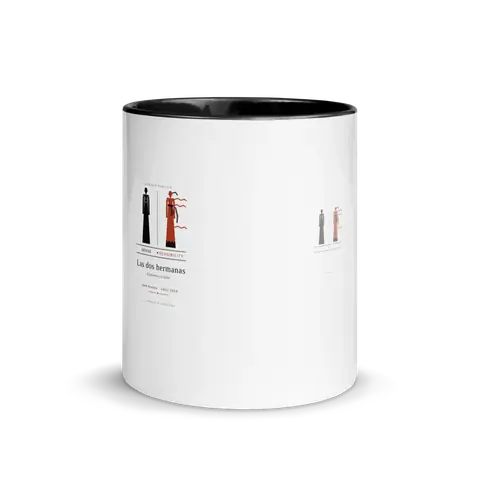
One signed herself "By a Lady"; the others took men's names
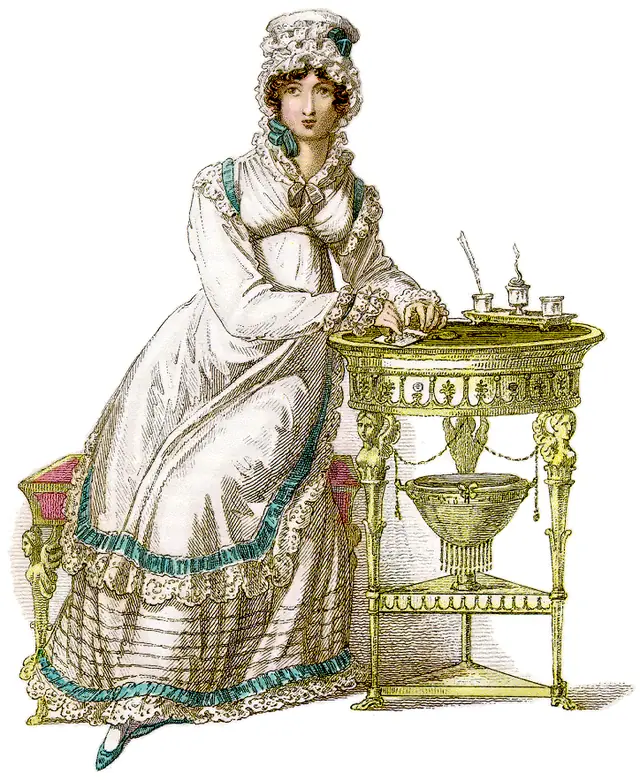
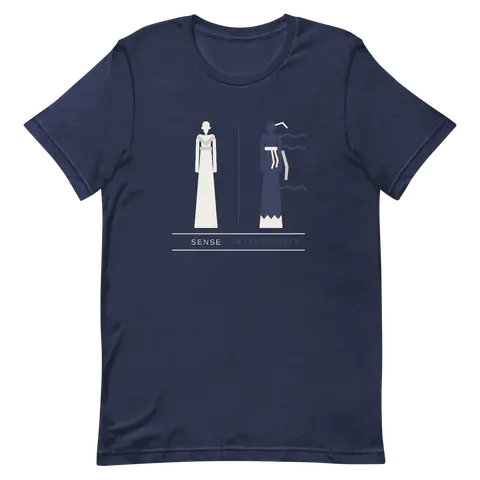
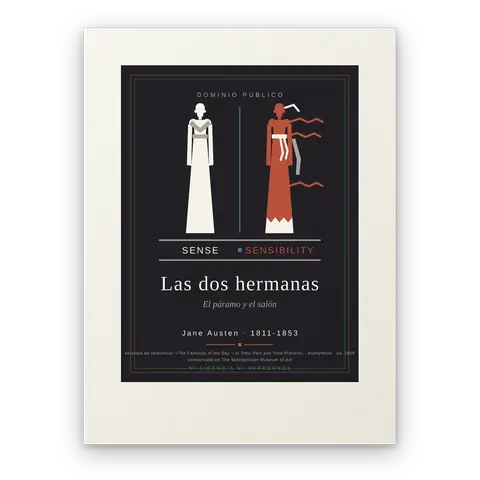
Jane Austen (16 December 1775 - 18 July 1817) published without her name. Sense and Sensibility came out in 1811 from Thomas Egerton, credited simply "By a Lady"; for Pride and Prejudice, in 1813, she sold Egerton the copyright outright for 110 pounds. Emma was brought out by John Murray in December 1815, with a dedication to the Prince Regent that his librarian, James Stanier Clarke, had hinted she should write. Her name did not reach print until she was dead, in the "Biographical Notice" her brother Henry placed at the front of Northanger Abbey and Persuasion, published together by Murray on 20 December 1817 with 1818 on the title page.
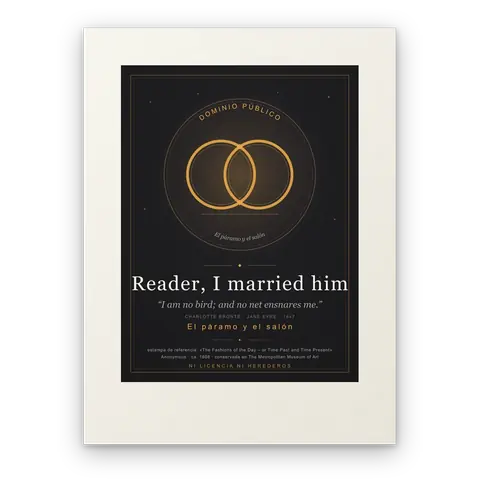
Thirty years later, three sisters from Yorkshire did the reverse: ambiguous men's names. Poems by Currer, Ellis and Acton Bell (Aylott & Jones, 1846) sold three copies. The following year Currer Bell published Jane Eyre on 19 October with Smith, Elder & Co., and Ellis Bell published Wuthering Heights on 24 November with Thomas Cautley Newby, in three volumes of which the third was in fact Agnes Grey, by the youngest sister.
Crumbling griffins and a nest full of skeletons
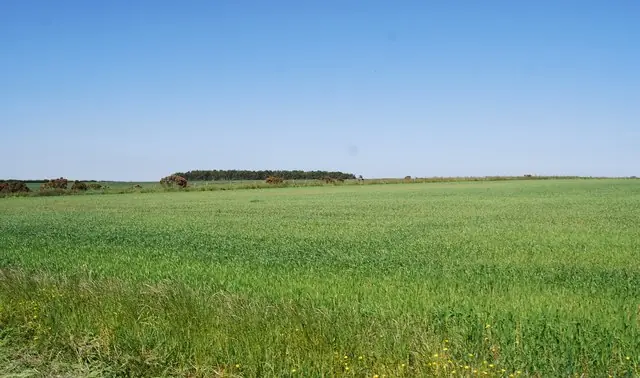
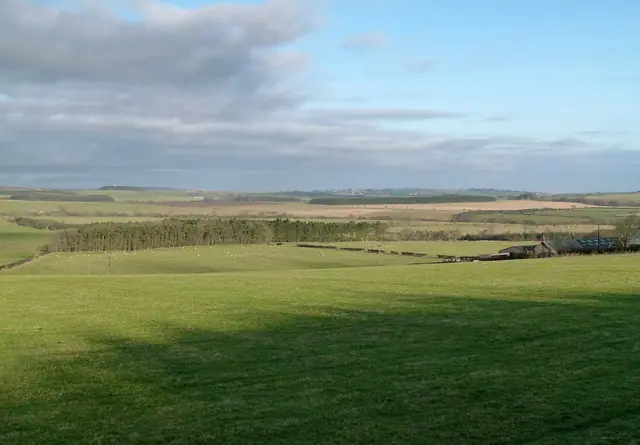
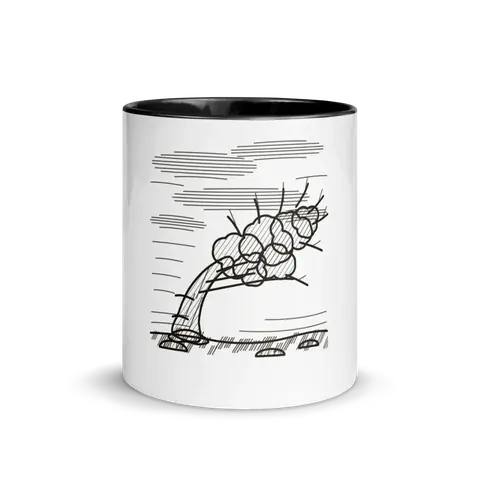
Emily Brontë's house introduces itself by its façade. Lockwood stops to study the carving over the front door: "among a wilderness of crumbling griffins and shameless little boys, I detected the date '1500' and the name 'Hareton Earnshaw'". The title is a weather report: wuthering, he explains a line later, is "a significant provincial adjective, descriptive of the atmospheric tumult to which its station is exposed in stormy weather".
The strangest thing in the book is a handful of feathers. In chapter 12 a delirious Catherine tears the pillow open and sorts the stuffing by species across the sheet: turkey, wild duck, pigeon, moor-cock and at last the lapwing, "I should know it among a thousand". They had found the nest in winter "full of little skeletons" because Heathcliff had set a trap over it and the parents dared not go back. Austen's iconography runs the other way: Elizabeth Bennet's petticoat "six inches deep in mud" after walking across the fields, which scandalises the Bingley sisters and leaves Darcy entirely unbothered.
Charlotte edited Emily, and that is the version you have read
The text of Wuthering Heights that circulates today in almost any translation is not the one from 1847. Emily died on 19 December 1848, aged thirty, and in 1850 Charlotte prepared a second edition for Smith, Elder: she repaired the "defective" punctuation and spelling, added a preface and softened the impenetrable Yorkshire dialect of Joseph the servant. She explained herself by letter to her publisher, W. S. Williams: as it stood it "exactly renders the Yorkshire dialect to a Yorkshire ear", but "Southerns must find it unintelligible". The surviving sister edited the dead one's book, and that is the door through which the novel walked into the world.
From the brother there is another correction, this one in brushstrokes. Around 1834 Branwell Brontë painted a group portrait of his three sisters with himself in it; he disliked the way he had turned out and painted himself over, leaving a column in his place. It hangs in the National Portrait Gallery in London: two novelists, a third sister and a pillar where the painter used to be.
Hollywood put the moors in California
Wuthering Heights (1939), William Wyler's for Samuel Goldwyn, gets through 16 of the 34 chapters: it cuts the second generation entirely and stops halfway through the novel. Goldwyn moved the action to the middle of the nineteenth century because he found Civil War fashions more flattering than Regency ones, and the moors are Thousand Oaks, California, today's Wildwood Regional Park. From eight nominations it won a single Oscar, for Gregg Toland's black-and-white cinematography. The ending with the two ghosts walking off together is nowhere in Emily Brontë: Goldwyn imposed it against Wyler's judgement once shooting had wrapped. "I made Wuthering Heights," he said, and that was the end of it; "Wyler only directed it."
The following year MGM released Pride and Prejudice (1940), with Greer Garson and Laurence Olivier and a script by Aldous Huxley and Jane Murfin. The Hays Code turned Mr Collins into a librarian so as not to make a joke of a clergyman, and Lady Catherine, who in the novel turns up to make a genuine demand, becomes an accomplice who is merely putting Elizabeth to the test.
Jane Eyre went to the Caribbean, Heathcliff to Mexico
Huxley was back three years later on Jane Eyre (1943), directed by Robert Stevenson, with Orson Welles as Rochester - and, uncredited, as associate producer - Joan Fontaine as Jane, a score by Bernard Herrmann and an eleven-year-old Elizabeth Taylor playing Helen Burns without appearing in the credits. That same year Val Lewton asked Curt Siodmak and Ardel Wray for a "Jane Eyre of the West Indies" and out came I Walked with a Zombie, directed by Jacques Tourneur: the newly arrived governess, the tormented master, the wife shut away. The skeleton is the same one.
Buñuel had been at it since 1931, when he wrote a script from Emily's novel with Pierre Unik. He finally shot it in Mexico as Abismos de pasión (1954), released in English as Wuthering Heights, with Jorge Mistral and Irasema Dilián as Alejandro and Catalina. And in 2011 Andrea Arnold went looking for a Heathcliff who matched the text - "a dark-skinned gypsy", "a little Lascar" - and found James Howson; it won Robbie Ryan the Golden Osella for cinematography at Venice.
1995, the year everything turned, and what is on now
Austen became an industry in 1995. Clueless opened on 19 July, and it is Emma rehoused in Beverly Hills: Cher Horowitz is Emma Woodhouse, Tai is Harriet Smith, Josh is Mr Knightley and Elton is still called Elton. It cost 12 million dollars and took 88. Two months later, from 24 September to 29 October, the BBC ran its six episodes of Pride and Prejudice with Colin Firth and ten million viewers an episode. The lake scene in the fourth episode does not exist in the novel: the screenwriter Andrew Davies invented it, the BBC vetoed the nudity and a stunt double did the dive.
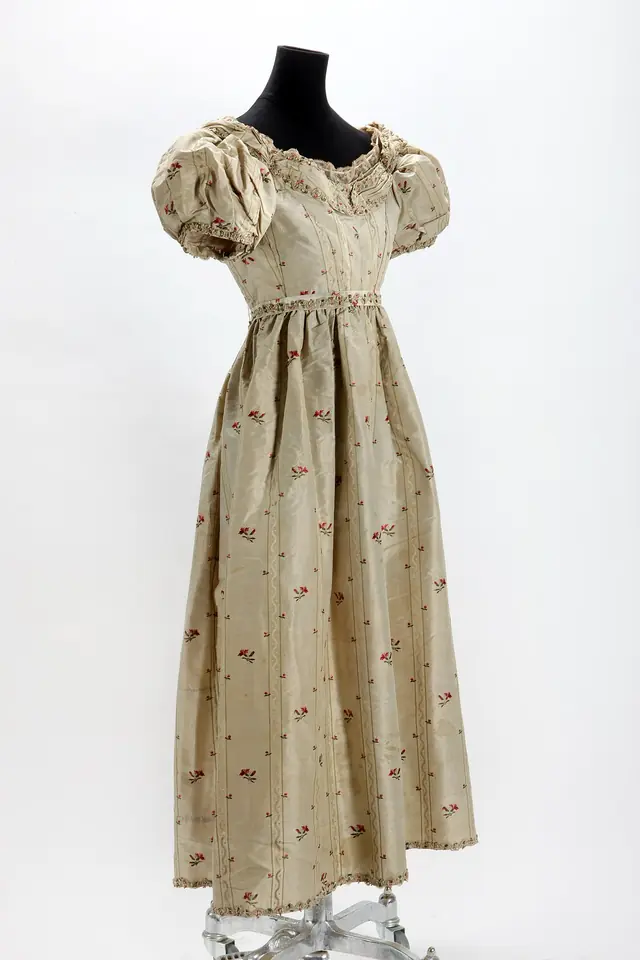
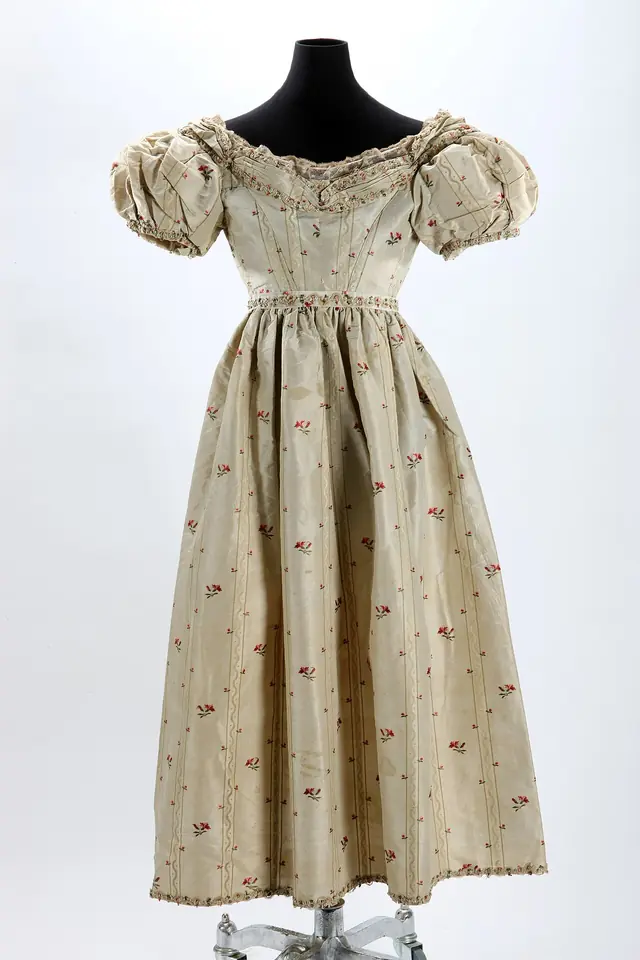
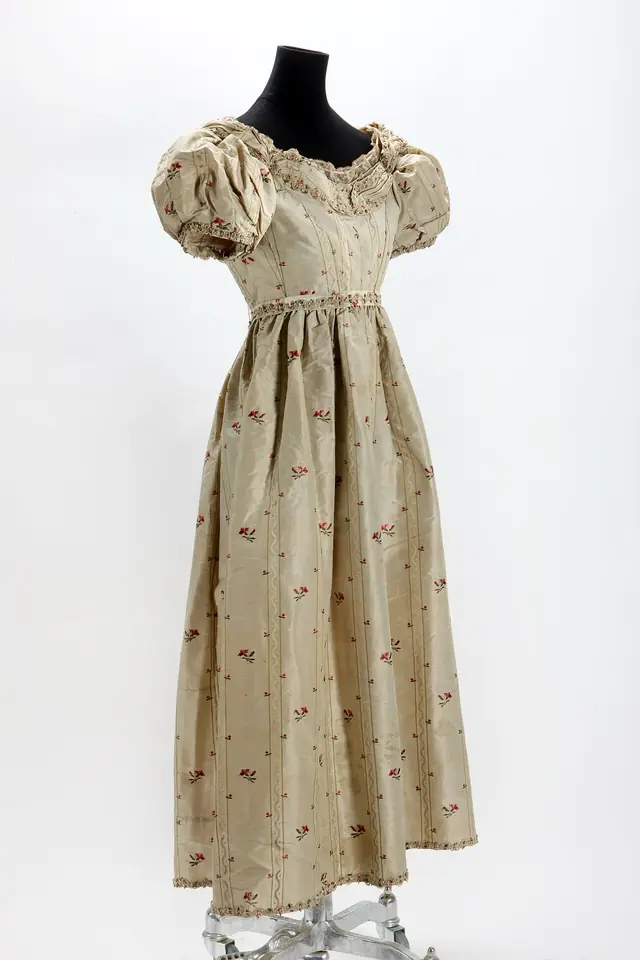
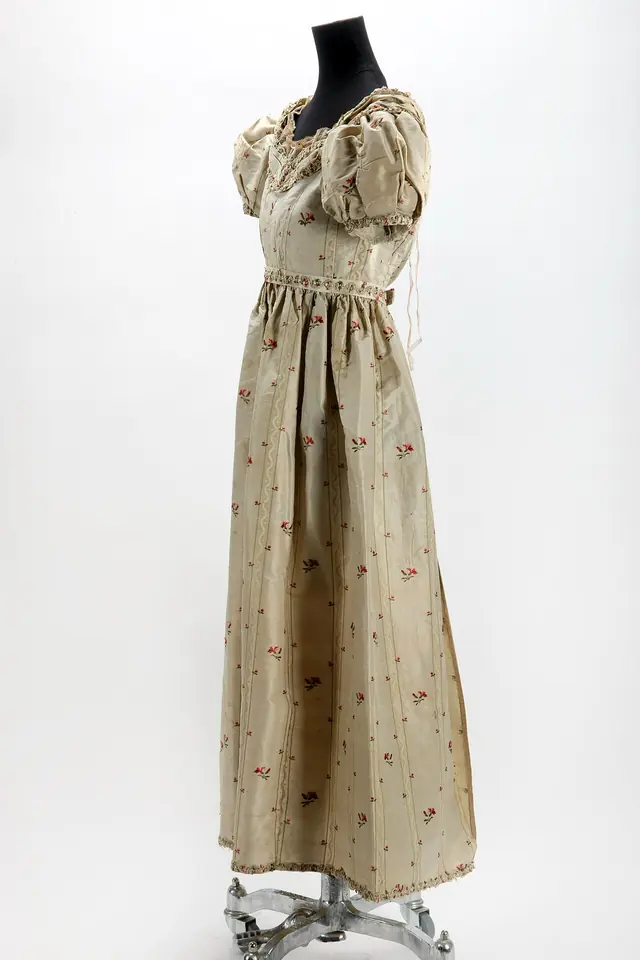
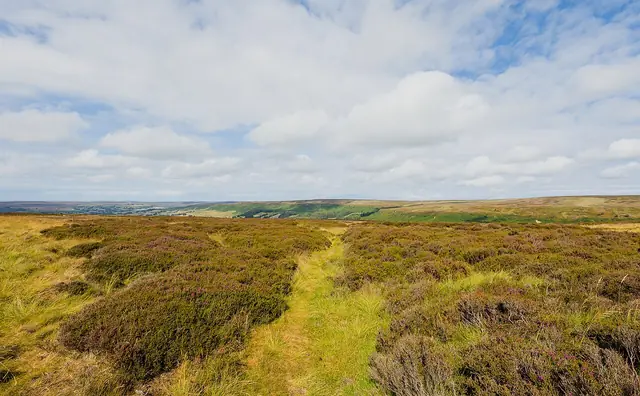
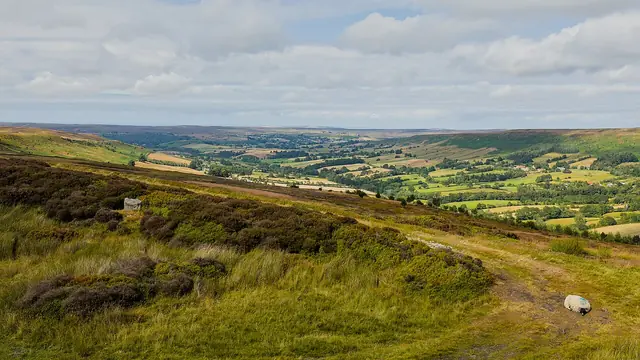
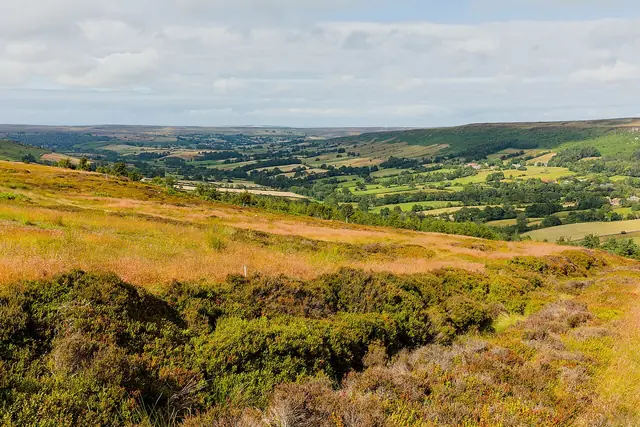
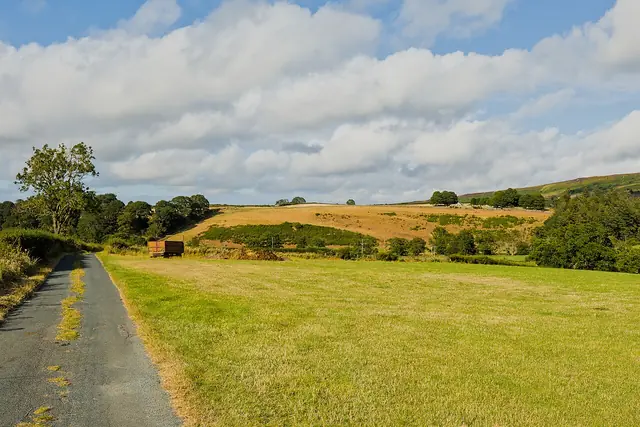
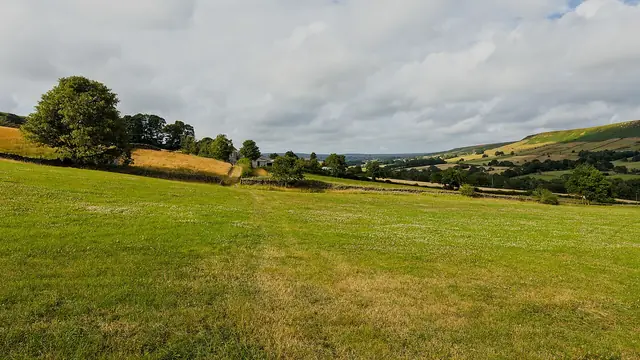
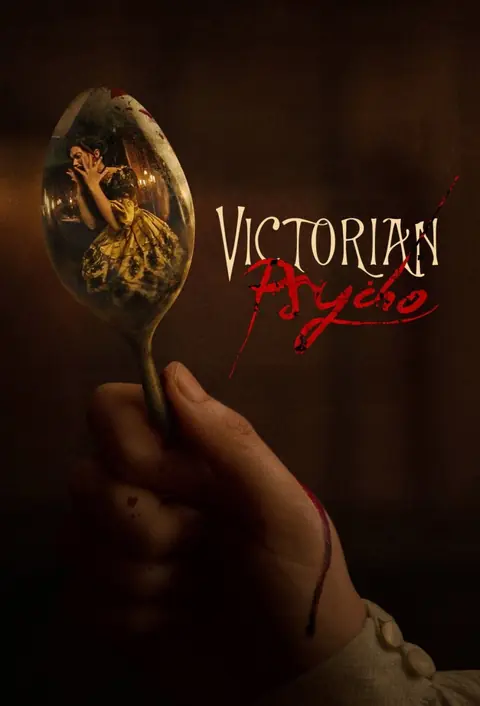
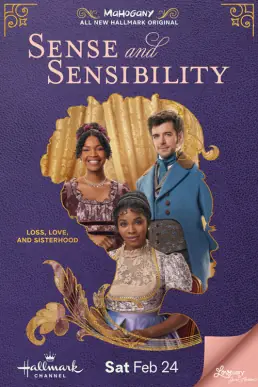
In Joe Wright's version (2005) the action moves back to 1797 because the director disliked the empire waistline; Pemberley is Chatsworth, Longbourn is Groombridge Place and Rosings is Burghley House. And now: Emerald Fennell's Wuthering Heights (13 February 2026), with Margot Robbie and Jacob Elordi, shot in Todmorden and Swaledale, 241 million at the box office and a row among the cast; Georgia Oakley's Sense and Sensibility on 25 September; and Victorian Psycho, with Maika Monroe as a murderous governess in 1858, which is what happens when a mould has been in service for a hundred and seventy years.