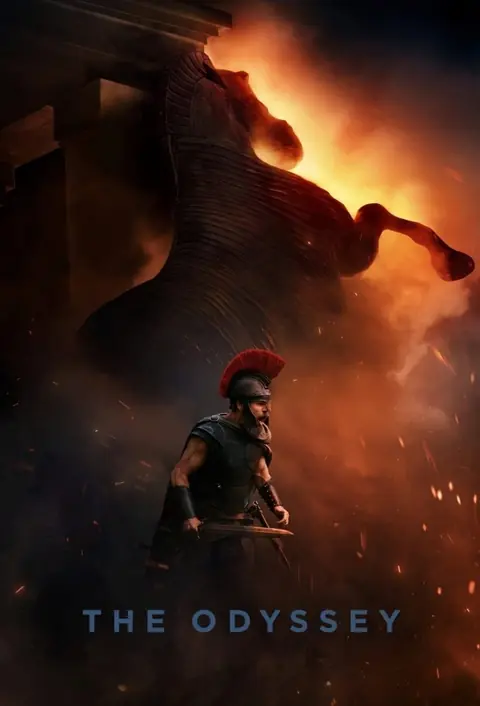
The Odyssey
Odysseus tritt nach dem Trojanischen Krieg die gefährliche Heimreise an.
- Regie
- Christopher Nolan
- Drehbuch
- Christopher Nolan
- Besetzung
- Matt Damon · Tom Holland · Anne Hathaway · Robert Pattinson · Lupita Nyong'o
- Genre
- Action · Adventure · Fantasy
- Laufzeit
- 173 Min.
- Land
- USA · Vereinigtes Königreich
- Musik
- Ludwig Göransson
- Kamera
- Hoyte van Hoytema
- Schnitt
- Jennifer Lame
- Basiert auf
- Odyssee
- Altersfreigabe
- R (USA) · 15 (BBFC)
- Studio
- Universal Pictures · Syncopy
- Budget
- 250,000,000 $
- Einspielergebnis
- 1,374,000,000 $
Daten geprüft bei Wikipedia und Wikidata.
Poster und Metadaten von TheTVDB. Du kannst dort Fehlendes ergänzen oder es abonnieren.
Merch
Zum ganzen Shop →4 Motive zu dieser Geschichte


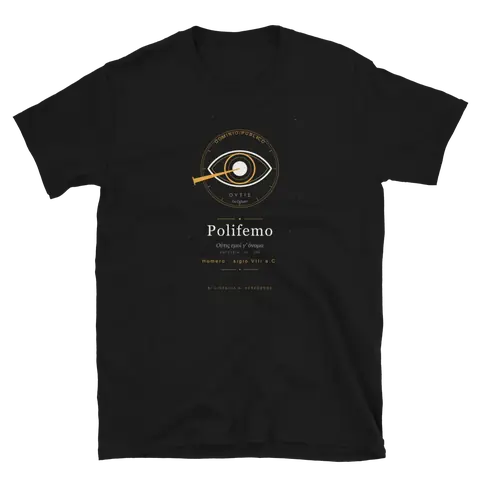
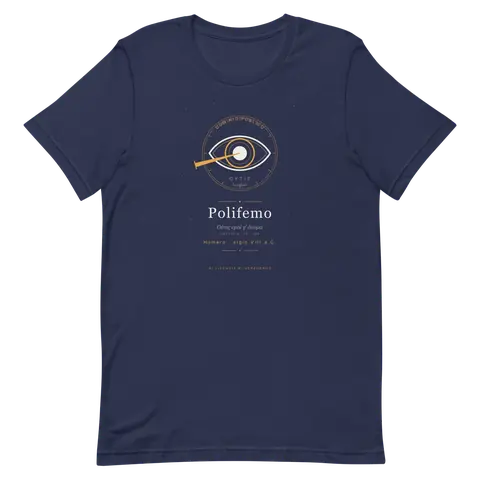
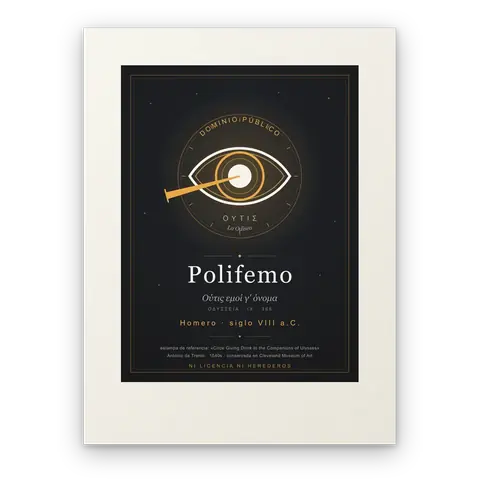
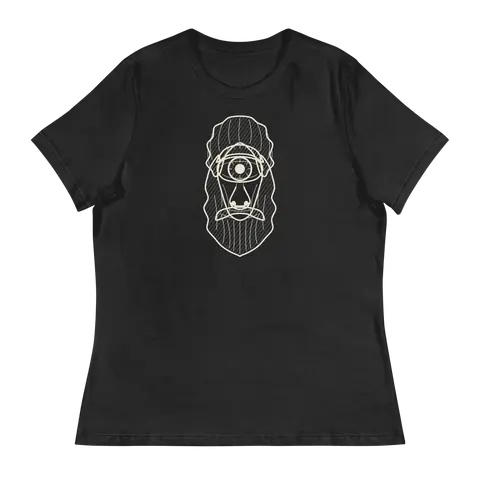
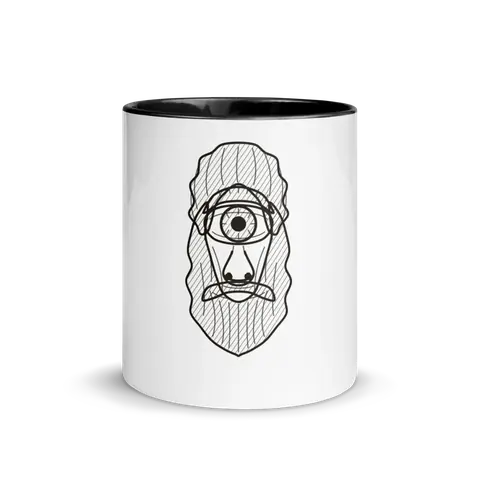
Polifemo
-
Größen S bis 2XL
Premium-T-Shirt zu The Odyssey · Polifemo
Lieferung in 3-4 Tagen · gedruckt in der EU
-
Größen S bis 2XL
Damen-T-Shirt zu The Odyssey · Polifemo
Lieferung in 3-4 Tagen · gedruckt in der EU


Die Besetzung gegen den Text
Wer ist wer im Gedicht
All 41 actors in the film, and who each character is in Homer's Odyssey. 31 of the 41 parts exist in the poem under that same name; 2 carry a name Homer gives to somebody else, and 3 do not appear in the twenty-four books even once. Under each name you get the book they turn up in and what they do there.
- Four of the six suitors Homer names one by one are in the cast. In Book XXII, once the rest have fallen, the poem stops to name the six who «bore the brunt of the fight» and were «by far the most valiant of all those who were still fighting for their lives»: Agelaus son of Damastor, Eurynomus, Amphimedon, Demoptolemus, Pisander and Polybus son of Polyctor. Four are in the film: Agelaus (Jamie Harris), Amphimedon (Iddo Goldberg), Pisander (Niko Nicotera) and Polybus (Corey Hawkins). A fifth name comes from the same slaughter but not from that list: Elatus (Elyes Gabel), who appears ONCE in twenty-four books and is speared by the swineherd. Pulling a name the poem uses a single time is a reading decision, not a casting one.
- Sinon, Elliot Page's character, is not in the Odyssey. Zero appearances across the twenty-four books. Sinon is the Greek who lets himself be captured to talk the Trojans into hauling the horse inside the walls, and that story is Virgil's Aeneid, not Homer. The Odyssey does mention the horse —in Book IV, and in Book VIII sung by a bard— but never names him.
- In Homer, Melanthius is a GOATHERD; the film makes him a cowherd. Butler writes «Melanthius the goatherd» three times, five counting «the goatherd Melanthius»; the bare name appears twenty-seven. The cattleman of the house is somebody else, Philoetius —Butler calls him «the stockman»— and he is one of the loyal ones: he is the man who kills Pisander in Book XXII. The film's own listings are not wrong: they describe Nolan's character, and there the script rules. But the change matters, because Odysseus's household splits along exactly that line —the swineherd and the cattleman stay loyal; the goatherd and his sister do not—.
- Antiphates is billed with the crew, and in Homer he is the enemy. In Book X, Antiphates is the king of the Laestrygonians: cannibal giants who eat a man on the spot and sink eleven of the twelve ships with boulders thrown from the cliffs. Of the whole fleet only Odysseus's ship gets out.
- Two names are borrowed from other parts. Laodamas (Sean Avery) is billed as crew; in the poem he is Alcinous's favourite son, a Phaeacian prince, and the one who challenges Odysseus to compete in the games. Anchialus (Will Yun Lee) also rows in the film; in Homer he is the father of Mentes, king of the Taphians, and also the name of a Phaeacian athlete. The names are Homer's; the parts are not.
- Three names never appear in the poem: Sinon, Cepheus (Jimmy Gonzales) and Menetus (Jesse Garcia). Searched one by one across the twenty-four books: zero hits. They are the film's own characters, and saying so is not a complaint —a crew needs names and Homer barely names his rowers— it just saves you looking for them in the book.
-
Matt Damon Odysseus
Books I-XXIV
The lead: king of Ithaca, the man of many turns, ten years getting home from Troy. In Book XXI he is the only one who can string his own bow —the test by which Penelope means to pick a husband, not knowing the beggar who passes it is hers.
-
Tom Holland Telemachus
Books I-IV, XV-XXIV
The son. The first four books are his, not his father's: the Telemachy is the journey of a boy who cannot remember Odysseus and goes off to Pylos and Sparta to ask after him. He gets back in time to fight beside him against the suitors.
-
Anne Hathaway Penelope
Books II and XIX
The wife who waits, and the most famous trick in the poem: she promises to choose a suitor once Laertes's shroud is finished, weaves by day and unpicks it by night. She holds them off three years, until one of her maids gives her away.
-
Robert Pattinson Antinous
Books I-II, XVI-XXII
The worst of the suitors: the one who plots to kill Telemachus and the one who throws a footstool at the beggar. In Book XXII he is the first to die, an arrow through his throat as he lifts a cup.
-
Lupita Nyong'o Helen of Troy / Clytemnestra
Books III, IV and XI
A double role, and two sisters with opposite endings. Helen turns up in Book IV back home in Sparta, dropping a drug into the wine so that nobody weeps. Clytemnestra never appears on stage: she is quoted as Penelope's dark mirror, the wife who did kill her husband when he came home from Troy.
-
Samantha Morton Circe
Books X-XII
The witch of Aeaea. She turns half the crew into pigs; Odysseus is spared by the herb moly and ends up staying a year with her. It is Circe who tells him how to go down to the land of the dead and how to get past the Sirens.
-
John Leguizamo Eumaeus
Books XIV-XVII, XXI-XXII
The swineherd: the only man still treating a stranger well after twenty years, and the first to take in Odysseus disguised as a beggar. Homer addresses him directly —«and you answered him, Eumaeus, swineherd»— a turn he grants almost nobody else.
-
Zendaya Athena
Books I-XXIV
The goddess who protects him from first line to last: she pushes Telemachus into travelling, disguises Odysseus as an old man and, during the slaughter of Book XXII, perches on a roof beam in the shape of a swallow to watch how it ends.
-
Charlize Theron Calypso
Books I, V and VII
The nymph of Ogygia. She keeps Odysseus seven years and offers him immortality if he stays; he turns it down to go back to a mortal woman who will grow old. The poem opens at the exact moment the gods decide to let him go.
-
Jon Bernthal Menelaus
Book IV
King of Sparta, Helen's husband and Agamemnon's brother. He receives Telemachus in Book IV and tells him the little he knows of his father: that he was seen held by a nymph on an island, weeping.
-
Himesh Patel Eurylochus
Books X-XII
The second in command, and the man who always argues back. He is the one who refuses to go into Circe's house —which is why he is not turned into a pig— and the one who talks the crew into eating the cattle of the Sun, the decision that kills every one of them.
-
Bill Irwin Polyphemus
Book IX
The Cyclops, son of Poseidon. He eats six men; Odysseus gets him drunk, tells him his name is «Nobody» and drives a burning stake into his eye. When the other Cyclopes ask who is attacking him, Polyphemus shouts «Nobody», and not one of them comes. That blinding is what angers Poseidon and stretches the voyage to ten years.
-
Elliot Page Sinon
Nicht im Gedicht
Does not appear in the Odyssey: zero hits across the twenty-four books. Sinon is the Greek who lets himself be taken so the Trojans will drag the horse inside, and that is Virgil's Aeneid. The poem does mention the horse, but never names him.
-
Benny Safdie Agamemnon
Books XI and XXIV
The commander of the Greek army at Troy. In the Odyssey he is already dead: Odysseus meets his ghost in the land of the dead and hears him tell how his wife and her lover murdered him the moment he got home. It is the warning hanging over the whole return.
-
Corey Hawkins Polybus
Book XXII
A suitor. Homer calls him «Polybus son of Polyctor» and places him among the handful who hold out to the end of the slaughter. Eumaeus the swineherd kills him.
-
Niko Nicotera Peisander
Books XVIII and XXII
A suitor, son of Polyctor like Polybus. In Book XVIII he gives Penelope a necklace of rare workmanship; in Book XXII Philoetius the cowherd kills him.
-
Elyes Gabel Elatus
Book XXII
A suitor, and the rarest name in the whole cast: he appears ONCE in twenty-four books, in the list of the dead in Book XXII, speared by Eumaeus. Not another line anywhere in the poem.
-
Iddo Goldberg Amphimedon
Books XXII and XXIV
A suitor. He is the only one who so much as touches Telemachus —his spear grazes the wrist— and the only one who speaks again after dying: in Book XXIV his ghost tells Agamemnon, down in Hades, how Odysseus killed the lot of them.
-
Jamie Harris Agelaus
Books XX and XXII
A suitor, «Agelaus son of Damastor», and the most level-headed of them: in Book XX he is the one who asks the rest to stop abusing the beggar. It does him no good.
-
Mia Goth Melantho
Books XVIII-XIX
A disloyal maid, daughter of Dolius and brought up by Penelope herself, who «used to give her toys to play with». She repays it by insulting the beggar twice and sleeping with one of the suitors.
-
Logan Marshall-Green Melanthius
Books XVII, XX-XXII
Melantho's brother and, like her, a child of Dolius. And a GOATHERD, not a cowherd: Butler writes «Melanthius the goatherd» twenty-six times. The cowherd of the house is Philoetius, who is one of the loyal ones.
-
Ryan Hurst Mentor
Books II-IV, XXII, XXIV
The old friend Odysseus left in charge of the house. He matters less for what he does than for what he lends: Athena takes his shape to advise Telemachus, and out of that disguise comes the word «mentor» in half the languages of Europe.
-
James Remar Tiresias
Book XI
The blind seer of Thebes, already dead. Odysseus goes down to Hades for the sole purpose of asking him, and Tiresias gives him the poem's two prophecies: do not touch the cattle of the Sun, and you will die old, far from the sea.
-
Kate Fuglei Eurycleia
Book XIX
The old nurse. She washes the beggar's feet and recognises the scar a boar gave Odysseus as a young man on Parnassus. It is the most written-about recognition scene in Western literature: the truth arrives by touch, not by sight.
-
Brian Vernel Irus
Book XVIII
The local beggar. His name was Arnaeus; they called him Irus because he ran errands. He challenges the newly arrived beggar —Odysseus— to a fight in front of the suitors, and one punch takes his teeth out.
-
Ian Casselberry Dolios
Books IV and XXIV
The gardener Penelope's father gave her on her wedding day. Father of Melantho and Melanthius, the two traitors, and loyal all the same: in Book XXIV he fights on Odysseus's side.
-
Stephen Murphy Phemius
Books I and XXII
The bard of Ithaca. He sings for the suitors under duress —Homer says they force him— and that is why Odysseus spares him in the slaughter. A poet singing inside a poem.
-
Andrew Howard Polites
Book X
One of Odysseus's men. He appears once, introduced by Odysseus himself: «whom I valued and trusted more than any other of my men». He is the one who suggests knocking at Circe's door.
-
Jovan Adepo Elpenor
Books X-XII
The youngest of the crew, «not very remarkable either for sense or courage». He gets drunk, falls asleep on Circe's roof, wakes with a start and dies in the fall. He is the first ghost Odysseus meets in Hades, and all he asks for is a burial.
-
Anthony Molinari Perimedes
Books XI-XII
A sailor. With Eurylochus he is the man who lashes Odysseus to the mast and tightens the ropes when the captain, hearing the Sirens, begs to be let loose.
-
Josh Stewart Antiphates
Book X
In the film he is billed with the crew; in Homer he is the enemy. Antiphates is king of the Laestrygonians, cannibal giants who eat a man on sight and sink eleven of the twelve ships with thrown rocks.
-
Sean Avery Laodamas
Geliehener Name Books VII-VIII
A borrowed name. In the Odyssey, Laodamas does not sail with Odysseus: he is Alcinous's favourite son, a Phaeacian prince, and the one who challenges Odysseus to compete in the games.
-
Will Yun Lee Anchialus
Geliehener Name Books I and VIII
A borrowed name. Anchialus is in Homer, but he does not row: he is the father of Mentes, king of the Taphians, in Book I, and also a Phaeacian athlete in Book VIII.
-
Jimmy Gonzales Cepheus
Nicht im Gedicht
Does not appear in the Odyssey: the name is not there once in twenty-four books. He is the film's own character.
-
Jesse Garcia Menetus
Nicht im Gedicht
Does not appear in the Odyssey: zero hits across the twenty-four books. The film's own character.
-
Travis Scott A bard (cameo)
Books I and VIII
A cameo. The poem has two bards: Phemius, singing under duress in Ithaca, and Demodocus, who at the Phaeacian court makes Odysseus weep by singing him his own war without knowing he is in the room. The Odyssey was sung long before it was written down.
-
Maurice Compte Steward of Menelaus
Rolle ohne Namen
The film gives him no name. In Book IV the squire who waits on Menelaus is called Eteoneus, but pinning that on him would be making it up: an unnamed part is not the same thing as a character from the poem.
-
Nick E. Tarabay Helmsman of Telemachus's ship
Rolle ohne Namen
Unnamed in the film, and unnamed in Homer: the poem does not name Telemachus's helmsman either.
-
Rafi Gavron A Trojan
Rolle ohne Namen
A brief part with no counterpart in the poem: the Trojan horse scene comes from Virgil's Aeneid, not the Odyssey.
-
Shiloh Fernandez A Trojan
Rolle ohne Namen
A brief part with no counterpart in the poem, for the same reason: the horse is Virgil's.
-
Michael Vlamis A bandit
Rolle ohne Namen
A minor part with no Homeric counterpart. The two Wikipedias disagree on what he actually does, so it is not repeated here: without two sources saying the same thing, it does not get published.
Every name was searched, one by one, across the twenty-four books of Samuel Butler's translation (1900), which is in the public domain. Where this page says «does not appear», it has been counted and it comes back zero. Butler latinises the names —he writes Ulysses, Minerva and Jove— so a literal quotation of his may not match the column letter for letter. Die Übersetzung lesen.
Wer wen spielt, abgeglichen mit TheTVDB, the English Wikipedia, «The Odyssey (2026 film)» (CC BY-SA 4.0), the Spanish Wikipedia, «La Odisea (película de 2026)» (CC BY-SA 4.0).
This page reports on a film and has no connection whatsoever with its production or its distributor. What RELIC draws and sells comes from Homer's Odyssey, which is in the public domain: the print carries no film poster, no stills and no studio logo. The title you see in the shop is the title of the work the drawing comes from, not a licence from the studio.
Fragen
- How long is The Odyssey?
- 2 hours 53 minutes. The round number is published two ways and both are the same film: 173 minutes on Wikipedia, 172 on TheTVDB and with the BBFC, because the exact running time is 172:53 and each rounds its own way. It is Christopher Nolan's longest cut.
- What is The Odyssey about?
- It is Homer's Odyssey: after ten years of war at Troy, Odysseus takes another ten to get back to Ithaca, where his wife Penelope is holding off hundreds of suitors camped in her house and his son Telemachus has grown up without ever meeting him. On the way there are the Cyclops Polyphemus, the witch Circe, the Sirens and a descent into the land of the dead. The poem does not start at the beginning: it opens with Odysseus already seven years held by the nymph Calypso, and he tells the rest himself, as a guest at somebody's dinner.
- Where can you watch The Odyssey?
- In cinemas: it opened on 17 July 2026 and Universal gave it a 120-day theatrical window, far longer than is usual now. From 17 November 2026 it can be rented and bought digitally, and the Ultra HD Blu-ray lands the same day. No subscription streaming date has been announced, and until there is one we are not going to guess at it.
Offizieller Trailer. Verfügbar bei EN, FR, PT.
Woraus sie gemacht ist
Die Quelle
Homers Odyssee
Odysseus spannt den Bogen · Penelope und der Webstuhl · Telemachos · Kirke · Kalypso · Polyphem / der Zyklop · die Sirenen · Skylla und Charybdis · Ithaka (IOAKH) · das Floß · 'Niemand' (Outis) · Athene und die Eule · das Trojanische Pferd · schwarzfigurige Keramik · der Mäander
Über dieses Werk
Aus derselben Quelle
-
 Film · 1968
2001: A Space Odyssey
-
 Film · 2026
La isla olvidada
-
 Film · 2000
O Brother, Where Art Thou?